
Answers
Does Biotin Help Hair Growth?
The most oversold supplement in hair care, examined honestly
Biotin only helps if you are deficient, and true biotin deficiency is rare. For most people with normal biotin levels, supplements produce no measurable hair growth. Iron, vitamin D, and zinc deficiencies are far more common culprits worth testing first.
Biotin helps hair growth only in people who are biotin deficient, and true deficiency is uncommon in individuals eating a normal diet. Biotin, vitamin B7, supports keratin production, so genuine deficiency can cause hair thinning and brittle nails. Deficiency typically occurs in specific situations: prolonged antibiotic use, anticonvulsant medications, chronic alcohol use, pregnancy, biotinidase deficiency, or consumption of large amounts of raw egg white. For everyone else, clinical research does not support biotin supplementation as an effective hair growth treatment. A 2017 review in Skin Appendage Disorders examined biotin supplementation studies and found no evidence supporting its use in healthy individuals with normal biotin levels. More common nutritional drivers of hair loss include iron and ferritin deficiency, vitamin D deficiency, zinc deficiency, and inadequate protein intake. High-dose biotin also interferes with laboratory tests, including thyroid panels and cardiac troponin, potentially producing dangerous false results. At Atlanta Trichology, we test before supplementing. $99 evaluation. (678) 561-4522.
What Biotin Actually Does in the Body
Biotin is a water-soluble B vitamin functioning as a coenzyme for carboxylase enzymes involved in fatty acid synthesis and amino acid metabolism, including keratin production. The recommended adequate intake for adults is 30 micrograms daily, and typical diets supply it easily through eggs, nuts, seeds, salmon, sweet potatoes, and gut bacterial synthesis.
The Evidence: What Studies Actually Show
A 2017 systematic review in Skin Appendage Disorders reviewed 18 reported cases of improvement with biotin supplementation and found that every one involved an underlying pathology causing deficiency. No high-quality trial demonstrates benefit in people with normal biotin levels, which contrasts sharply with the marketing surrounding hair, skin, and nail products.
Who Actually Needs Biotin
Candidates include people on long-term anticonvulsants, those with biotinidase deficiency, people with chronic alcohol use disorder, individuals after prolonged broad-spectrum antibiotics, and heavy consumers of raw egg white, which binds biotin. Pregnancy raises requirements modestly. At Atlanta Trichology, our in-house functional medicine bloodwork confirms your status before you spend money on supplements you may not need.
The Nutrients That Actually Matter for Hair
Ferritin below 40 nanograms per milliliter is strongly associated with shedding in women. Vitamin D receptors sit directly in the follicle. Zinc supports follicle repair. Protein supplies keratin's raw material. Testing these four gives more actionable information than any hair supplement label.
The Hidden Risk: Biotin Interferes With Lab Tests
High-dose biotin, common in hair supplements at 5,000 to 10,000 micrograms, distorts immunoassay results. The FDA has warned that biotin can cause falsely low troponin readings, masking a heart attack, and can skew thyroid panels toward a false hyperthyroid picture. Stop biotin at least 72 hours before blood work.
Common Questions
Related Answers
Related Treatments
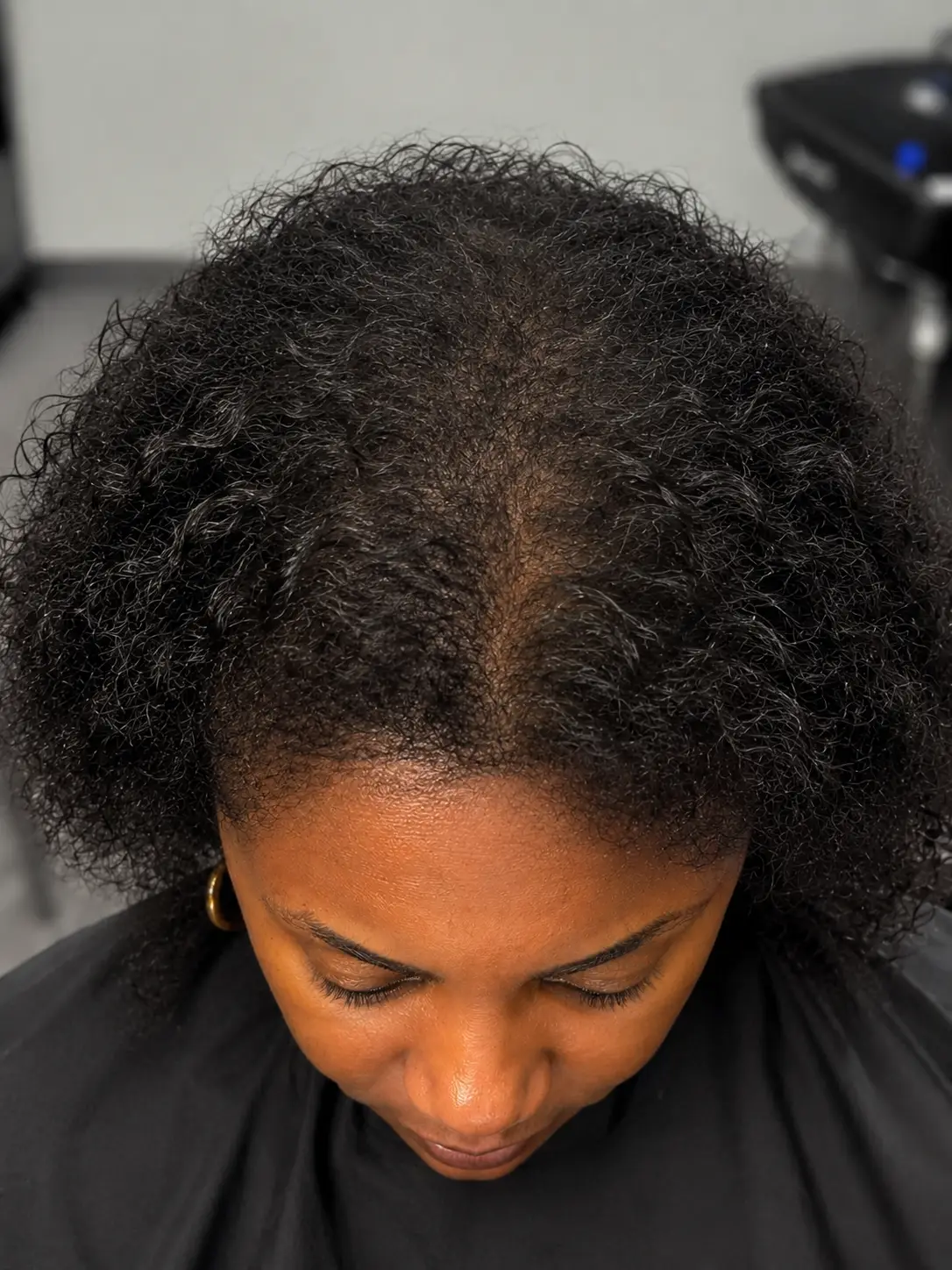
Your hair is telling you something. Let's find out what.
A 30-minute evaluation. A certified trichologist. A 200x trichoscopy scan of your scalp. And real answers before you leave the building. Your next step is $99 and one appointment away.