

Condition
Traction Alopecia Treatment: Trichologist-Led Hairline and Edge Restoration
Hair loss caused by tight hairstyles and chronic tension on the follicle.
Get your traction alopecia evaluatedOur Approach
How We Treat Traction Alopecia
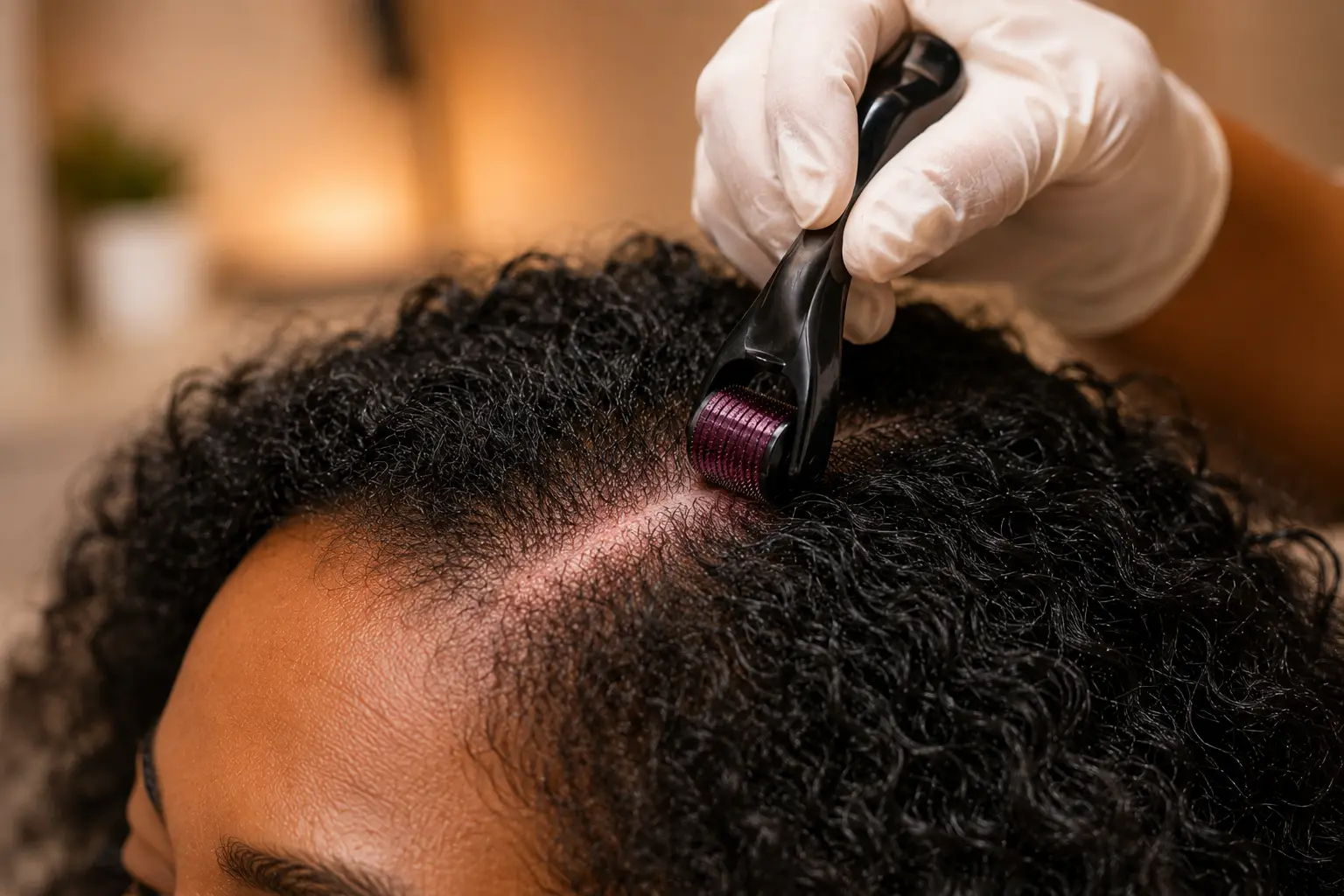
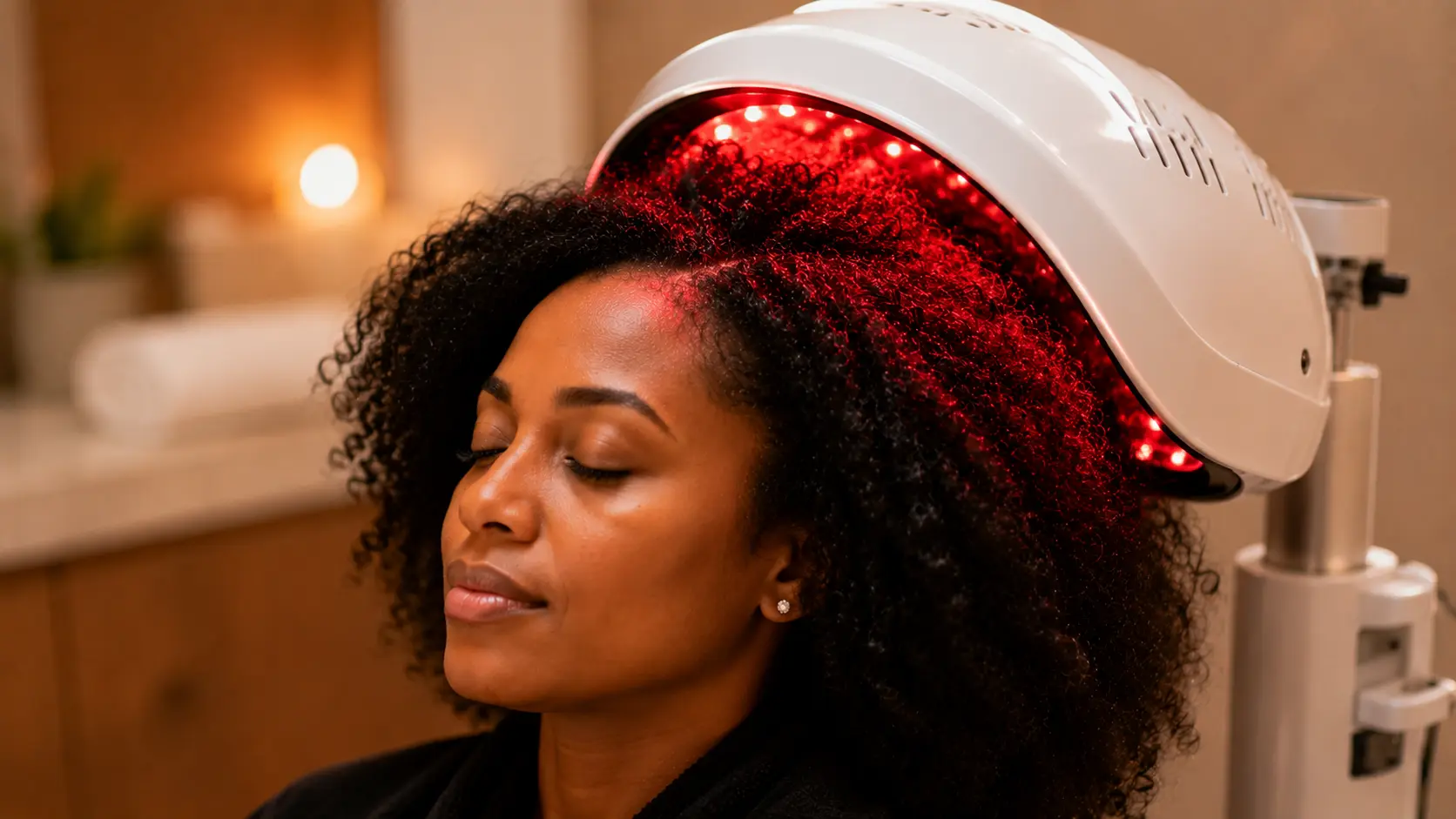
We begin with a comprehensive scalp analysis to assess follicle viability, then build a custom plan combining PRP, microneedling, low-level laser therapy and targeted topicals. We coach you through tension-free styling so the hair you regrow stays.
Explore our treatment methods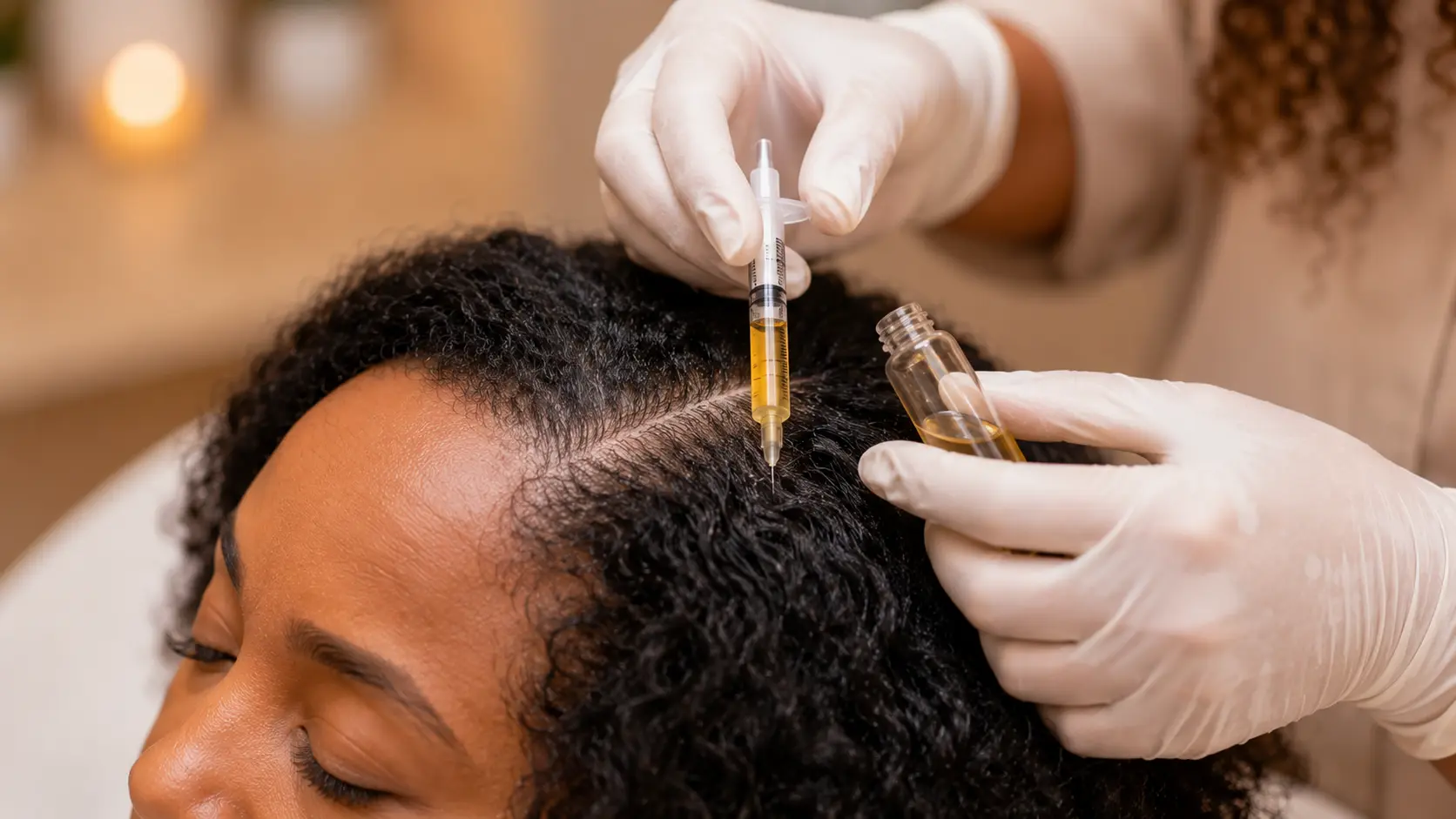
What Is Traction Alopecia?
Traction alopecia is hair loss caused by prolonged or repeated tension on the hair follicle. Hairstyles that pull tightly on the roots, including braids, cornrows, weaves, sew-ins, locs, tight ponytails, buns, and extensions, gradually damage the follicle anchor over time. The hair loss typically appears along the hairline, at the temples, above the ears, and around the nape of the neck, following the areas where tension is greatest. According to the Journal of the American Academy of Dermatology, traction alopecia affects up to one-third of women of African descent who wear tension-based styles, making it one of the most common forms of preventable hair loss. Early stage traction alopecia is fully reversible. When the tension continues and scarring develops around the follicle, the loss can become permanent.
At Atlanta Trichology, certified trichologists evaluate traction alopecia with trichoscopy, a 200x magnification scan that reveals what the naked eye cannot: whether the follicle is still alive, whether perifollicular scarring has begun, the degree of miniaturization in affected areas, and exactly how much recoverable density remains. This distinction between early-stage (reversible) and late-stage (scarred) traction alopecia is the single most important diagnostic question, and it requires imaging to answer accurately. Your trichologist uses this data to determine which areas can be restored, which need immediate intervention to prevent further loss, and which treatment combination will produce the strongest results.
Dr. Nina Ross designed the traction alopecia protocol at Atlanta Trichology to treat the follicle damage from the outside while supporting scalp health and recovery from the inside. Your certified trichologist focuses on follicle stimulation, inflammation reduction, and scalp restoration. Dr. Ross evaluates the internal factors that affect healing: nutrient status (especially ferritin, vitamin D, and zinc), inflammatory markers, thyroid function, and hormonal balance. Many women with traction alopecia also have overlapping nutritional deficiencies that slow follicle recovery. Addressing both layers produces faster, more durable results.
Evidence
Does Traction Alopecia Treatment Work?
Traction alopecia treatment works best when it starts early. The critical factor is whether the follicle has scarred. Early-stage traction alopecia, where follicles are weakened and miniaturized but the follicular unit is still intact, is highly treatable. Late-stage traction alopecia, where prolonged tension has caused perifollicular fibrosis (scarring around the follicle), is more difficult to reverse. This is why diagnostic imaging is essential before any treatment plan begins.
A 2019 study published in the Journal of Clinical and Aesthetic Dermatology found that PRP therapy produced statistically significant improvements in hair density in areas of traction-related thinning. Patients who received three PRP sessions over 12 weeks showed a measurable increase in follicle activity and hair count in treated zones compared to untreated control areas.
Research in Dermatologic Therapy demonstrated that combination therapy (PRP with microneedling) outperformed either treatment alone for non-scarring alopecia. The microneedling component increased PRP absorption by creating direct channels to the dermal papilla, while PRP provided the growth factors needed to reactivate follicle cycling. This combined approach aligns with the protocol used at Atlanta Trichology.
A 2021 retrospective study in the International Journal of Trichology found that trichoscopy-guided treatment planning improved clinical outcomes in traction alopecia patients by 35% compared to visual assessment alone. Trichoscopy identified early-stage miniaturization in areas that appeared normal under standard examination, allowing treatment to begin before the damage progressed to scarring. This supports the imaging-first approach used at Atlanta Trichology, where every patient begins with a trichoscopy baseline.
The functional medicine component is supported by multiple studies showing that iron deficiency (ferritin below 40 ng/mL) significantly impairs hair regrowth even when other treatments are applied. A 2013 study in the Journal of Korean Medical Science found that correcting ferritin levels improved treatment response rates in women with hair loss, regardless of the primary cause. For traction alopecia patients, nutritional optimization accelerates the recovery that scalp treatments initiate.
Investment
How Much Does Traction Alopecia Treatment Cost?
Traction alopecia treatment at Atlanta Trichology is priced per session within your personalized protocol. The cost depends on the stage of your hair loss, which treatments your trichologist recommends based on trichoscopy findings, and how many areas require treatment.
Nationally, in-clinic hair restoration treatments range from $200 to $1,500 per session. PRP for hair loss typically costs $500 to $1,500 per session at most clinics. Hair transplant surgery for traction alopecia, which some patients consider for late-stage scarring, costs $4,000 to $15,000. At Atlanta Trichology, the focus is on restoring follicle function through non-surgical treatments that are significantly more affordable than surgical options and effective for early to moderate-stage traction alopecia.
Most patients begin with biweekly sessions for the first 8 to 12 weeks, then transition to monthly maintenance as follicle activity increases. Package pricing is available and makes the ongoing investment more manageable than individual session rates.
Start with the $99 trichoscopy evaluation. Your certified trichologist scans the affected areas at 200x magnification, determines which follicles are still viable, documents the extent of thinning, and builds a treatment plan with transparent pricing before you commit to anything.
Timeline
Traction Alopecia Treatment: What to Expect
Results depend on the stage of traction alopecia, the degree of follicular scarring, how long the tension was applied, nutritional status, and consistency with treatment. Early-stage traction alopecia responds significantly faster than cases with established scarring. Your trichologist gives you an honest assessment of expected outcomes during the $99 evaluation.
Real Result
A case treated for Traction Alopecia
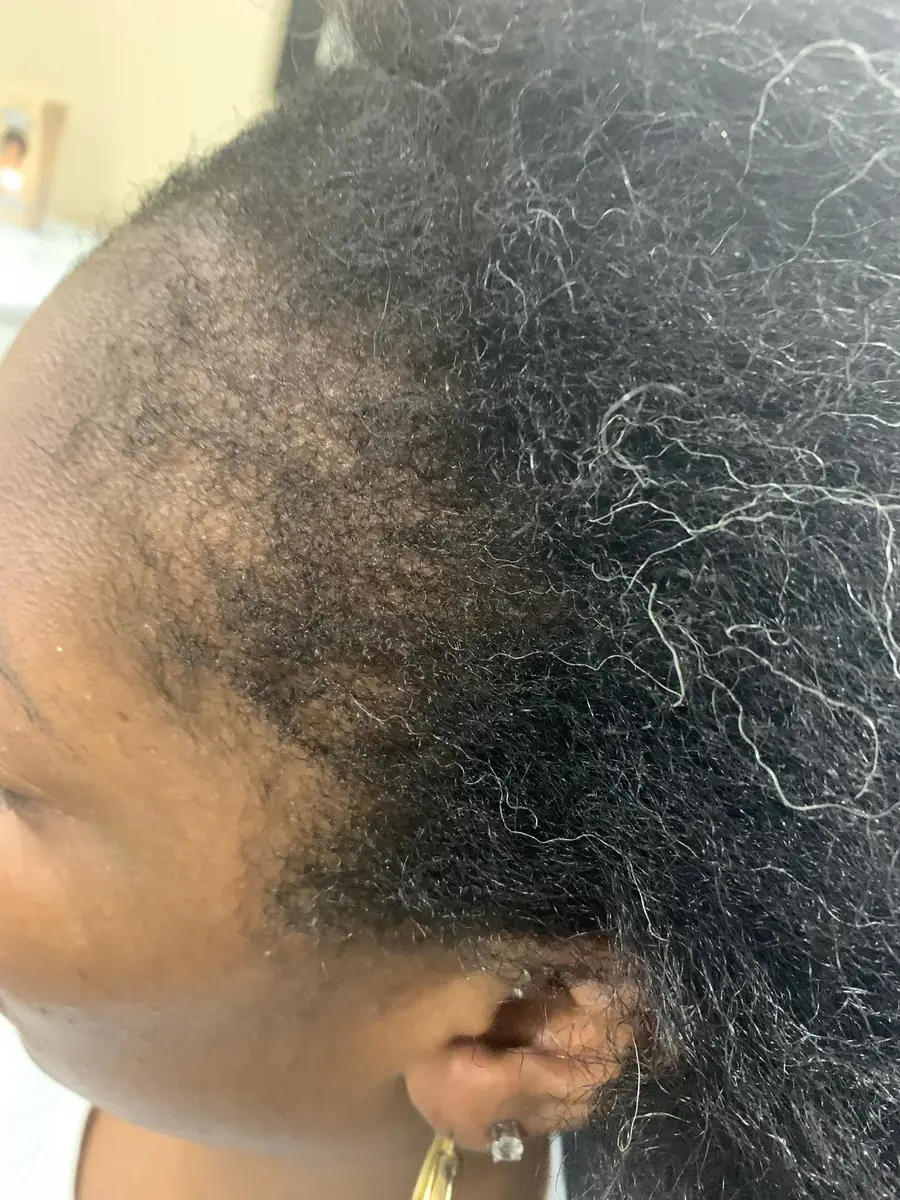 Before
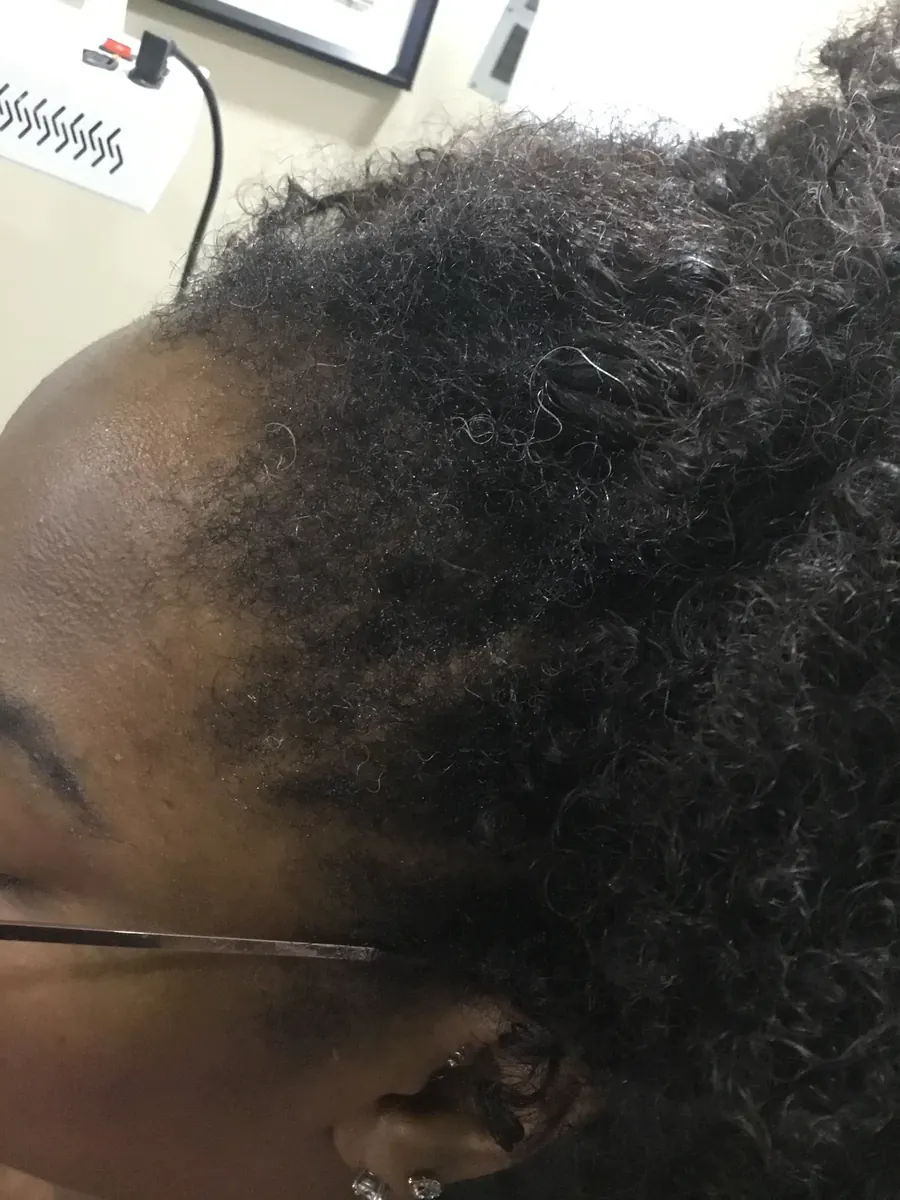 After
AfterCommon Questions
Frequently Asked Questions About Traction Alopecia
Related
You May Also Want To Read

Condition
Alopecia Areata
Autoimmune hair loss that appears as smooth, round patches on the scalp.
Read more
Condition
Central Centrifugal Cicatricial Alopecia (CCCA)
Scarring alopecia beginning at the crown, most common in Black women.
Read more
Condition
Female Hair Loss
Diffuse thinning across the crown and part line in women.
Read moreTreatment
Treatments for Traction Alopecia

Your hair is telling you something. Let's find out what.
A 30-minute evaluation. A certified trichologist. A 200x trichoscopy scan of your scalp. And real answers before you leave the building. Your next step is $99 and one appointment away.