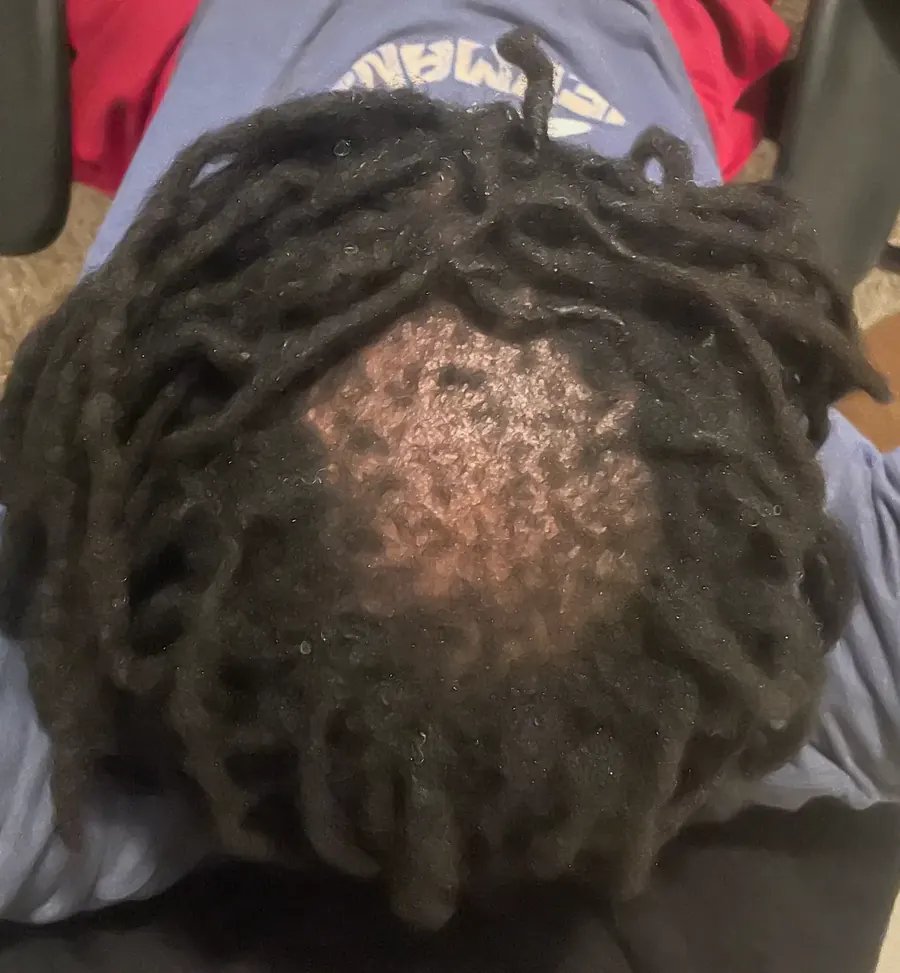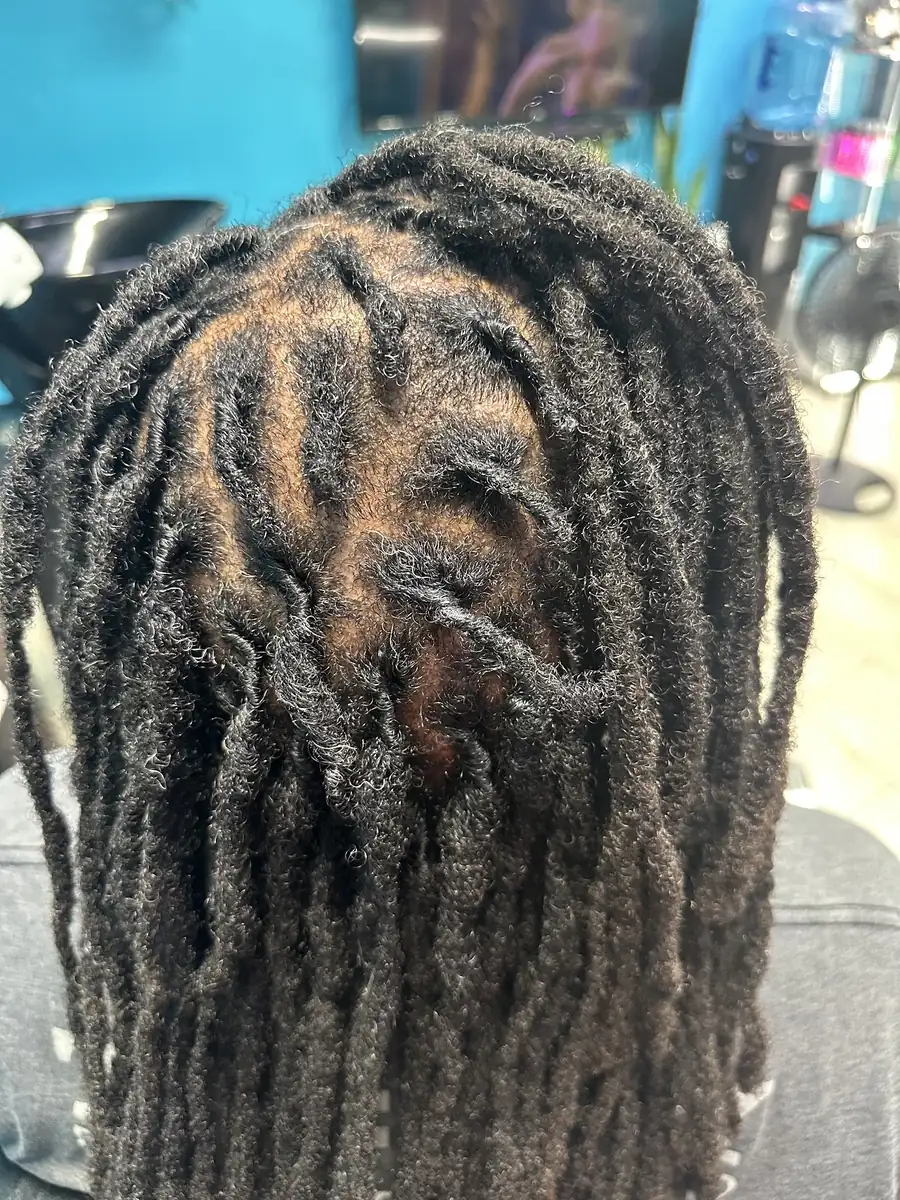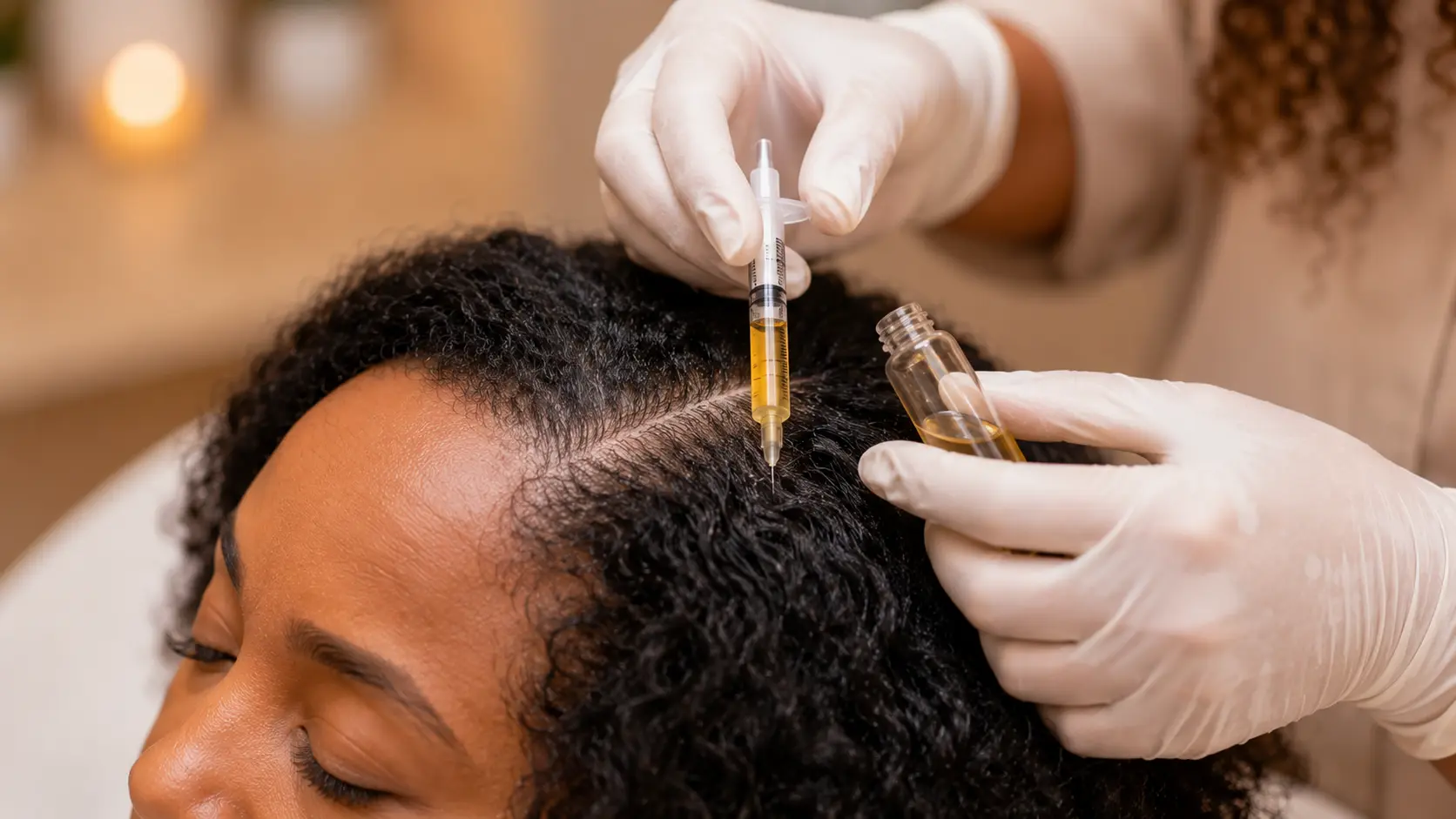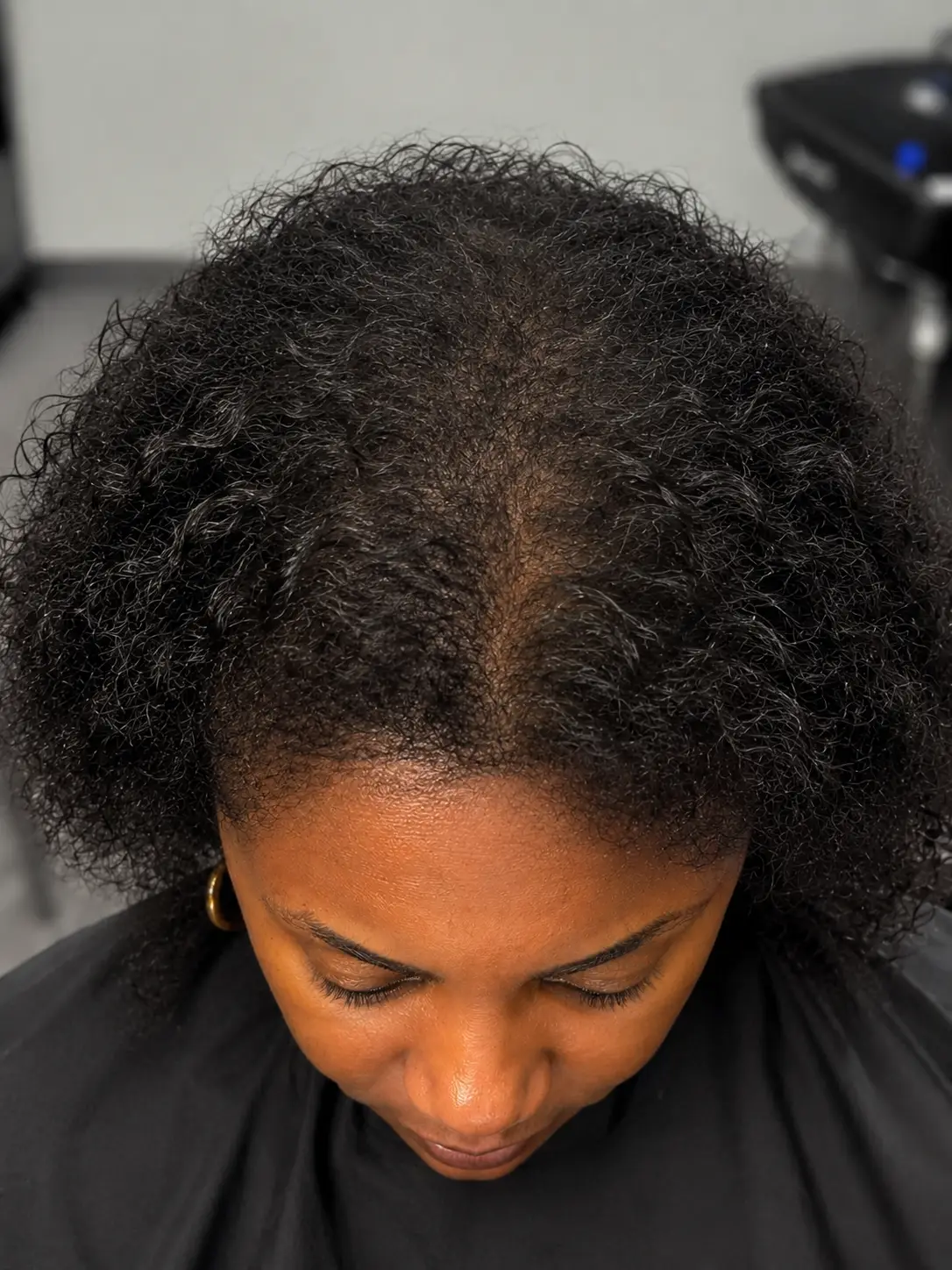

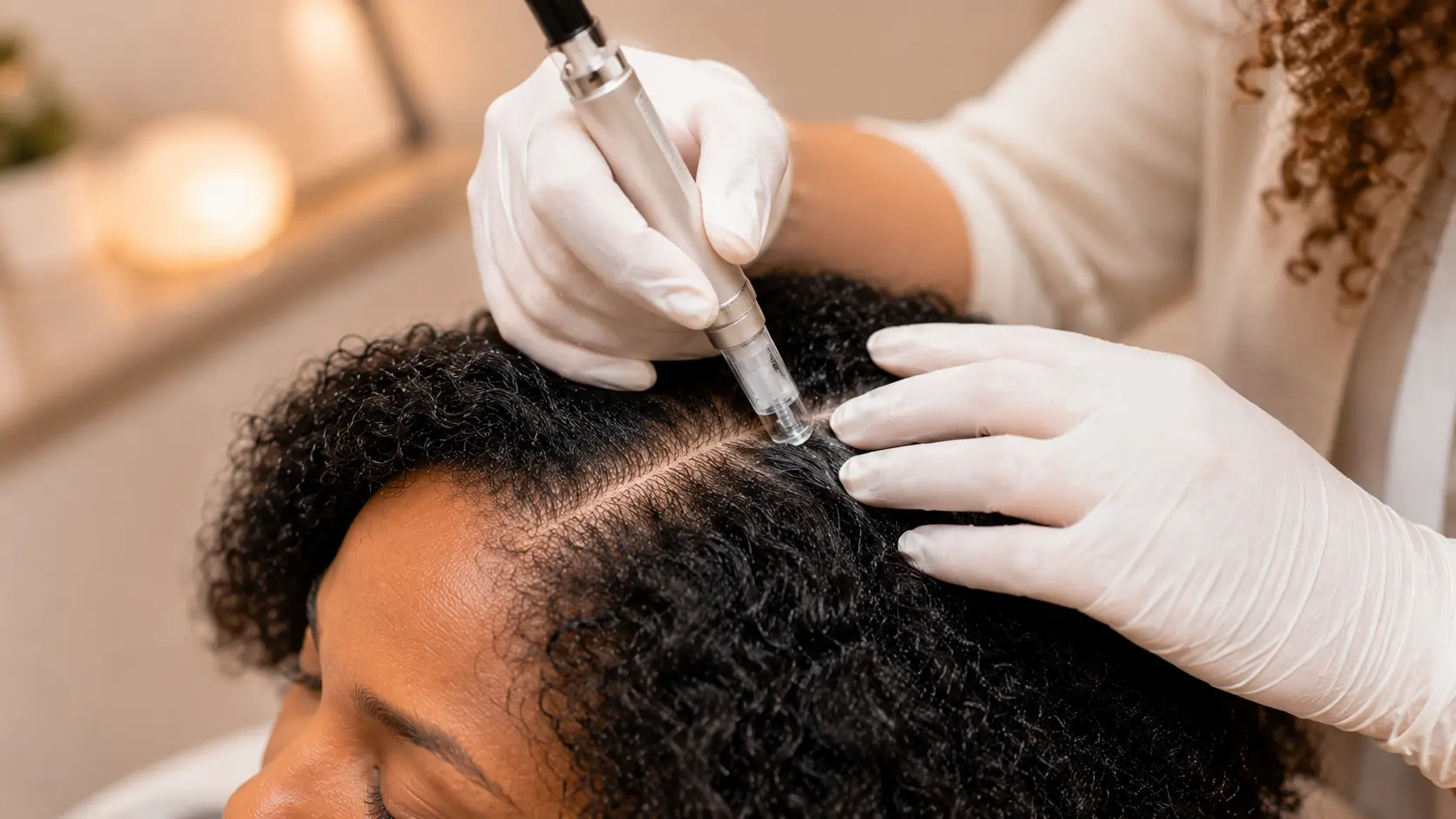
Certified trichologist using trichoscopy to examine alopecia areata patches on a patient's scalp at Atlanta Trichology in Sandy Springs GA
Fig. 01 · Alopecia Areata

Alopecia Areata: Trichological Scalp Support for Autoimmune Hair Loss

Autoimmune hair loss that appears as smooth, round patches on the scalp.

Get a Professional Scalp Assessment for Alopecia Areata

Signs to Watch For

  • Round or oval smooth bald patches

  • Sudden onset of shedding

  • Tingling or itching before patches appear

  • Nail pitting or ridging

  • Patches that may regrow and recur

How We Treat Alopecia Areata

We pair functional medicine, looking at gut health, thyroid markers and inflammatory triggers, with in-clinic treatments like exosomes, mesotherapy and biostimulation to calm the immune response and signal follicles back into growth.

Explore our treatment methods

Understanding Alopecia Areata Through a Trichological Lens

Alopecia areata is an autoimmune condition where the immune system attacks hair follicles, producing sudden round patches of hair loss that can appear anywhere on the scalp. The condition affects roughly 2% of the global population at some point in their lives, and its unpredictable pattern of loss and regrowth makes professional monitoring essential for informed treatment decisions.

Atlanta Trichology provides complete, in-house care for alopecia areata. Our certified trichologists use trichoscopy to identify diagnostic markers like exclamation point hairs, yellow dots, and black dots that confirm the diagnosis and track disease activity. This detailed follicular assessment reveals whether patches are actively spreading, stabilizing, or showing early regrowth signs. Dr. Nina Ross oversees immune-related treatment decisions, and our certified trichologists deliver targeted scalp therapies that support follicular recovery, all under one roof.

Alopecia Areata Scalp Treatment Protocol

Each therapy supports follicular recovery and scalp health during and after autoimmune flares, working alongside any immunological treatment your physician prescribes.

Atlanta Trichology's alopecia areata protocol is a complete, Practitioner-Led plan. Dr. Nina Ross oversees the immune-related side of care while addressing scalp health at the follicular level, all in-house.

The Science of Alopecia Areata and Trichological Support

Alopecia areata is classified as a T-cell-mediated autoimmune condition. Research published in the Journal of Clinical Investigation established that CD8+ T lymphocytes attack the hair follicle bulb during the anagen growth phase, collapsing the immune privilege that normally protects growing follicles. This mechanism distinguishes alopecia areata from every other form of hair loss and explains its sudden onset pattern.

Trichoscopy has become the gold-standard diagnostic tool for alopecia areata. A systematic review in the Journal of the American Academy of Dermatology identified exclamation point hairs, black dots, yellow dots, and broken hairs as trichoscopic markers with over 90% diagnostic specificity. These markers allow certified trichologists to confirm the diagnosis without biopsy and to distinguish alopecia areata from conditions like tinea capitis, trichotillomania, and androgenetic alopecia that can mimic its appearance.

PRP efficacy in alopecia areata has been validated in multiple controlled studies. A meta-analysis in the Journal of Cosmetic Dermatology found that PRP injections produced statistically significant hair regrowth compared to placebo, with response rates between 50% and 75% depending on disease severity and duration. The growth factors in PRP appear to create a pro-regenerative microenvironment that supports follicular recovery even during ongoing autoimmune activity.

Low-level laser therapy has demonstrated measurable benefits for alopecia areata in peer-reviewed trials. Research in Lasers in Medical Science showed that LLRT reduced inflammatory markers around affected follicles while upregulating growth factor expression. The combination of anti-inflammatory and pro-growth effects makes LLRT particularly suited to autoimmune hair loss, where both pathways are disrupted simultaneously.

Atlanta Trichology integrates these evidence-based approaches into one structured protocol. Dr. Nina Ross designed the framework and oversees the full picture, from the scalp environment to the follicular health dimensions that surface-level care often misses.

Alopecia Areata Assessment and Treatment Cost

Your scalp evaluation starts at $99 and includes a 45-minute trichoscopy session where a certified trichologist maps active patches, identifies trichoscopic markers (exclamation point hairs, yellow dots, black dots), and assesses regrowth activity across all affected areas. This diagnostic baseline provides the detailed follicular information that guides both trichological support and communication with your medical provider.

Supportive treatment sessions for alopecia areata typically range from $200 to $500 depending on the combination of therapies and the extent of affected scalp area. Mild cases with limited patchy involvement may respond to 6 to 8 sessions. Extensive alopecia areata or cases progressing toward alopecia totalis often benefit from 10 to 16 sessions of intensive follicular support.

Atlanta Trichology offers payment plans and packages that reduce per-session cost for multi-visit protocols. Call (678) 561-4522 to discuss pricing for your situation.

Alopecia Areata Support and Recovery Timeline

  1. 01

    Weeks 1 through 4

    Comprehensive trichoscopic assessment maps all patches, identifies active versus stable areas, and documents baseline trichoscopic markers. Initial LLRT and scalp masking sessions begin to calm perifollicular inflammation and support the scalp environment. Dr. Nina Ross reviews your findings and folds them directly into your treatment plan here.

  2. 02

    Months 2 through 3

    PRP or mesotherapy sessions target patches showing the most autoimmune activity. Follow-up trichoscopy tracks changes in marker density. Early responders may see vellus regrowth appearing as fine, light-colored hairs within stable patches. Active spreading, if present, is monitored closely.

  3. 03

    Months 4 through 6

    Regrowth signs become more apparent in responding patches: vellus hairs darken and thicken as follicles re-enter full anagen. Trichoscopic comparison images document recovery trajectory. Treatment frequency may adjust based on individual response and disease stability.

  4. 04

    Months 7 through 12

    Terminal hair regrowth matures in responding areas. Maintenance sessions shift to monitoring and preventive support. Trichoscopy continues to screen for new patch activity, catching any recurrence early when intervention is most effective.

Alopecia areata is unpredictable by nature. Some patients experience complete regrowth within months; others have a longer course. Trichological monitoring provides the data to adjust your protocol as the condition evolves.

Alopecia Areata Care: Trichology vs. Other Approaches

Feature
Trichoscopic diagnosis
Yes, detailed marker mapping
Exclamation point hair identification
Documented and tracked
Regrowth monitoring
Trichoscopic comparison each visit
Scalp-level treatment
LLRT, PRP, microneedling, mesotherapy
Immune system management
Dr. Nina Ross oversees in-house
Follicular health support
Core focus of every session
Disease activity tracking
Quantified trichoscopic markers
Full care under one roof
practitioner and trichologist, same visit
AT Trichology Protocol
Trichoscopic diagnosis
Sometimes available
Exclamation point hair identification
Visual inspection
Regrowth monitoring
Visual assessment at appointments
Scalp-level treatment
Topical steroids, JAK inhibitors
Immune system management
Primary focus
Follicular health support
Secondary consideration
Disease activity tracking
Clinical observation
Full care under one roof
Primary medical provider
Dermatologist (Rx Focus)
Trichoscopic diagnosis
No
Exclamation point hair identification
Not possible at home
Regrowth monitoring
Self-observation only
Scalp-level treatment
OTC products
Immune system management
Not addressed
Follicular health support
Not addressed
Disease activity tracking
No tracking
Full care under one roof
No practitioner oversight
No Professional Treatment
Trichoscopic diagnosis
Exclamation point hair identification
Regrowth monitoring
Scalp-level treatment
Immune system management
Follicular health support
Disease activity tracking
Full care under one roof

Swipe to compare · 4 options

Trichological care for alopecia areata is complementary, not a replacement for medical management. The strongest outcomes come from medical and trichological providers working in parallel.

A case treated for Alopecia Areata

Scalp showing round alopecia areata patches with exclamation point hairs visible at patch margins before trichology treatmentBefore
Same scalp area showing vellus and terminal hair regrowth within previously bare alopecia areata patches after Atlanta Trichology protocolAfter

Case B

Condition
Alopecia Areata
Duration
22 weeks
Therapy
Immune-directed protocol + Scalp therapy
See all results

Alopecia Areata FAQ

What causes alopecia areata?

Alopecia areata is caused by the immune system mistakenly attacking hair follicles. Specifically, CD8+ T lymphocytes breach the immune privilege that normally protects growing follicles during the anagen phase, causing the hair shaft to detach and the follicle to shrink. The trigger for this autoimmune response varies: genetic predisposition accounts for roughly 20% of cases (family history), while environmental factors including viral infections, severe stress, and hormonal shifts can initiate flares in susceptible individuals. Alopecia areata often coexists with other autoimmune conditions like thyroid disease, vitiligo, and atopic dermatitis. Atlanta Trichology's trichoscopic evaluation identifies the specific markers of your condition, providing diagnostic clarity and a baseline for tracking whether the autoimmune activity is progressing, stabilizing, or resolving.

How do you stop alopecia areata from spreading?

Stopping alopecia areata from spreading requires addressing both the autoimmune activity and the follicular environment. On the medical side, dermatologists may prescribe corticosteroid injections, topical immunotherapy, or JAK inhibitors to suppress the immune attack on follicles. On the trichological side, Atlanta Trichology supports the scalp environment with therapies like LLRT and PRP that reduce perifollicular inflammation, deliver growth factors to vulnerable follicles, and create conditions that favor hair retention over loss. Trichoscopic monitoring plays a critical role: exclamation point hairs at patch margins indicate active spreading, while the disappearance of these markers signals stabilization. Regular trichoscopy catches new activity early, often before visible patch expansion occurs. The combination of medical immune management and trichological follicular support provides the most comprehensive approach to limiting spread.

What are alopecia areata regrowth signs?

Alopecia areata regrowth signs follow a predictable sequence visible under trichoscopy before they become obvious to the eye. The earliest indicator is the appearance of fine vellus hairs (short, thin, often unpigmented) emerging within previously bare patches. Under trichoscopy, your trichologist will also look for upright regrowing hairs, a decrease in yellow dots (which indicate empty follicles), and the absence of exclamation point hairs at patch borders. As regrowth progresses, vellus hairs darken and thicken into terminal hairs, though initial regrowth may appear lighter or white before the follicle's melanocytes resume pigment production. Atlanta Trichology documents these changes with trichoscopic comparison images at every visit, providing measurable evidence of recovery that informs treatment adjustments.

Is alopecia areata permanent?

Alopecia areata is not necessarily permanent. The majority of patients with limited patchy alopecia areata experience spontaneous regrowth within 12 months, even without treatment. However, the condition is recurrent in over 50% of cases, and some patients progress to alopecia totalis (complete scalp loss) or alopecia universalis (complete body hair loss), which have lower spontaneous recovery rates. Factors associated with a more challenging course include onset before puberty, extensive involvement, duration beyond two years, and the presence of nail changes. Trichoscopic assessment at Atlanta Trichology evaluates these prognostic indicators and monitors follicular viability over time. Even in long-standing cases, follicles are preserved (not destroyed as in scarring alopecias), which means regrowth potential persists. Supportive scalp therapies maintain follicular health during dormant periods.

What is diffuse alopecia areata?

Diffuse alopecia areata (also called alopecia areata incognita) is a variant where hair loss occurs evenly across the scalp rather than in distinct round patches. This presentation is frequently misdiagnosed as telogen effluvium or androgenetic alopecia because it lacks the characteristic bald spots most people associate with alopecia areata. Trichoscopy is essential for accurate diagnosis: diffuse alopecia areata shows the same yellow dots, exclamation point hairs, and short regrowing hairs as classic patchy alopecia areata, just distributed across a wider area. The distinction matters because treatment approaches differ significantly. Atlanta Trichology's certified trichologists are trained to identify the trichoscopic signatures that separate diffuse alopecia areata from other causes of generalized thinning, ensuring you receive the correct diagnosis and the most appropriate treatment protocol.

Can stress cause alopecia areata?

Stress can trigger alopecia areata flares in individuals with genetic susceptibility. Research has documented that severe emotional or physical stress activates the hypothalamic-pituitary-adrenal axis, increasing cortisol and inflammatory cytokines that can disrupt follicular immune privilege. Major life events, illness, surgery, and chronic psychological stress have all been associated with new-onset alopecia areata and recurrence of previously resolved patches. However, stress alone does not cause alopecia areata; the underlying autoimmune predisposition must be present. Atlanta Trichology's comprehensive evaluation considers stress history alongside trichoscopic findings. When stress appears to be a contributing factor, our trichologists factor scalp stress markers into your treatment protocol and may recommend complementary approaches that address the cortisol-inflammation pathway alongside direct follicular support.

What is the difference between alopecia areata and androgenetic alopecia?

Alopecia areata and androgenetic alopecia have fundamentally different causes and patterns. Alopecia areata is autoimmune: the immune system attacks specific follicles, producing sudden round bald patches with well-defined borders. Androgenetic alopecia is hormonal: DHT gradually miniaturizes follicles in genetically sensitive areas, producing progressive diffuse thinning. Under trichoscopy, the markers are distinct. Alopecia areata shows exclamation point hairs, yellow dots, and black dots. Androgenetic alopecia shows hair diameter diversity, vellus hair increase, and peripilar signs. The distinction is critical because treatments differ entirely. JAK inhibitors and corticosteroids address alopecia areata; anti-androgen approaches address androgenetic alopecia. Some patients have both conditions simultaneously. Trichoscopy at Atlanta Trichology differentiates and identifies concurrent conditions within the initial $99 assessment.

What are exclamation point hairs?

Exclamation point hairs are a hallmark diagnostic sign of active alopecia areata. These are short (2 to 3mm) broken hair shafts that taper from a normal-width tip down to a narrowed, weakened base at the scalp surface, resembling an exclamation mark. They form when the autoimmune attack damages the follicle mid-growth, causing the newly forming hair shaft to become progressively thinner until it breaks. Under trichoscopy at Atlanta Trichology, exclamation point hairs are clearly visible at the margins of active alopecia areata patches. Their presence indicates ongoing disease activity, while their disappearance signals that the autoimmune attack in that area has subsided. Trichologists use exclamation point hair density as one of several quantified markers to track whether your condition is active, stabilizing, or entering remission, making them valuable for treatment timing decisions.

BEGIN

Your hair is telling you something. Let's find out what.

A 30-minute evaluation. A certified trichologist. A 200x trichoscopy scan of your scalp. And real answers before you leave the building. Your next step is $99 and one appointment away.