

Condition
CCCA: Trichologist-Led Treatment for Central Centrifugal Cicatricial Alopecia
Scarring alopecia beginning at the crown, most common in Black women.
Get your CCCA evaluatedOur Approach
How We Treat Central Centrifugal Cicatricial Alopecia (CCCA)
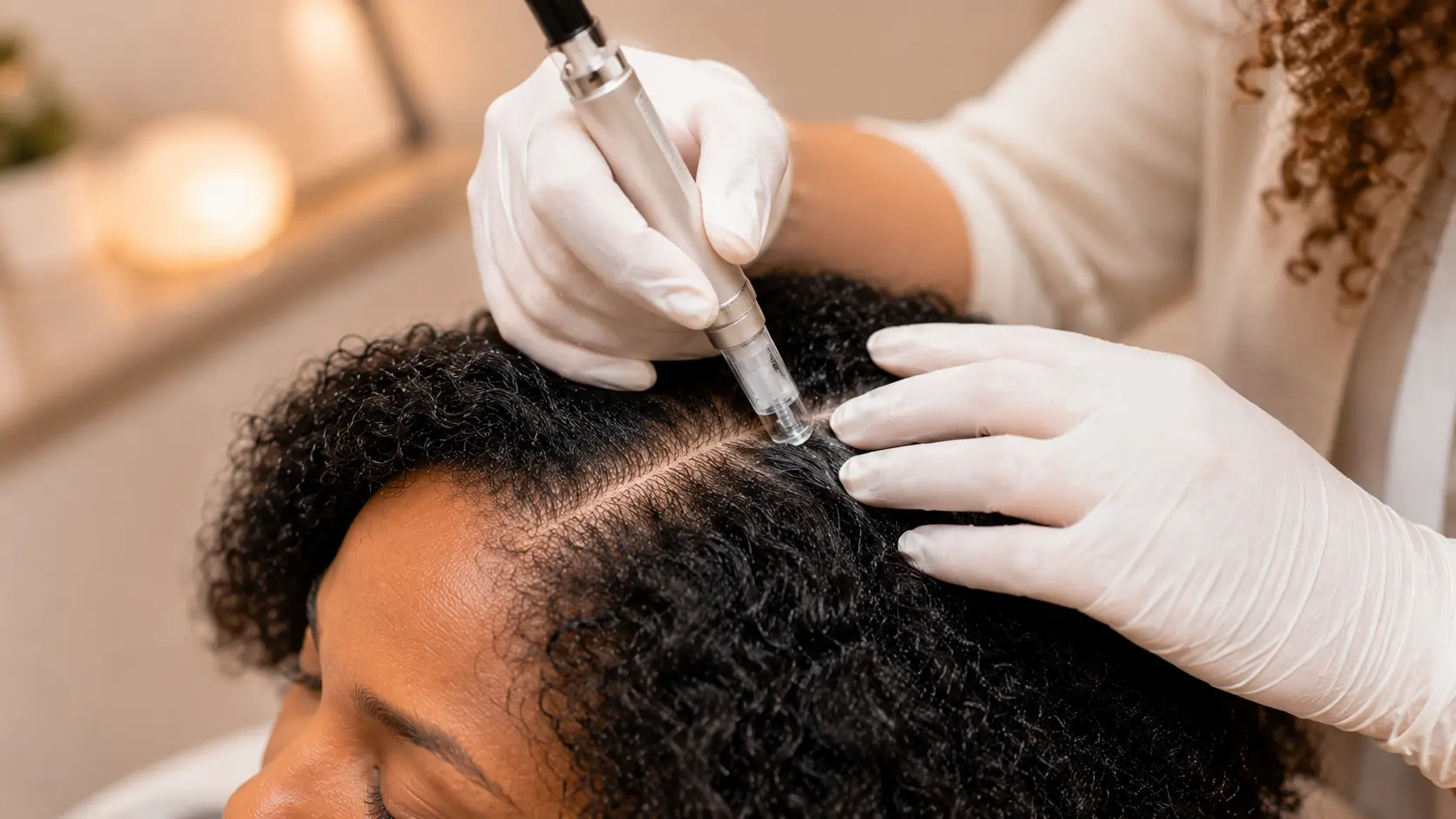
Treatment focuses on two goals: stop the inflammation and save the follicles that are still alive. Our team combines PRP injections, exosome therapy, laser therapy, and anti-inflammatory scalp treatments. Dr. Nina Ross reviews your bloodwork to identify internal contributors like inflammation markers and hormonal imbalances. Everything happens under one roof. We monitor your progress with serial trichoscopy imaging at every visit, so the treatment plan adjusts in real time as your scalp responds.
Explore our treatment methods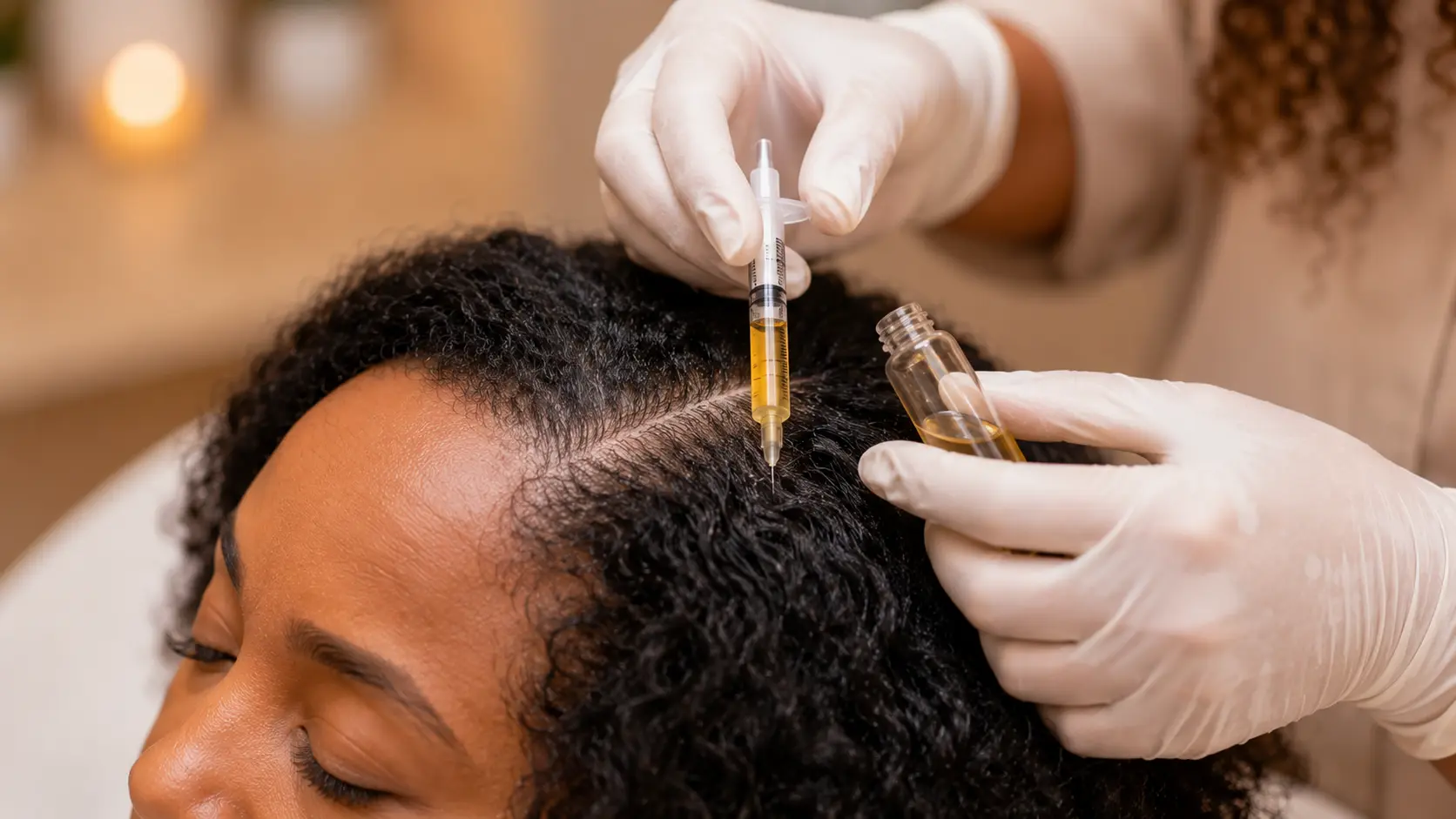

What Is CCCA?
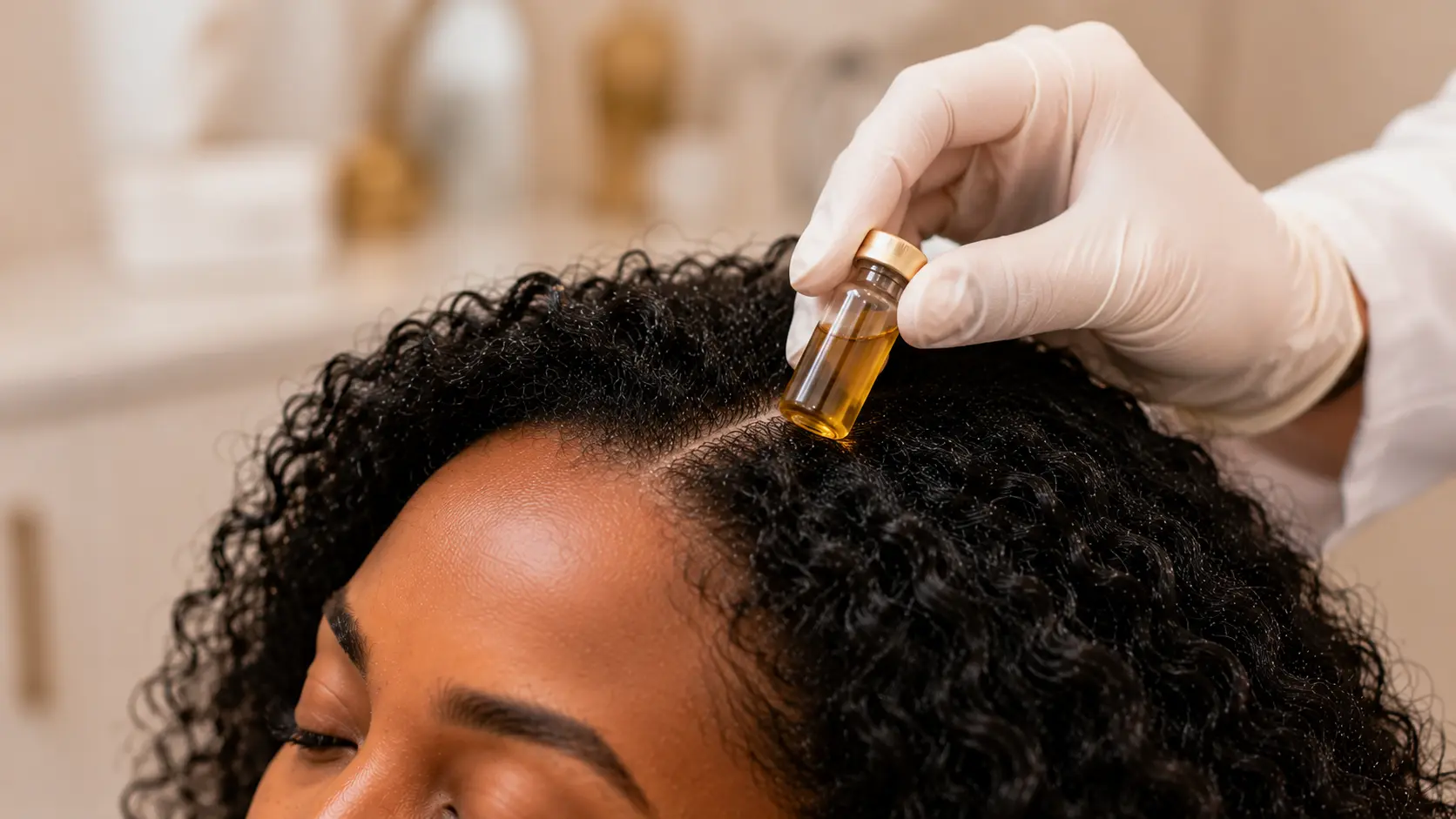
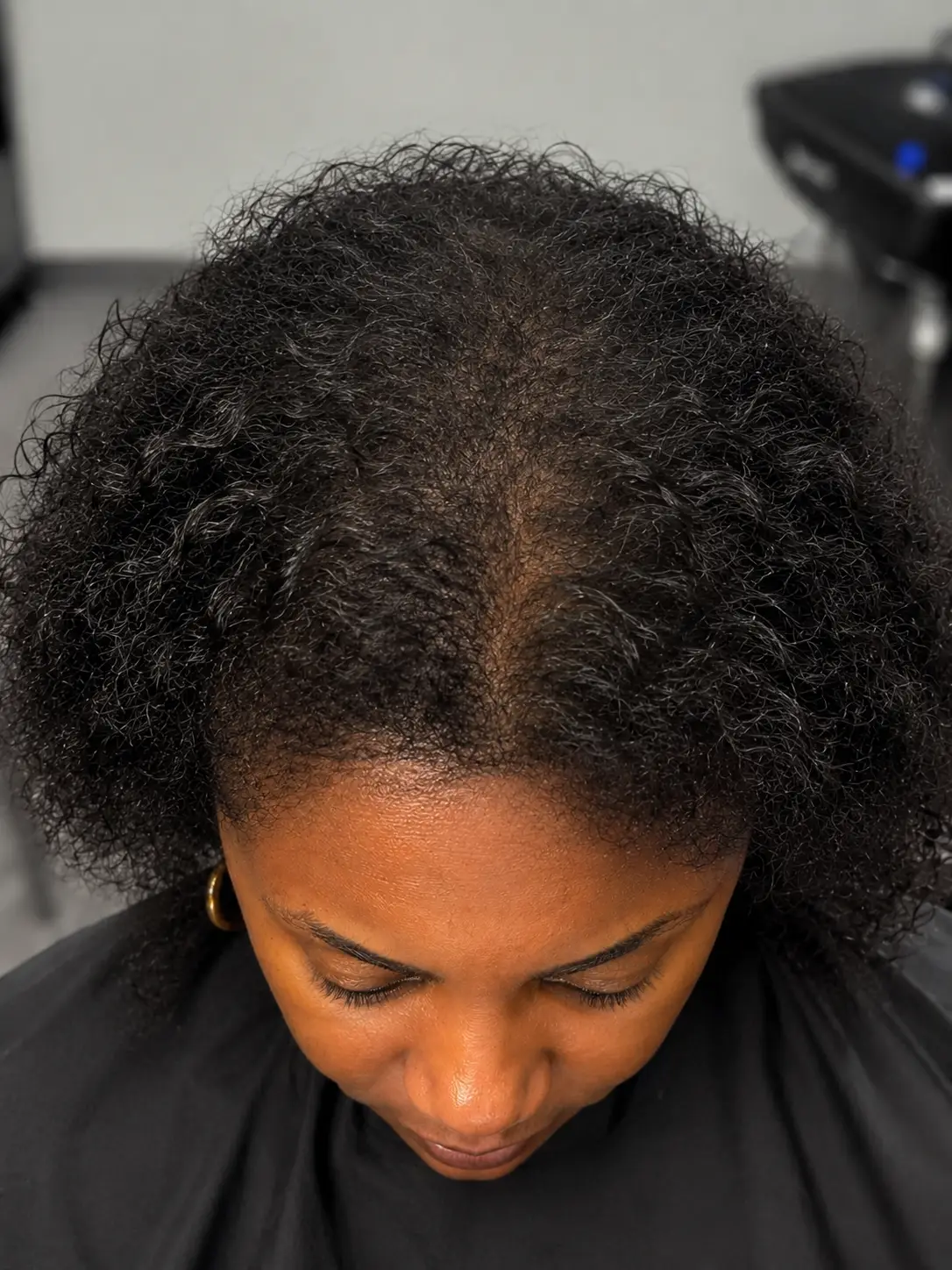
Central centrifugal cicatricial alopecia (CCCA) is the most common form of scarring hair loss in women of African descent, affecting up to 17% of this population. The condition starts at the crown and spreads outward as chronic inflammation destroys hair follicles permanently. A variant in the PADI3 gene is a known risk factor, though environmental triggers and styling practices can accelerate progression. CCCA is frequently misidentified as relaxer damage or normal thinning, which delays diagnosis and allows further scarring. Trichoscopy at 200x magnification detects the hallmark peripilar grey-white halos before visible thinning appears, making early detection possible. At Atlanta Trichology, Dr. Nina Ross (practitioner) designs individualized protocols combining PRP, exosome therapy, laser therapy, and anti-inflammatory treatments. Certified trichologists perform every evaluation and track progress with serial imaging. The $99 trichoscopy evaluation identifies the stage of CCCA and maps the treatment plan in a single 45-minute visit. (678) 561-4522.
At Atlanta Trichology, certified trichologists evaluate CCCA with trichoscopy, a 200x magnification scan that reveals the diagnostic hallmarks of the condition: premature desquamation of the inner root sheath (a structural breakdown visible before major hair loss occurs), perifollicular erythema, loss of follicular openings in scarred zones, and the boundary between active disease and already-scarred scalp. Trichoscopy is the most important diagnostic step for CCCA because it distinguishes CCCA from other causes of crown thinning (androgenetic alopecia, telogen effluvium) and identifies exactly how much active inflammation versus established scarring exists. This determines what can be preserved and what treatment approach will be most effective.
Dr. Nina Ross designed the CCCA protocol at Atlanta Trichology to halt the inflammatory process destroying follicles while addressing the internal factors that may be fueling the immune response. Your certified trichologist manages the scalp surface with anti-inflammatory treatments and follicle-protective therapies. Dr. Ross evaluates the systemic contributors: inflammatory markers, autoimmune panels, hormonal balance, thyroid function, gut health, and nutrient status. CCCA is a condition where every month of uncontrolled inflammation means permanent follicle loss. The urgency of early, comprehensive treatment cannot be overstated.
Evidence
Does CCCA Treatment Work?
There is no cure for CCCA. The clinical goal is to halt the inflammatory process, achieve disease quiescence (a state where active inflammation stops and no further follicle loss occurs), and preserve the maximum amount of remaining hair density. Hair that has already been lost to scarring cannot regrow from those specific follicles. Treatment success is measured by stopping progression and protecting what remains.
A 2019 study in the Journal of the American Academy of Dermatology found that early intervention in CCCA significantly improved outcomes. Patients diagnosed and treated in the early stages of the disease retained substantially more hair density at 2-year follow-up compared to patients who began treatment after significant scarring had already developed. The researchers emphasized that delayed diagnosis is the primary barrier to better outcomes.
Research published in the British Journal of Dermatology demonstrated that trichoscopy detected CCCA-related changes (premature desquamation of the inner root sheath, loss of follicular openings) in patients who had not yet developed clinically visible hair loss. This supports the use of trichoscopy as an early screening tool, particularly for women with a family history of crown thinning or CCCA.
A 2020 study in Dermatologic Therapy found that combination anti-inflammatory therapy produced significantly better disease control in CCCA than single-agent treatment. Patients receiving multimodal protocols (topical anti-inflammatory treatment combined with phototherapy and systemic management) achieved longer periods of quiescence and reported improved quality-of-life scores.
The systemic connection between CCCA and metabolic health is well-documented. A landmark 2018 study in JAMA Dermatology found that women with CCCA had significantly higher rates of uterine fibroids and type 2 diabetes compared to controls. This systemic inflammatory link supports the functional medicine approach used at Atlanta Trichology, where Dr. Nina Ross evaluates metabolic and inflammatory markers alongside scalp treatment.
Investment
How Much Does CCCA Treatment Cost?
CCCA treatment at Atlanta Trichology is priced per session within your personalized protocol. The cost depends on the stage of your disease, which treatments your trichologist recommends based on trichoscopy, and whether the protocol includes functional medicine evaluation from Dr. Ross.
Nationally, dermatologist-managed CCCA treatment typically involves long-term anti-inflammatory medications (doxycycline, hydroxychloroquine, or topical steroids) costing $30 to $200 per month plus monitoring visits. Intralesional steroid injections cost $100 to $500 per session. At Atlanta Trichology, the protocol focuses on non-pharmacological anti-inflammatory approaches and functional medicine that complement or, in some cases, reduce the need for ongoing medication.
Because CCCA requires sustained management to maintain quiescence, most patients begin with weekly or biweekly sessions during the active treatment phase and transition to monthly maintenance once disease control is established. Package pricing makes the long-term commitment more affordable.
Start with the $99 trichoscopy evaluation. Your certified trichologist scans the crown and surrounding areas at 200x magnification, stages the extent of active disease versus established scarring, and builds a treatment plan with clear pricing before you commit to anything.
Timeline
CCCA Treatment: What to Expect
CCCA is a chronic condition that requires sustained management. Treatment response depends on the stage at diagnosis, the extent of existing scarring, systemic health factors, and consistency with both the in-clinic protocol and internal medicine. The earlier treatment begins, the more hair can be preserved. Your trichologist provides an honest prognosis based on your trichoscopy findings.
Real Result
A case treated for Central Centrifugal Cicatricial Alopecia (CCCA)
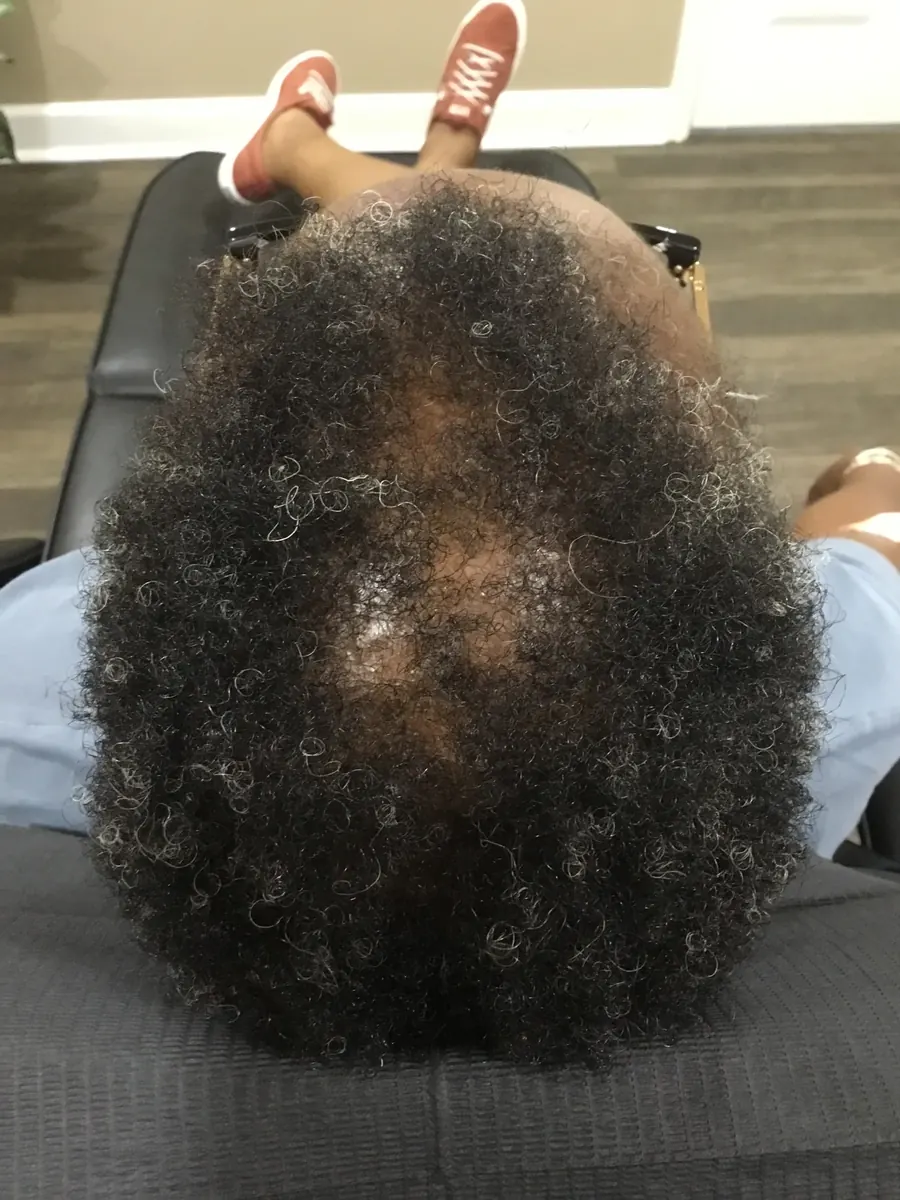 Before
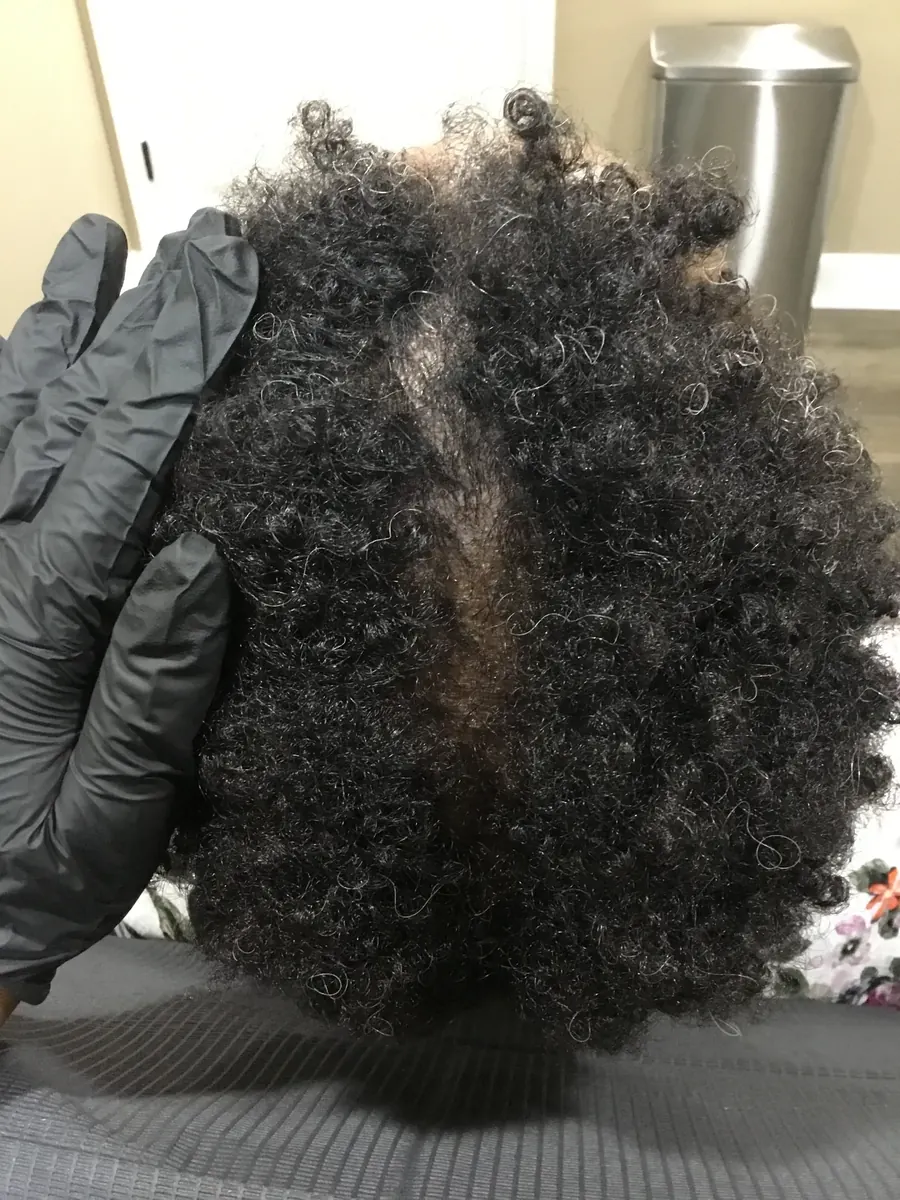 After
AfterCommon Questions
Frequently Asked Questions About CCCA
Related
You May Also Want To Read

Condition
Traction Alopecia
Hair loss caused by tight hairstyles and chronic tension on the follicle.
Read more
Condition
Alopecia Areata
Autoimmune hair loss that appears as smooth, round patches on the scalp.
Read more
Condition
Female Hair Loss
Diffuse thinning across the crown and part line in women.
Read moreTreatment
Treatments for Central Centrifugal Cicatricial Alopecia (CCCA)
Your hair is telling you something. Let's find out what.
A 30-minute evaluation. A certified trichologist. A 200x trichoscopy scan of your scalp. And real answers before you leave the building. Your next step is $99 and one appointment away.