

Condition
Hormonal Hair Loss: Trichologist and Functional Medicine Treatment for Women
Shedding triggered by thyroid, estrogen, testosterone or cortisol imbalances.
Book your hormonal hair evaluationOur Approach
How We Treat Hormonal Hair Loss
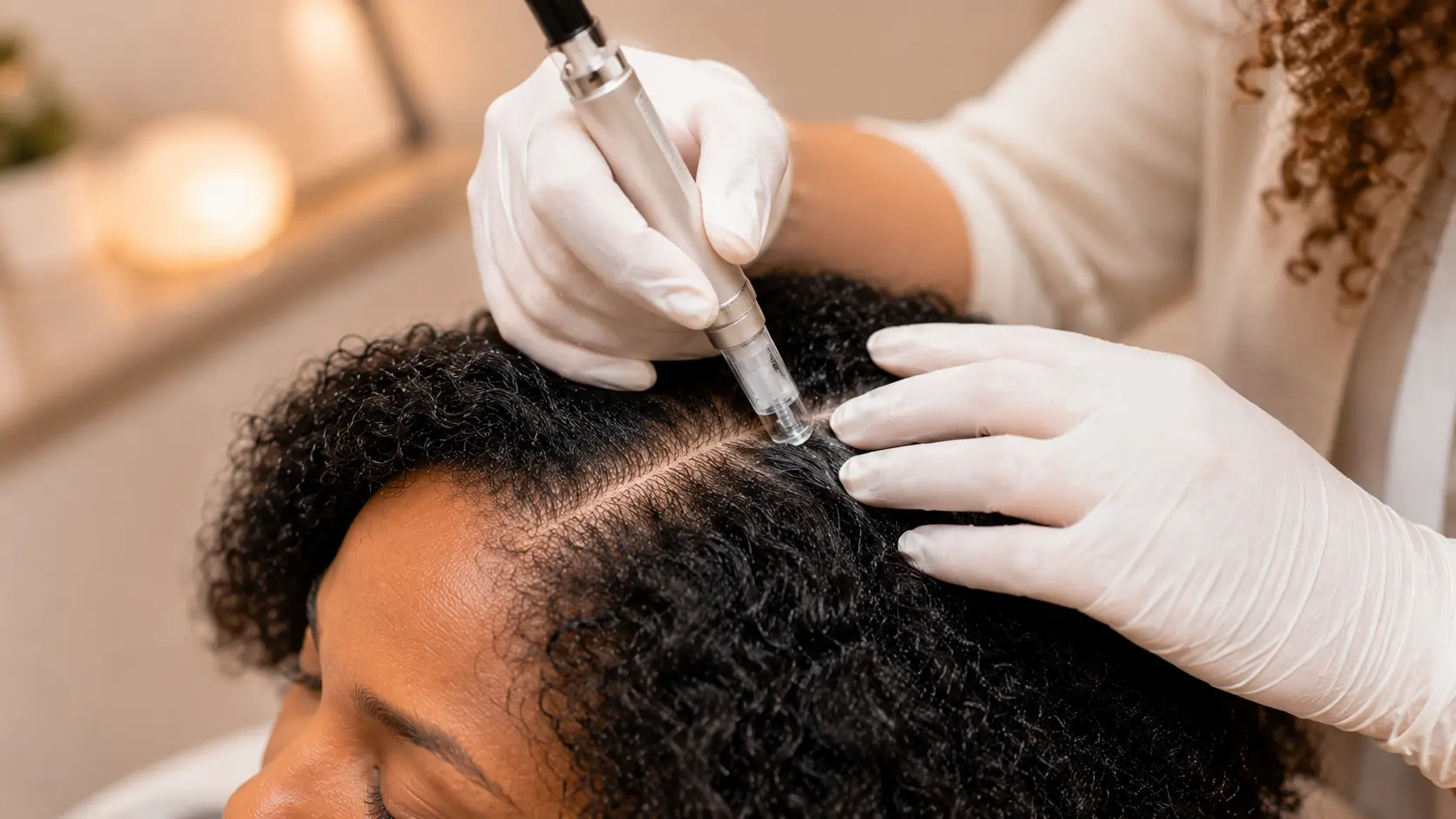
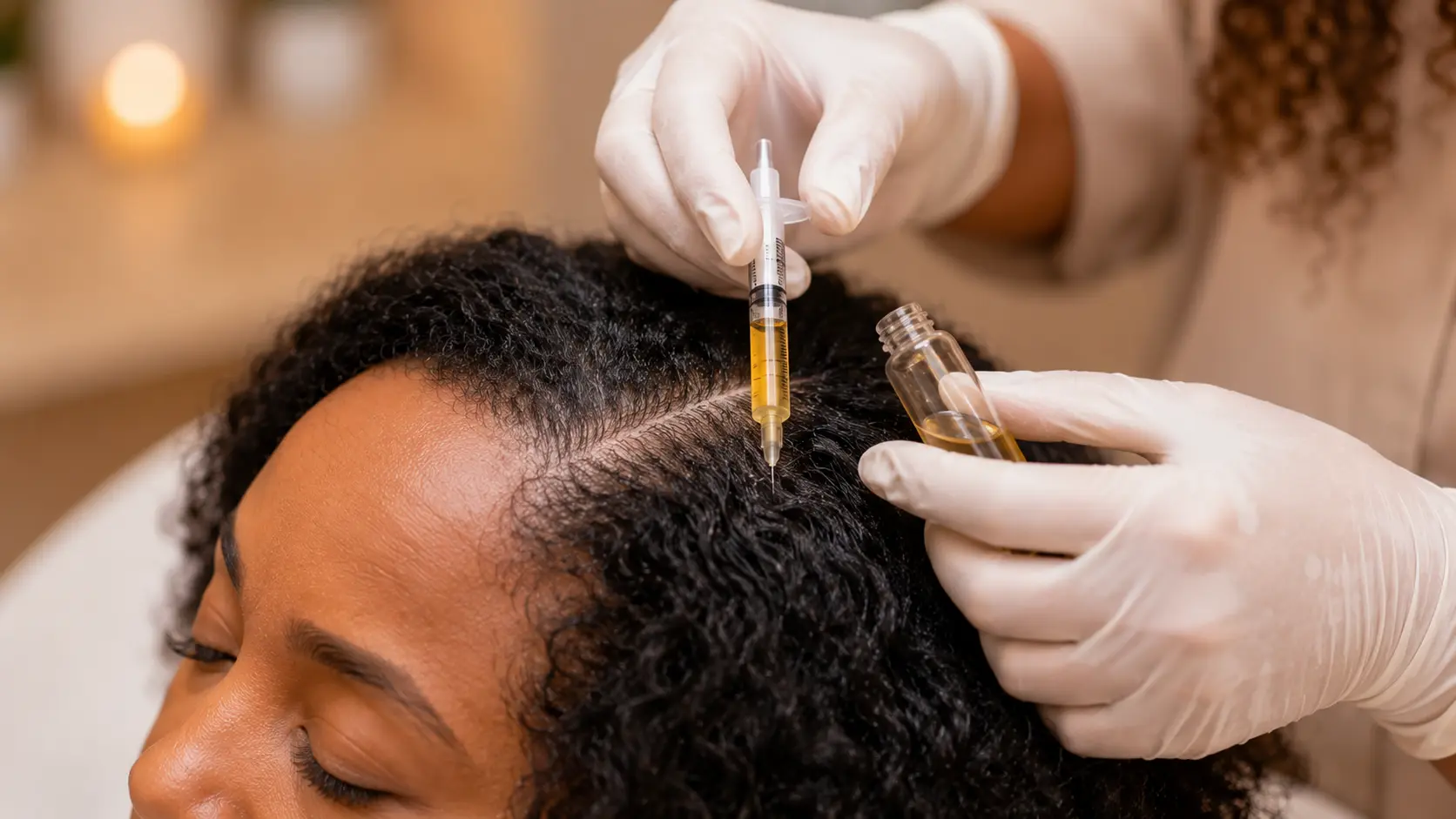
Functional hormone testing, customized nutraceuticals and in-clinic stimulation therapies.
Explore our treatment methodsHow Hormones Affect Hair Growth
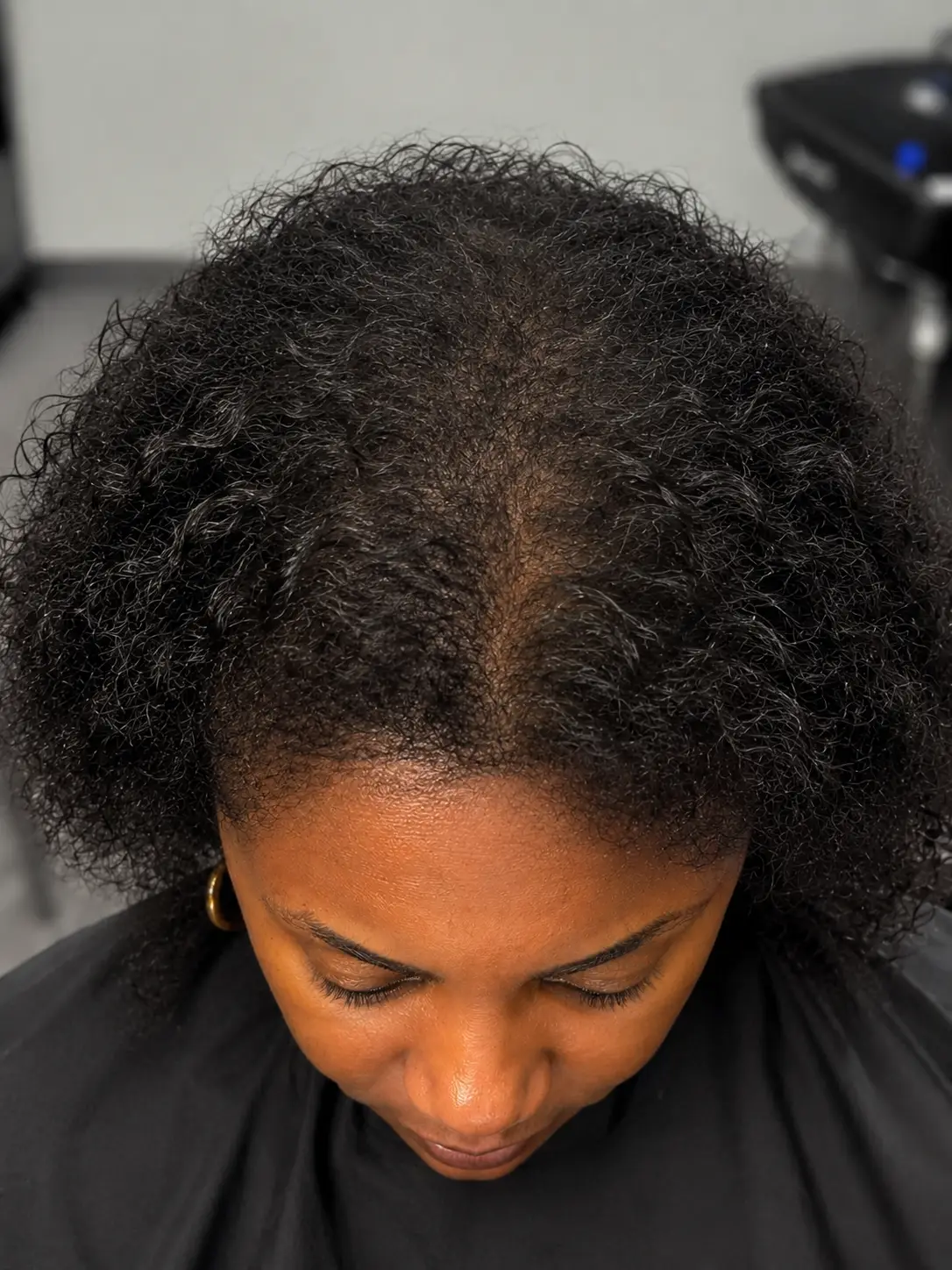
Hormonal hair loss is the most common reason women experience progressive hair thinning from their late 30s onward. Every major hormonal transition creates the potential for visible hair changes: perimenopause, menopause, thyroid dysfunction, PCOS, postpartum recovery, and even stopping or starting hormonal birth control. The mechanism varies by hormone, but the result is the same. Follicles that once produced thick, healthy terminal hairs begin producing thinner, shorter, less pigmented hairs, or stop producing altogether. Estrogen supports the growth phase of the hair cycle. When estrogen declines (as it does during perimenopause and menopause), the growth phase shortens and more follicles enter the resting phase simultaneously. Androgens like DHT can shrink follicles in genetically sensitive areas. Thyroid hormones regulate metabolic rate at the cellular level, and even mild thyroid dysfunction disrupts the energy supply follicles need to sustain growth.
At Atlanta Trichology, certified trichologists use trichoscopy (200x magnification scalp imaging) to evaluate hormonal hair loss at the follicle level. Trichoscopy identifies the specific patterns and markers associated with different hormonal causes: miniaturization patterns from androgen sensitivity, diffuse thinning from estrogen decline, generalized shedding from thyroid dysfunction, or a combination of multiple hormonal factors acting simultaneously. This imaging-based diagnosis replaces the guesswork that leads many women through years of wrong products, wrong supplements, and wrong assumptions about why their hair is thinning.
Dr. Nina Ross designed the hormonal hair loss protocol at Atlanta Trichology to address what most hair loss treatments miss: the internal hormonal environment driving the visible changes. Your certified trichologist manages scalp-level follicle therapies. Dr. Ross orders and interprets comprehensive hormonal bloodwork: estradiol, progesterone, testosterone (free and total), DHEA-S, DHT, thyroid panel with antibodies, cortisol, insulin, ferritin, vitamin D, and inflammatory markers. Treatment targets the specific hormonal imbalances identified in your labs, not a one-size-fits-all protocol.
Evidence
Can Hormonal Hair Loss Be Reversed?
The reversibility of hormonal hair loss depends on the specific hormone involved, how long the imbalance has persisted, and whether the underlying cause can be corrected. Thyroid-related hair loss is highly reversible once thyroid function is normalized. Hair loss from temporary hormonal shifts (postpartum, stopping birth control) typically self-resolves with or without treatment, though treatment accelerates recovery. Menopausal and androgen-driven hair loss involves progressive follicle miniaturization that can be slowed, stabilized, and partially reversed with consistent treatment, though complete reversal to pre-menopausal density is not realistic without addressing the hormonal decline itself.
A study published in the Journal of Clinical Endocrinology and Metabolism found that women with subclinical hypothyroidism (mildly elevated TSH with normal T4) experienced measurable hair density loss that was missed by standard medical evaluation. Hair density improved significantly within 6 months of thyroid hormone optimization. The researchers noted that hair loss was often the first clinical sign of thyroid dysfunction, preceding other symptoms by months or years.
Research in the International Journal of Women's Dermatology demonstrated that perimenopausal women (ages 40 to 55) showed a 15 to 25% reduction in hair density compared to premenopausal controls, with the greatest density loss occurring in the 2 to 3 years surrounding the final menstrual period. The study found that declining estradiol levels correlated directly with measurable follicle miniaturization on trichoscopy.
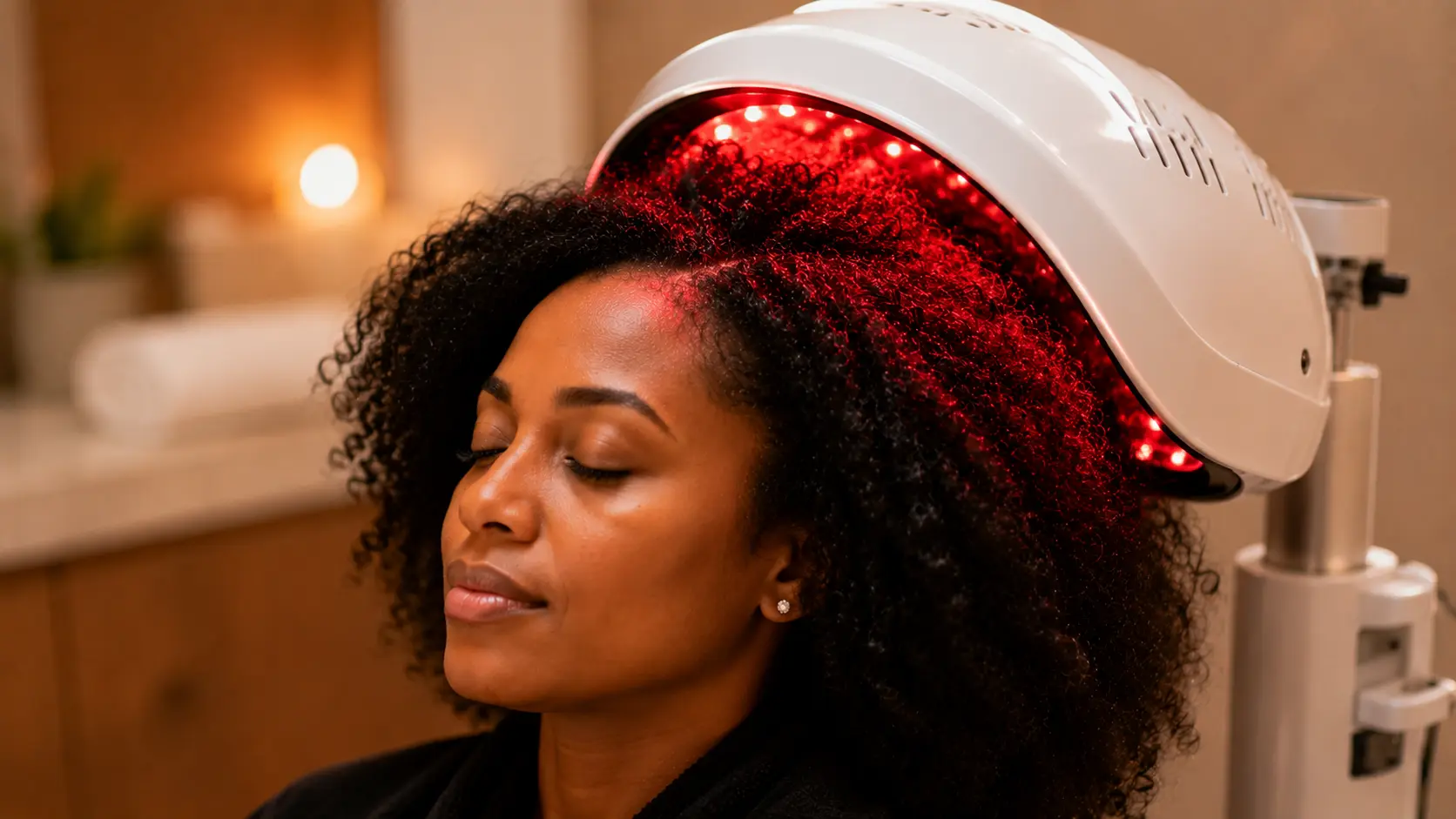
A systematic review published in Dermatologic Therapy confirmed that combination treatment (photobiomodulation plus PRP plus hormonal correction) produced superior hair density outcomes in hormonally-driven female hair loss compared to single-modality approaches. The review emphasized that addressing the hormonal cause without treating the follicle, or treating the follicle without addressing the hormonal cause, produced incomplete results.
Trichoscopic monitoring has been validated as the most reliable method for tracking hormonal hair loss progression and treatment response. A 2021 study in Skin Appendage Disorders found that trichoscopy detected miniaturization changes 6 to 12 months before patients noticed visual differences in the mirror, enabling earlier intervention and better outcomes.
Investment
How Much Does Hormonal Hair Loss Treatment Cost?
Hormonal hair loss treatment at Atlanta Trichology is priced per session within your personalized protocol. The cost depends on which hormonal factors are involved, the extent of follicle miniaturization identified on trichoscopy, and whether functional medicine evaluation from Dr. Ross is indicated (it almost always is for hormonal hair loss).
Most hormonal hair loss patients benefit from the combined approach: scalp-level treatments (laser therapy, PRP, microneedling) plus functional medicine bloodwork and hormonal correction. Patients with a single correctable cause (thyroid dysfunction or iron deficiency) may recover with a shorter, simpler protocol. Patients with multiple hormonal factors (perimenopause plus insulin resistance plus low ferritin) typically require a more comprehensive approach.
Nationally, endocrinologist visits for hormonal evaluation cost $250 to $500, and comprehensive hormonal bloodwork runs $200 to $800. Dermatologist-prescribed treatments for female hair loss (topical minoxidil, spironolactone) cost $30 to $200 per month with ongoing prescriptions. At Atlanta Trichology, the diagnostic and treatment process is integrated. Trichoscopy, bloodwork interpretation, and treatment happen in one practice, reducing the fragmented care and duplicated costs that occur when multiple specialists are involved.
Start with the $99 trichoscopy evaluation. Your certified trichologist scans your entire scalp at 200x magnification, identifies the specific hormonal hair loss pattern, and recommends bloodwork targets for Dr. Ross. You leave with a clear diagnosis and a treatment plan with transparent pricing.
Timeline
Hormonal Hair Loss Treatment: What to Expect
Hormonal hair loss timelines vary by cause. Thyroid correction produces the fastest visible results (3 to 6 months). Perimenopausal and menopausal hair loss requires longer-term management because the hormonal shifts are ongoing. Patients with multiple hormonal factors need all of them addressed for full improvement. Your trichologist provides realistic timeline expectations based on your specific hormonal profile.
Common Questions
Hormonal Hair Loss: Common Questions
Related
You May Also Want To Read

Condition
Traction Alopecia
Hair loss caused by tight hairstyles and chronic tension on the follicle.
Read more
Condition
Alopecia Areata
Autoimmune hair loss that appears as smooth, round patches on the scalp.
Read more
Condition
Central Centrifugal Cicatricial Alopecia (CCCA)
Scarring alopecia beginning at the crown, most common in Black women.
Read moreTreatment
Treatments for Hormonal Hair Loss
Your hair is telling you something. Let's find out what.
A 30-minute evaluation. A certified trichologist. A 200x trichoscopy scan of your scalp. And real answers before you leave the building. Your next step is $99 and one appointment away.