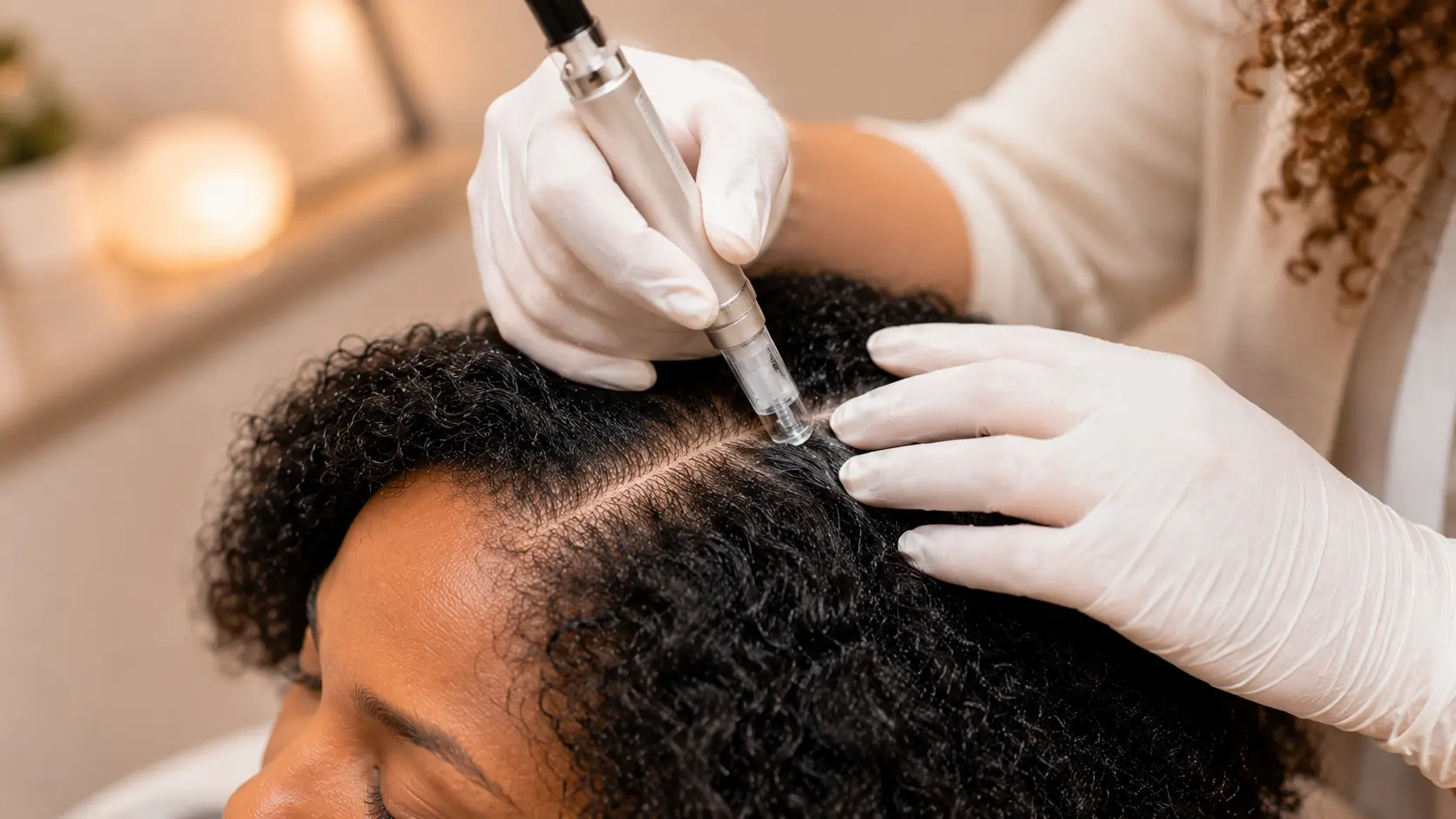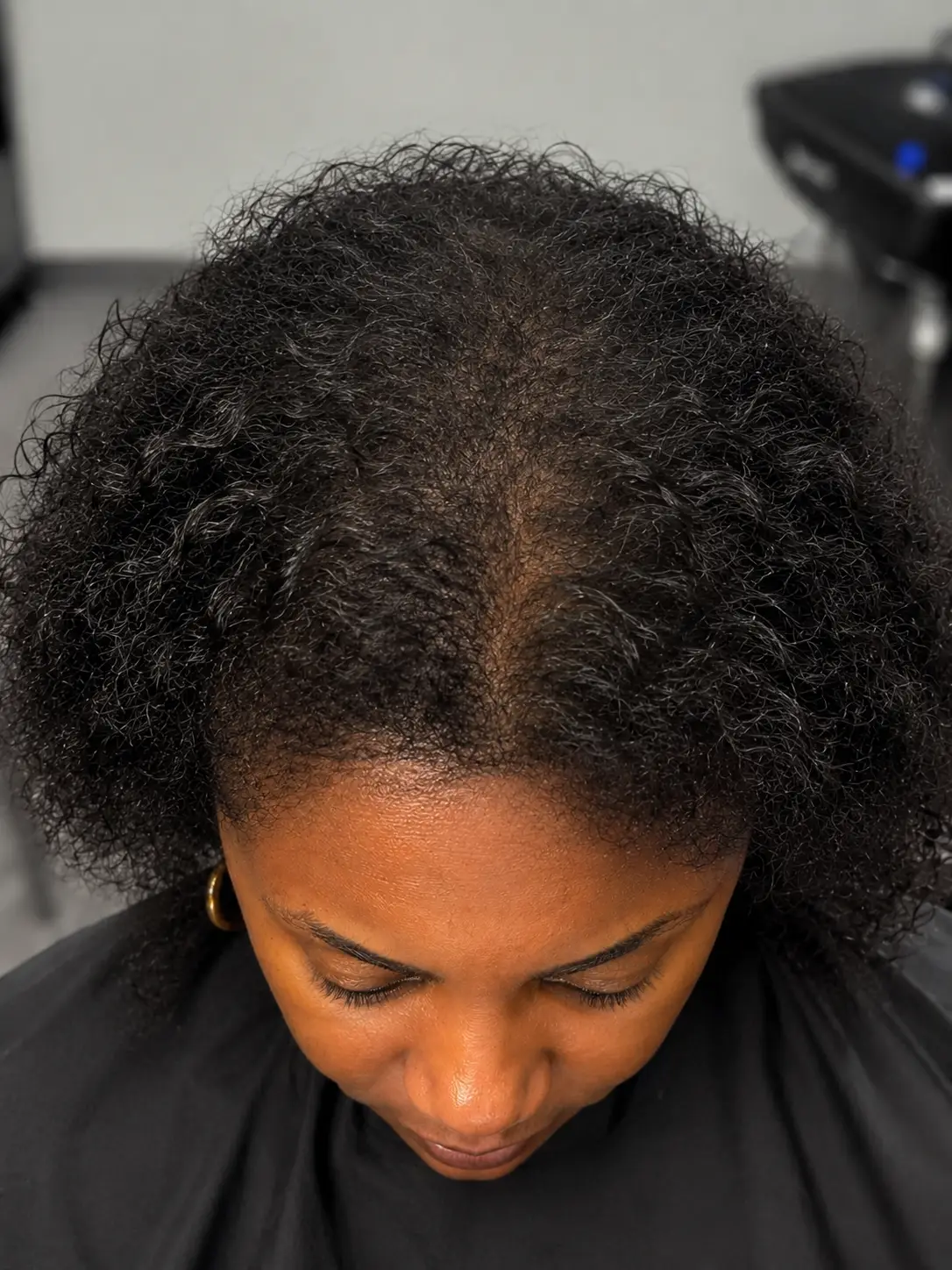

Certified trichologist performing trichoscopy evaluation for female hair loss at Atlanta Trichology in Sandy Springs GA
Fig. 01 · Female Hair Loss

Female Hair Loss: Comprehensive Trichologist Treatment for Women

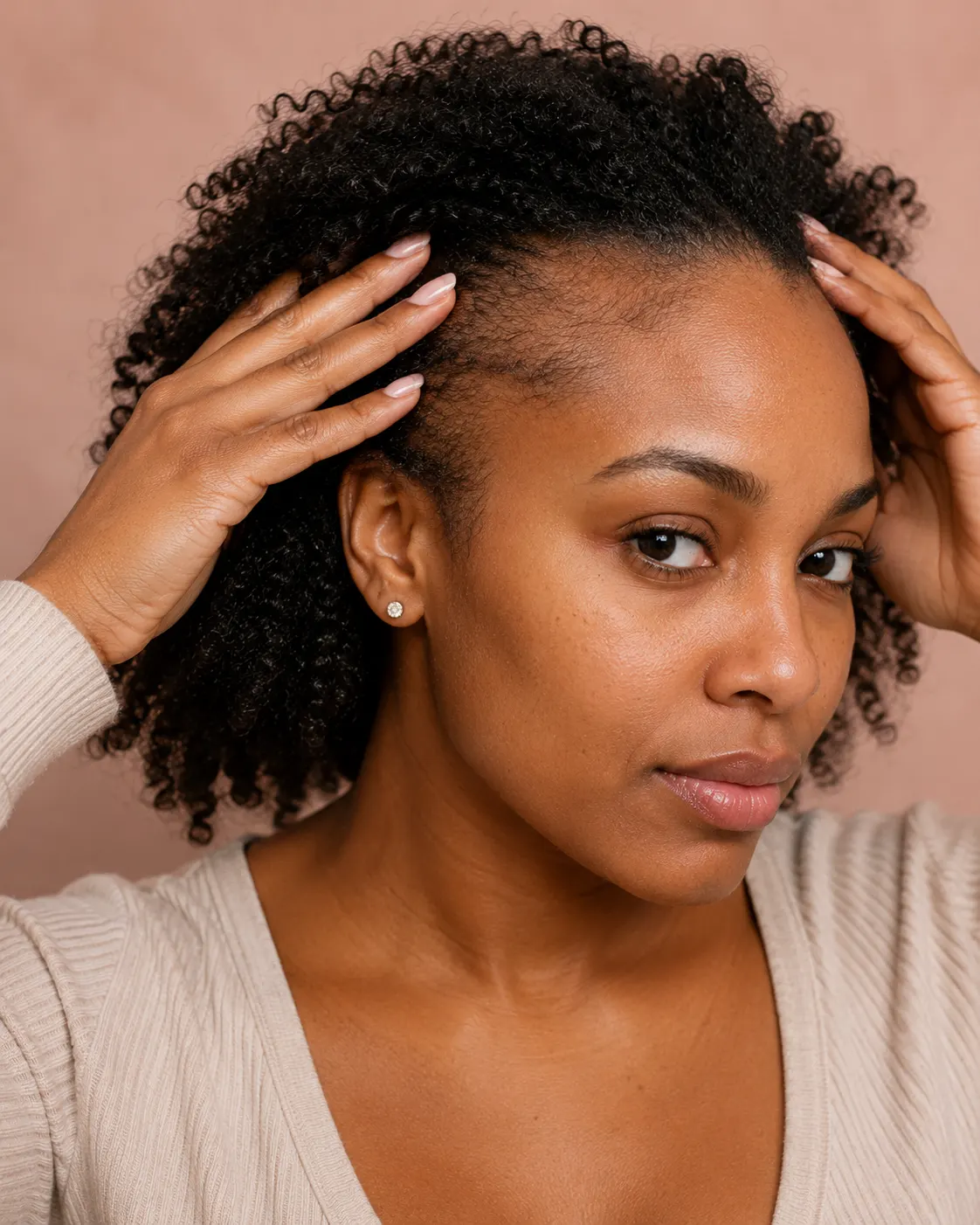
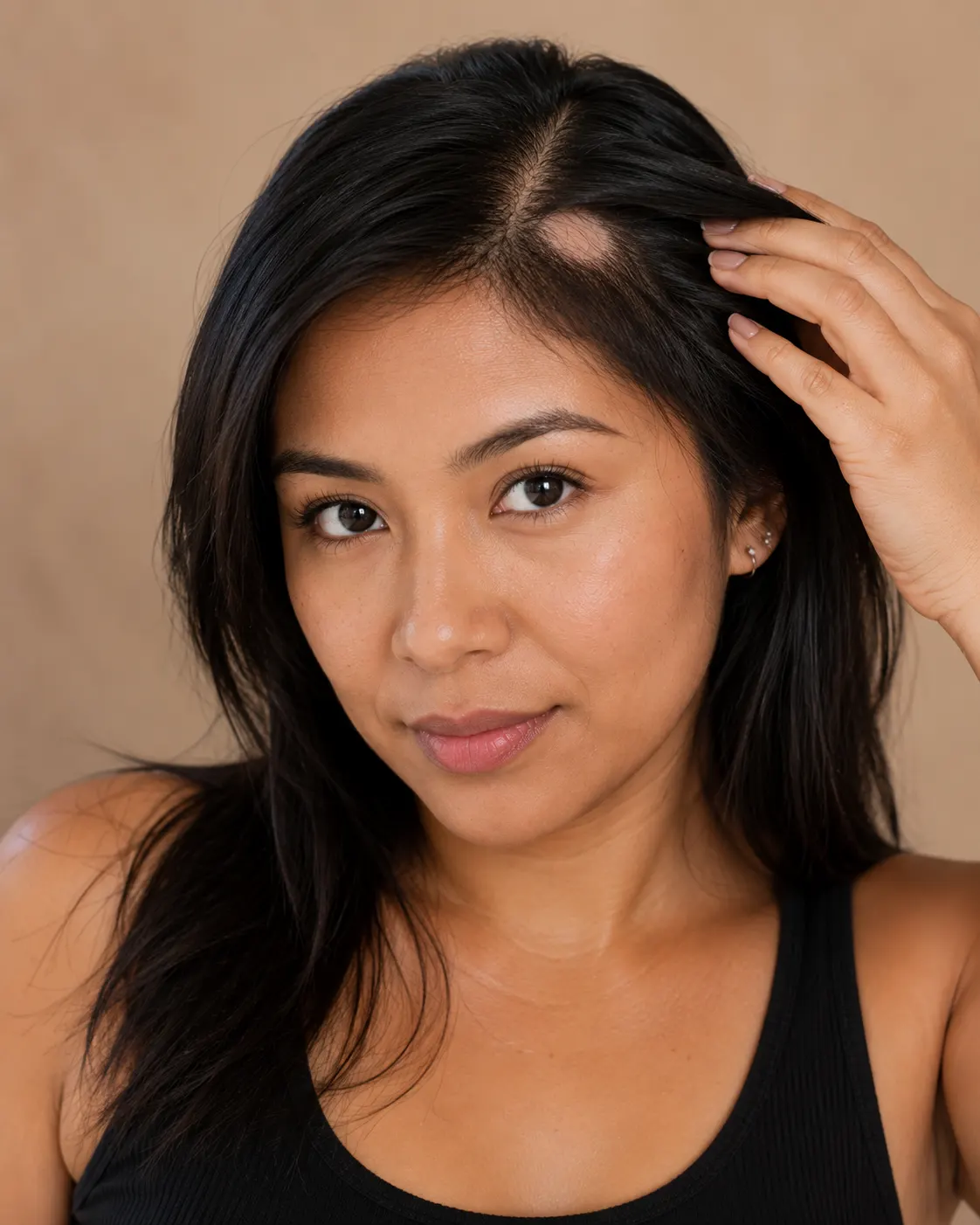
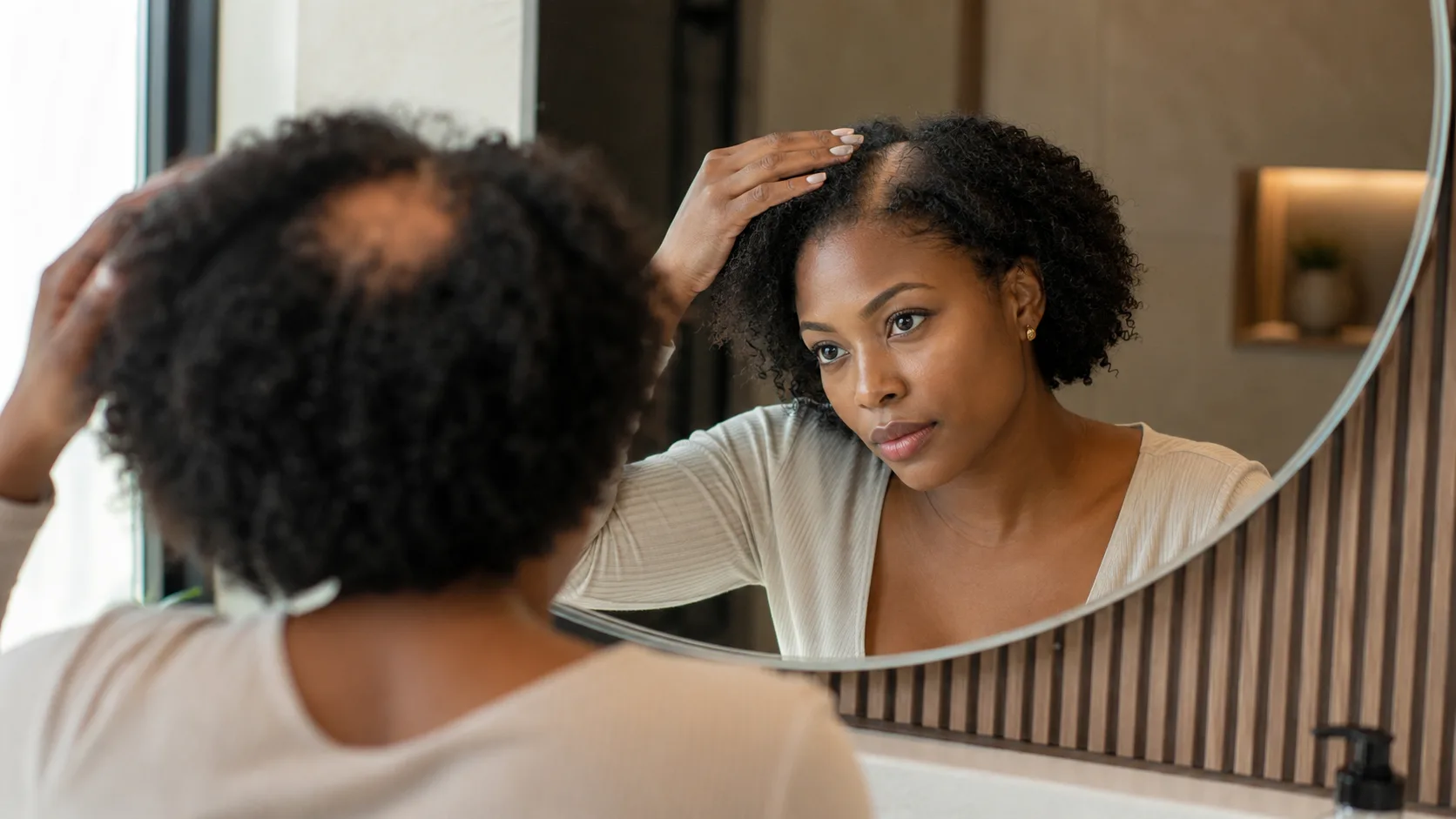
Diffuse thinning across the crown and part line in women.

Book your hair loss evaluation

Signs to Watch For

  • Widening of the center part

  • Reduced ponytail thickness

  • More scalp visible under bright light

  • Slower regrowth after shedding

  • Hair that feels finer than it used to

How We Treat Female Hair Loss

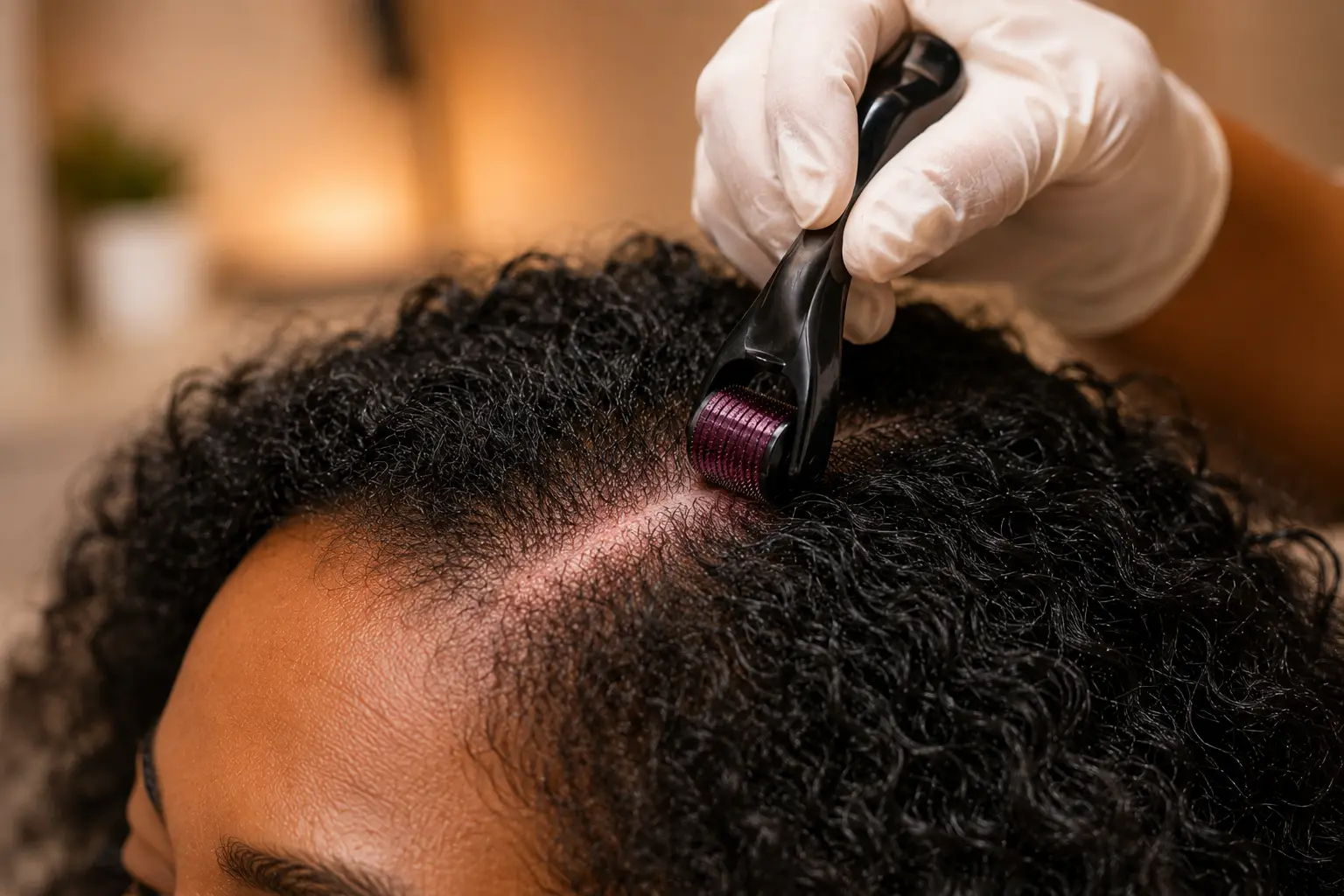
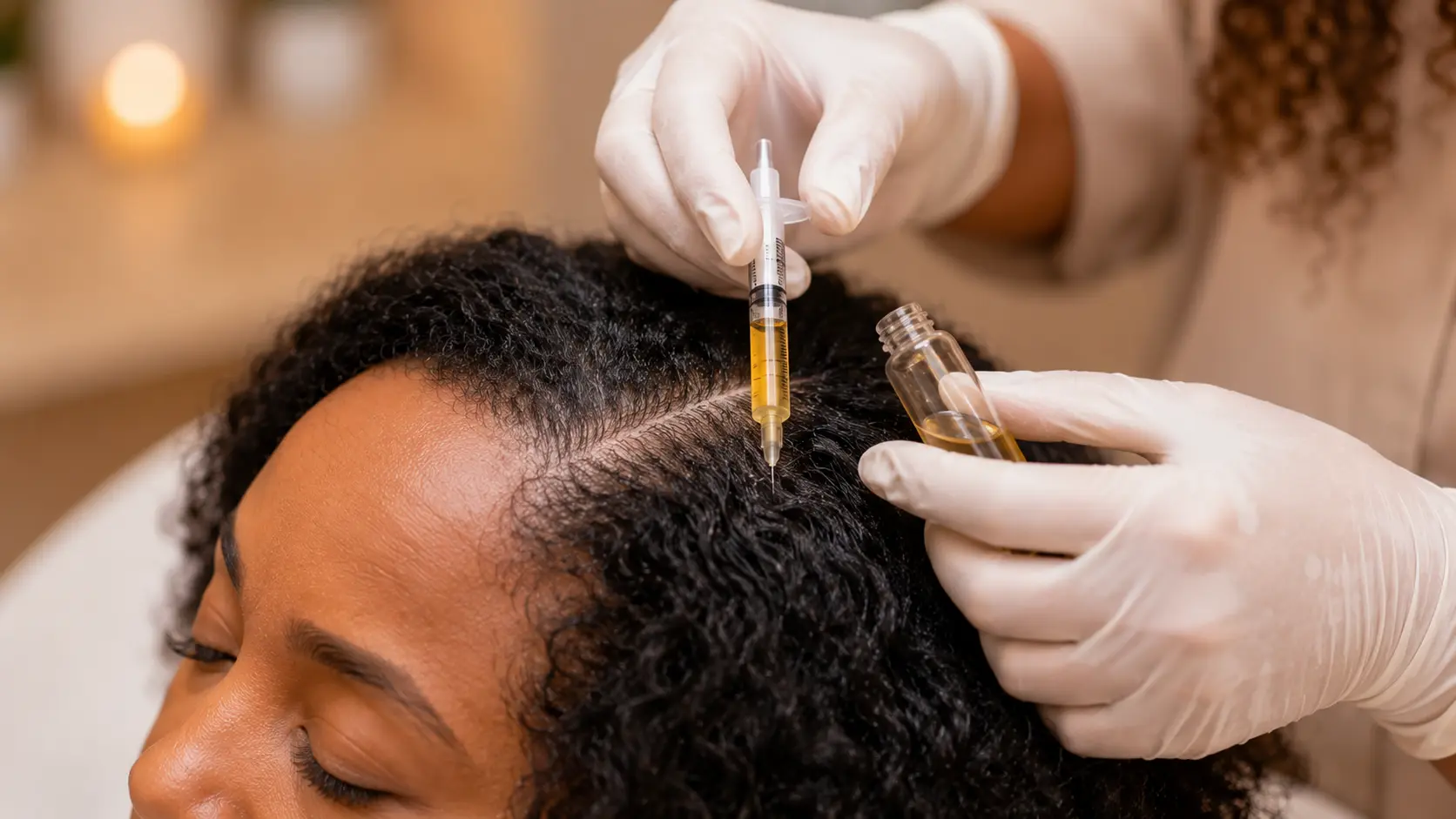
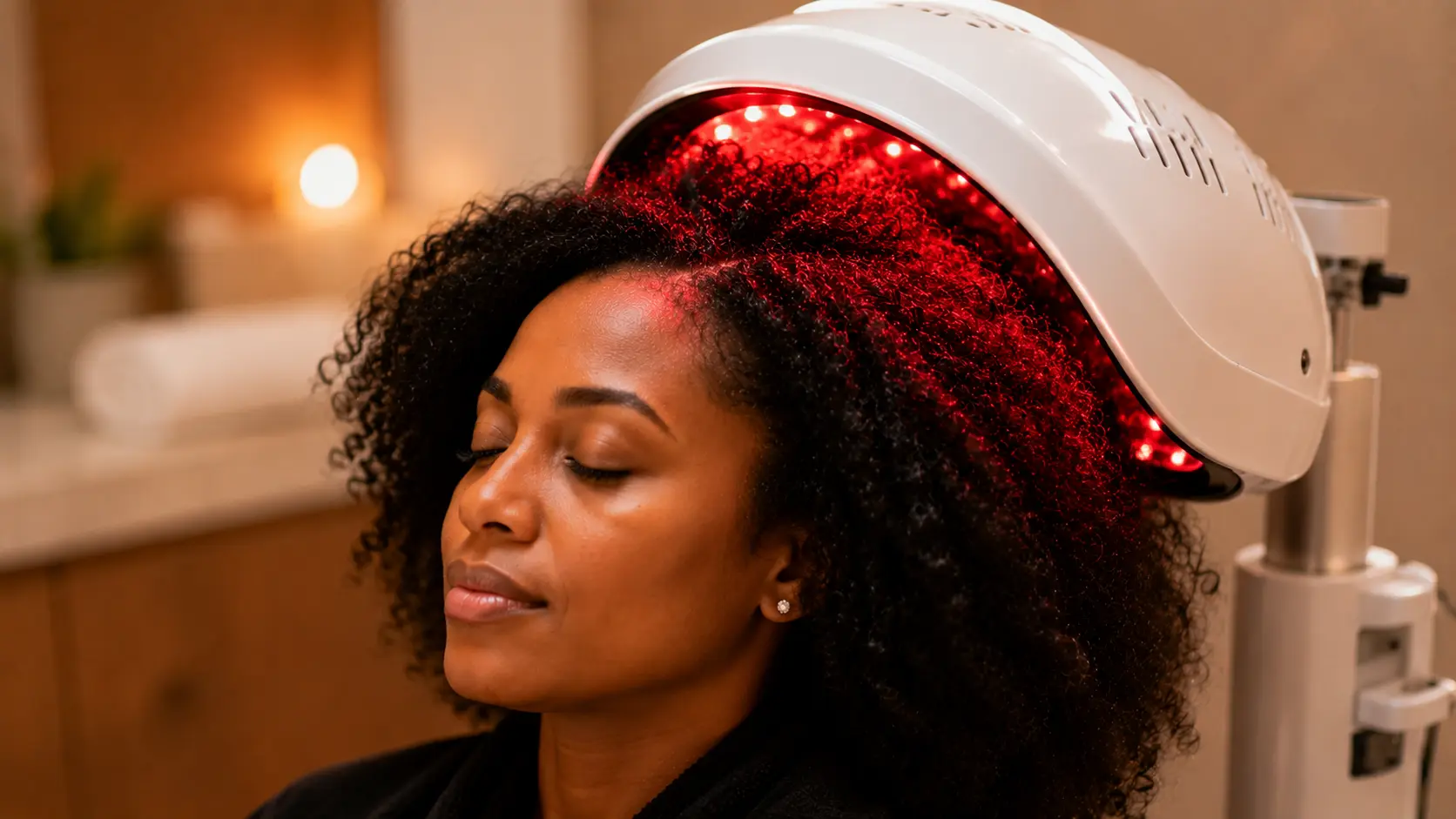
Comprehensive hormone and nutrient panels paired with PRP, low-level laser therapy and a clean nutraceutical regimen.

Explore our treatment methods
Why Women Lose Hair

Hair loss in women is more common than most people realize. By age 50, nearly half of all women experience clinically significant hair thinning. The causes range widely: hormonal shifts (perimenopause, menopause, postpartum, thyroid dysfunction, PCOS), nutritional deficiencies (iron, ferritin, vitamin D, B12, zinc), autoimmune conditions (alopecia areata, lupus, Hashimoto's), scarring conditions (CCCA, lichen planopilaris), traction from styling practices, medication side effects, stress-induced telogen effluvium, and androgenetic alopecia (female pattern hair loss driven by DHT sensitivity). Many women have more than one cause operating simultaneously, which is why single-treatment approaches often produce disappointing results.

At Atlanta Trichology, certified trichologists evaluate female hair loss with trichoscopy, a 200x magnification imaging system that identifies the specific cause of hair loss at the follicle level. Trichoscopy reveals patterns and markers that are invisible to the naked eye: follicular miniaturization (the hallmark of androgenetic alopecia), elevated telogen ratios (indicating telogen effluvium), perifollicular inflammation (suggesting autoimmune or scarring processes), broken shafts and traction damage, and density variations across different scalp zones. A 45-minute evaluation with trichoscopy replaces months of guesswork, misdiagnosis, and wrong products. Many women arrive having already spent thousands on products, supplements, and treatments that targeted the wrong cause.

Dr. Nina Ross designed the female hair loss protocol at Atlanta Trichology to address the full spectrum of causes simultaneously. Your certified trichologist manages scalp-level treatments. Dr. Ross orders and interprets comprehensive bloodwork that covers every common internal driver of female hair loss: complete hormonal panel (estradiol, progesterone, testosterone, DHT, DHEA-S, SHBG), thyroid panel with antibodies, ferritin, vitamin D, B12, zinc, complete metabolic panel, insulin, inflammatory markers, and autoimmune screening when indicated. The treatment plan addresses every identified cause, not just the most obvious one.

How We Treat Female Hair Loss

Female hair loss treatment at Atlanta Trichology is built on a precise diagnosis. The cause determines the protocol. Your certified trichologist selects from these approaches based on your trichoscopy findings, bloodwork results, and the specific type (or combination of types) of hair loss identified:

The most common mistake in female hair loss treatment is treating without diagnosing. Products, supplements, and even professional treatments produce limited results when applied to the wrong type of hair loss. The $99 trichoscopy evaluation at Atlanta Trichology identifies exactly what is causing your hair loss and whether multiple causes are involved, so every treatment dollar goes toward the right target.

Does Female Hair Loss Treatment Work?

Female hair loss treatment outcomes depend entirely on accurate diagnosis and addressing every contributing cause. Research consistently shows that women who receive a comprehensive diagnostic workup and multi-targeted treatment achieve significantly better density outcomes than women who receive single-treatment approaches or who self-treat with OTC products.

A systematic review published in the Journal of the American Academy of Dermatology found that combination therapy (photobiomodulation plus PRP plus nutritional correction) produced statistically significant improvements in hair density in female pattern hair loss patients. The combination approach outperformed each individual treatment modality when used alone. The review noted that identifying and correcting nutritional deficiencies (particularly ferritin and vitamin D) amplified the effects of all other treatments.

Research published in the International Journal of Women's Dermatology demonstrated that female hair loss patients who received comprehensive hormonal and nutritional bloodwork had significantly shorter time-to-improvement compared to patients treated empirically (without blood testing). The study found that undiagnosed thyroid dysfunction, iron deficiency, and vitamin D insufficiency were present in over 40% of women presenting with hair loss and that correcting these factors was necessary for optimal treatment response.

A landmark trichoscopy study in Dermatologic Clinics found that 38% of women presenting with what they described as 'general thinning' actually had two or more concurrent hair loss conditions identified on trichoscopic examination. The most common combinations were androgenetic alopecia plus telogen effluvium, androgenetic alopecia plus iron deficiency, and telogen effluvium plus thyroid dysfunction. Treating only one condition while missing the other produced incomplete results.

PRP therapy has been validated in multiple randomized controlled trials for female hair loss. A meta-analysis in Aesthetic Plastic Surgery found that PRP produced a mean increase of 29 hairs per square centimeter and measurable increases in hair shaft thickness at 6-month follow-up in female androgenetic alopecia patients. The most significant improvements occurred in patients who began treatment within the first 5 years of noticeable thinning.

How Much Does Female Hair Loss Treatment Cost?

Female hair loss treatment at Atlanta Trichology is priced per session within your personalized protocol. The cost depends on the type of hair loss diagnosed, the number of contributing factors identified, which treatments your trichologist recommends based on trichoscopy, and whether functional medicine evaluation from Dr. Ross is indicated.

Simple cases (telogen effluvium with a single correctable trigger) may require only a short course of laser therapy plus nutritional correction. Complex cases (androgenetic alopecia plus hormonal imbalance plus nutritional deficiencies) require a multi-treatment protocol with ongoing functional medicine management. Most female hair loss patients fall somewhere between these extremes.

Nationally, women spend an average of $1,200 to $3,600 per year on hair loss products, supplements, and treatments before ever receiving a diagnosis. Dermatologist consultations cost $200 to $400, and the most commonly prescribed treatment (topical minoxidil) costs $15 to $80 per month with ongoing use required indefinitely. PRP at dermatology practices costs $500 to $1,500 per session. At Atlanta Trichology, the trichoscopy evaluation, bloodwork interpretation, and treatment all happen in one practice, eliminating the fragmented care and duplicated costs that occur when hair loss is managed across multiple specialists.

Start with the $99 trichoscopy evaluation. Your certified trichologist scans your entire scalp at 200x magnification, diagnoses the specific type (or types) of hair loss present, and provides a treatment plan with clear pricing. Many women say the evaluation alone was worth it, because it finally gave them an answer after years of uncertainty.

Female Hair Loss Treatment: What to Expect

  1. 01

    Sessions 1-2 (Weeks 1-2)

    Comprehensive trichoscopy evaluation across all scalp zones. Your trichologist maps miniaturization patterns, density distribution, telogen-to-anagen ratios, and any inflammatory or scarring markers. Bloodwork is drawn for the complete panel: hormones (estradiol, progesterone, testosterone, DHT, DHEA-S, SHBG), thyroid with antibodies, ferritin, vitamin D, B12, zinc, insulin, CMP, and inflammatory markers. You leave with a definitive diagnosis and a clear understanding of every factor contributing to your hair loss.

  2. 02

    Sessions 3-8 (Weeks 3-10)

    Active treatment begins based on your specific diagnosis. Laser therapy provides the treatment foundation. PRP and/or microneedling target the zones of greatest concern. Dr. Ross's corrections for nutritional deficiencies and hormonal imbalances begin taking effect. Shedding volume stabilizes. Most patients notice a reduction in daily hair loss during this phase.

  3. 03

    Sessions 9-14 (Weeks 11-20)

    Trichoscopy follow-up shows measurable improvements: increased shaft diameter in miniaturized zones, improved telogen-to-anagen ratios, and early density gains. New growth is visible as short, fine hairs emerging at the hairline and part line. Hair feels thicker when styling. Bloodwork recheck confirms nutritional and hormonal corrections are on target.

  4. 04

    Sessions 15+ (Months 6-12)

    Overall density visibly improves. Part line narrows. Ponytail circumference increases. Maintenance frequency decreases based on diagnosis: telogen effluvium patients may complete treatment, while androgenetic alopecia patients transition to monthly or quarterly maintenance sessions. Ongoing trichoscopy monitoring tracks sustained improvement and catches any new changes early.

Timelines vary by diagnosis. Telogen effluvium with a corrected trigger resolves fastest (4 to 7 months). Androgenetic alopecia requires ongoing management but shows meaningful improvement within 6 to 9 months. Scarring conditions (CCCA, lichen planopilaris) focus on halting progression rather than regrowth. Your trichologist provides realistic expectations based on your specific diagnosis.

Comparing Female Hair Loss Treatment Options

Feature
Diagnostic imaging
Trichoscopy at 200x magnification with follicle-level pattern analysis
Root cause bloodwork
Comprehensive panel: hormones, thyroid with antibodies, ferritin, vitamin D, B12, zinc, insulin, inflammatory markers
Multiple cause identification
Trichoscopy identifies concurrent conditions (38% of women have 2+ causes)
Treatment modalities
Laser therapy, PRP, microneedling, mesotherapy, scalp masks, functional medicine
Functional medicine integration
Hormonal and nutritional correction as part of the hair loss protocol
Progress tracking
Trichoscopy at each milestone with objective density and diameter measurements
Atlanta Trichology Protocol
Diagnostic imaging
Visual inspection; possible scalp biopsy
Root cause bloodwork
May order TSH and CBC; limited panel typical
Multiple cause identification
May identify primary cause; concurrent causes often missed
Treatment modalities
Topical minoxidil, oral spironolactone, possible PRP
Functional medicine integration
Handled in-house by Dr. Nina Ross
Progress tracking
Visual assessment at follow-ups
Dermatologist
Diagnostic imaging
None
Root cause bloodwork
None
Multiple cause identification
Guesswork; treats symptoms without diagnosis
Treatment modalities
OTC minoxidil, volumizing products, supplements
Functional medicine integration
No medical evaluation
Progress tracking
Self-assessment; no objective measurement
OTC Self-Treatment
Diagnostic imaging
Root cause bloodwork
Multiple cause identification
Treatment modalities
Functional medicine integration
Progress tracking

Swipe to compare · 4 options

The average woman tries 4 to 6 products or treatments before receiving a proper diagnosis for her hair loss. Starting with a trichoscopy evaluation eliminates the trial-and-error phase and ensures every treatment investment targets the actual cause.

Female Hair Loss: Common Questions

What causes hair loss in women?

Hair loss in women has multiple potential causes, and more than one cause is often active simultaneously. The most common causes are androgenetic alopecia (female pattern hair loss driven by DHT sensitivity, affecting up to 40% of women by age 50), telogen effluvium (stress-induced or trigger-related shedding), hormonal changes (perimenopause, menopause, postpartum, thyroid dysfunction, PCOS), nutritional deficiencies (iron/ferritin, vitamin D, B12, zinc), autoimmune conditions (alopecia areata, lupus), scarring conditions (CCCA, lichen planopilaris), traction from tight hairstyles, and medication side effects. At Atlanta Trichology, trichoscopy identifies the specific cause at the follicle level, and functional medicine bloodwork from Dr. Nina Ross identifies the internal drivers. This dual approach catches the concurrent conditions that single-focus evaluations miss.

What is female pattern hair loss?

Female pattern hair loss (female androgenetic alopecia) is the most common form of progressive hair thinning in women. It presents differently than male pattern baldness. Rather than a receding hairline or bald crown, women typically experience diffuse thinning across the top of the scalp with a widening part line, described as the Ludwig pattern. The frontal hairline is usually preserved. Female pattern hair loss is driven by androgen sensitivity at the follicle level: DHT causes genetically susceptible follicles to progressively miniaturize, producing thinner, shorter hairs with each growth cycle. At Atlanta Trichology, trichoscopy identifies miniaturization in its earliest stages, often years before the thinning becomes visible to the eye. Early detection through trichoscopy is the most important factor in treatment outcomes because follicles are easiest to recover when miniaturization is mild.

Why is my hair thinning in my 30s?

Hair thinning in your 30s is more common than most women realize and typically involves one or more of these factors: early-onset androgenetic alopecia (genetic pattern thinning that can begin in the late 20s or 30s), iron deficiency (particularly in women with heavy menstrual periods or who have had pregnancies), thyroid dysfunction (Hashimoto's thyroiditis frequently presents in the 30s), PCOS-related androgen excess, postpartum telogen effluvium, stress-induced shedding, or vitamin D insufficiency. At Atlanta Trichology, certified trichologists see a significant number of women in their 30s. Trichoscopy identifies exactly which type of thinning is occurring, and Dr. Ross's bloodwork reveals the underlying cause. Women who address hair thinning in their 30s preserve significantly more density long-term than women who wait until their 40s or 50s to seek evaluation.

What is the best treatment for female hair loss?

The best treatment for female hair loss is the one that targets your specific diagnosis. There is no single best treatment because the causes are so varied. Androgenetic alopecia responds best to follicle-stimulating therapies (laser, PRP, microneedling) combined with hormonal management. Telogen effluvium resolves fastest with trigger correction (nutritional deficiency repair, thyroid optimization) plus laser therapy to accelerate regrowth. Scarring conditions require anti-inflammatory protocols to halt progression. At Atlanta Trichology, the $99 trichoscopy evaluation identifies your specific diagnosis so your trichologist can recommend the treatment approach with the highest probability of success for your type of hair loss. This is why diagnosis must come before treatment.

Can female hair loss be reversed?

The reversibility of female hair loss depends on the cause and how early treatment begins. Telogen effluvium (stress or trigger-related shedding) is fully reversible once the trigger is corrected. Nutritional deficiency-related hair loss reverses with supplementation to therapeutic levels. Thyroid-related hair loss improves with thyroid optimization. Androgenetic alopecia (female pattern hair loss) can be partially reversed in early stages and stabilized in moderate stages, with the best outcomes in patients who begin treatment within the first few years of noticeable thinning. Scarring conditions (CCCA, lichen planopilaris) cannot reverse hair loss in scarred areas but can halt progression and protect remaining follicles. At Atlanta Trichology, trichoscopy determines exactly where your follicles fall on the recovery spectrum and what outcomes are realistic for your situation.

How do I know if my hair loss is serious?

Several indicators suggest hair loss that warrants professional evaluation: shedding that persists beyond 3 months, a visibly wider part line, reduced ponytail circumference, visible scalp through the hair in photographs, hair that takes longer to grow or grows shorter than it used to, and patches of complete hair loss anywhere on the scalp. Sudden onset of significant shedding also warrants evaluation, even if it is likely telogen effluvium, because trichoscopy can identify concurrent conditions that may need treatment. At Atlanta Trichology, trichoscopy provides an objective, measurable assessment of your hair density and follicle health. The evaluation takes guesswork out of the equation and tells you definitively whether your hair loss needs treatment and, if so, what kind.

What blood tests should I get for hair loss?

A comprehensive hair loss blood panel should include ferritin (iron storage, the single most common nutritional cause of female hair loss, often missed when only CBC is ordered), complete thyroid panel with TPO and thyroglobulin antibodies (standard TSH alone misses subclinical Hashimoto's), vitamin D, B12, zinc, complete metabolic panel, fasting insulin and glucose (insulin resistance drives androgen excess), free and total testosterone, DHT, DHEA-S, SHBG (sex hormone-binding globulin), estradiol, progesterone, cortisol, and inflammatory markers (hs-CRP, ESR). Most primary care and dermatology visits order only TSH and CBC, missing the majority of correctable causes. At Atlanta Trichology, Dr. Nina Ross orders and interprets this full panel as part of the hair loss protocol, identifying every internal factor that standard testing overlooks.

Does stress cause hair loss in women?

Yes. Severe or prolonged stress triggers telogen effluvium, a form of diffuse hair shedding that affects women more commonly than men. Stress elevates cortisol, which prematurely shifts hair follicles from the growth phase into the resting phase. The shedding appears 2 to 4 months after the stress event, which often makes the connection difficult to recognize. Physical stressors (illness, surgery, rapid weight loss, pregnancy) and emotional stressors (grief, job loss, relationship disruption, chronic anxiety) can both trigger telogen effluvium. Stress can also worsen androgenetic alopecia by increasing androgen production and reducing SHBG. At Atlanta Trichology, trichoscopy distinguishes stress-induced shedding from pattern hair loss, and Dr. Ross evaluates cortisol levels to determine whether stress remains an active factor in your hair loss.

BEGIN

Your hair is telling you something. Let's find out what.

A 30-minute evaluation. A certified trichologist. A 200x trichoscopy scan of your scalp. And real answers before you leave the building. Your next step is $99 and one appointment away.