

Condition
Male Pattern Baldness: Trichologist-Led Non-Surgical Treatment for Men
Genetic, DHT-driven thinning of the hairline, temples and crown.
Book your hair loss evaluationOur Approach
How We Treat Male Pattern Baldness
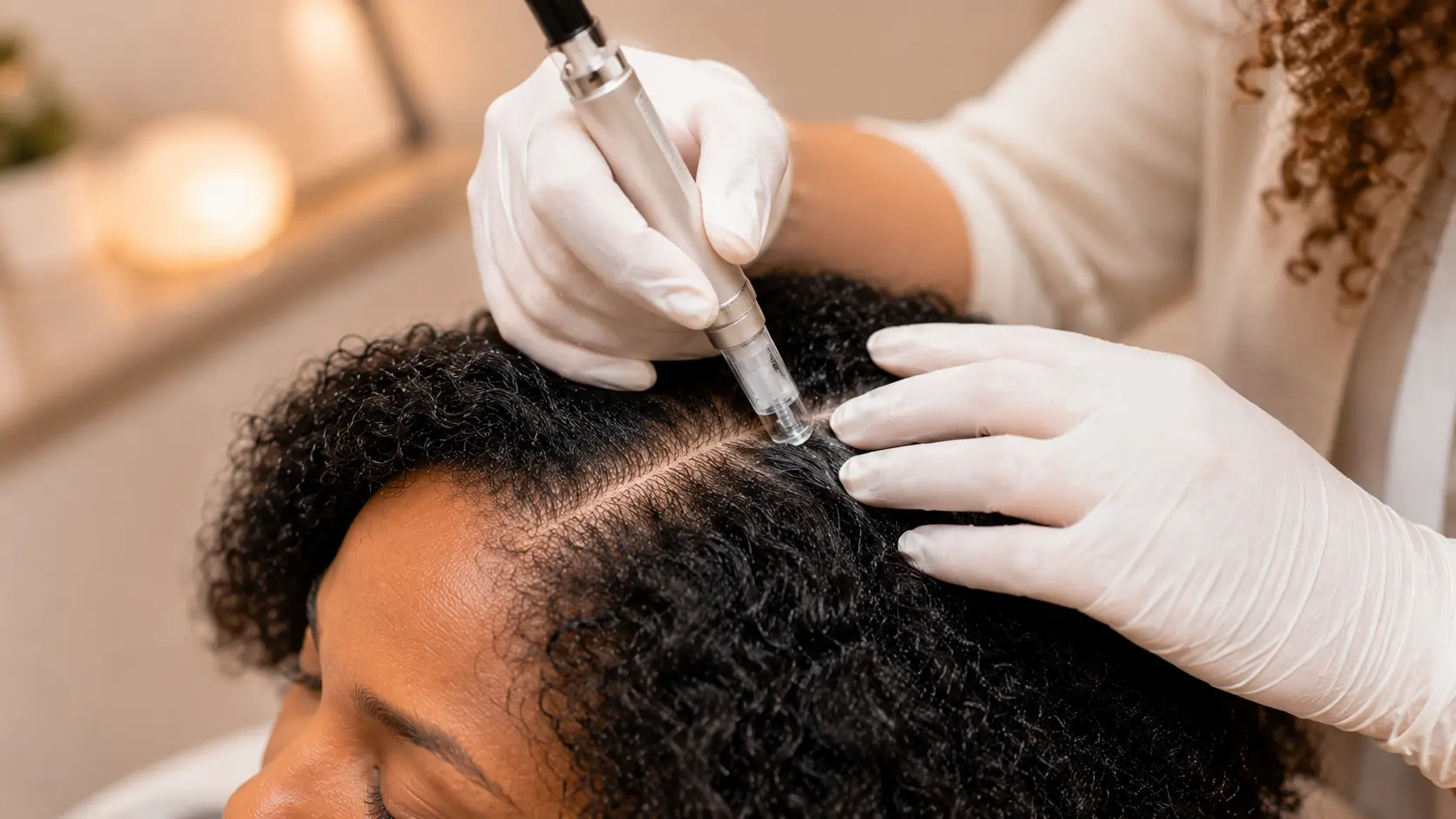
DHT-targeted topicals, PRP, exosomes and microneedling, paired with internal support to balance hormones naturally.
Explore our treatment methods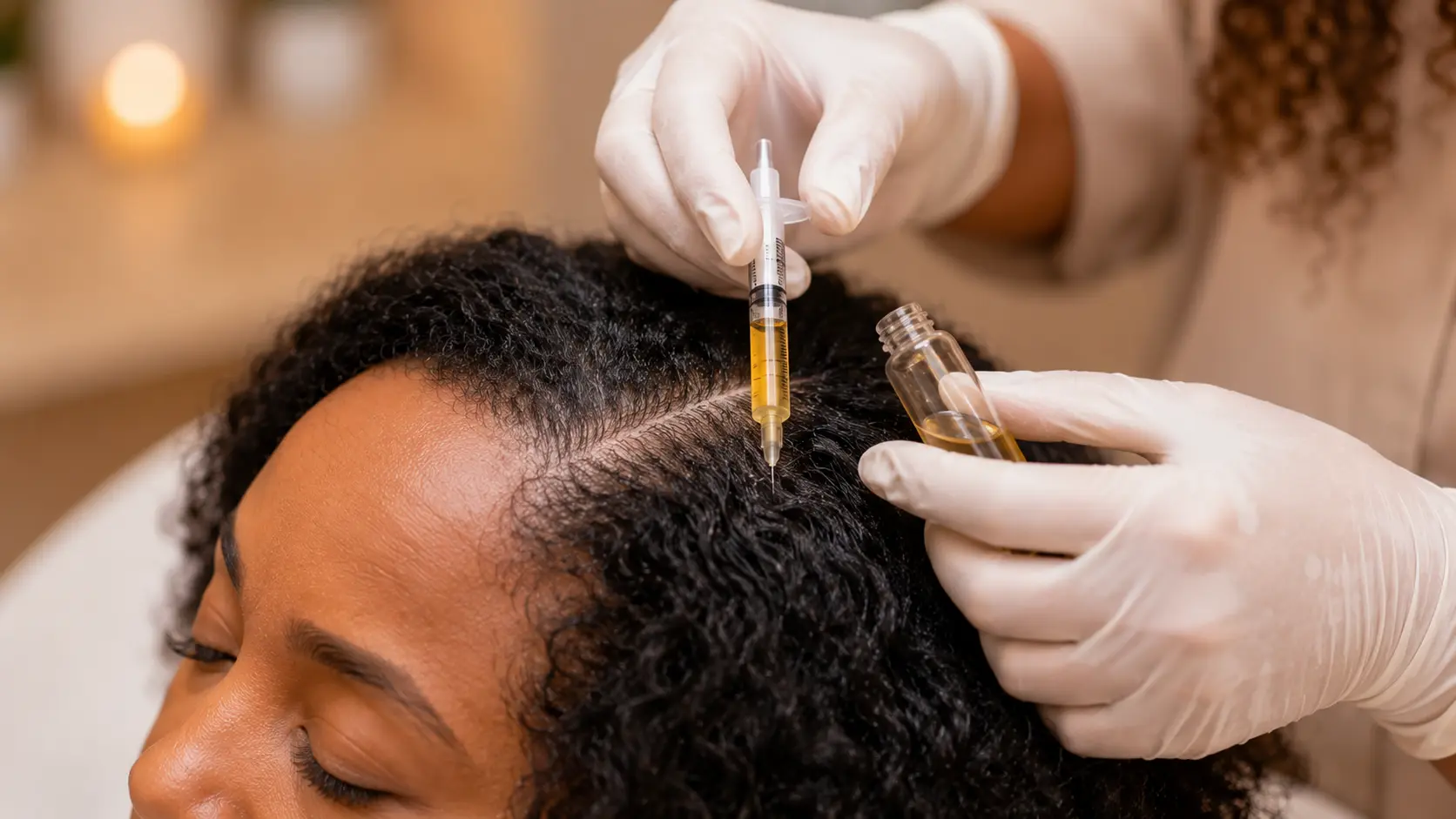
What Is Male Pattern Baldness?
Male pattern baldness (androgenetic alopecia) is the most common form of hair loss in men, affecting approximately 50% of men by age 50 and up to 80% by age 70. The condition is driven by dihydrotestosterone (DHT), a potent androgen that binds to receptors on genetically sensitive hair follicles and triggers progressive miniaturization. Affected follicles produce thinner, shorter, lighter hairs with each growth cycle until they eventually stop producing visible hair. Male pattern baldness follows predictable patterns: frontal hairline recession, crown thinning, temple recession, and progressive merging of these zones. The Norwood scale classifies male pattern baldness into seven stages, from minimal hairline recession (Norwood I) to extensive loss across the top of the scalp (Norwood VII). Genetics determine which follicles are DHT-sensitive, and both maternal and paternal genes contribute.
At Atlanta Trichology, certified trichologists use trichoscopy (200x magnification scalp imaging) to evaluate male pattern baldness at the follicle level. Trichoscopy identifies miniaturization before it becomes visible to the naked eye, catching the earliest stages of pattern baldness when treatment is most effective. The imaging reveals hair shaft diameter variability (anisotrichosis), vellus hair transformation, perifollicular fibrosis, and the exact boundary between affected and unaffected zones. This data allows your trichologist to stage your hair loss precisely on the Norwood scale and determine which follicles are still viable for regrowth stimulation.
Dr. Nina Ross designed the male pattern baldness protocol at Atlanta Trichology to provide non-surgical treatment options that address both the follicle and the hormonal environment. Your certified trichologist manages scalp-level treatments that counteract miniaturization and stimulate thicker hair production. Dr. Ross evaluates the internal factors that influence DHT levels and follicle sensitivity: free and total testosterone, DHT, DHEA-S, thyroid function, insulin, inflammatory markers, ferritin, vitamin D, and cortisol. Many men have correctable factors amplifying their genetic hair loss that standard dermatology evaluations do not investigate.
Evidence
Can Male Pattern Baldness Be Reversed?
Male pattern baldness can be partially reversed in its early to moderate stages (Norwood II through IV) when miniaturized follicles are stimulated before they undergo complete fibrotic closure. Follicles producing thin vellus hairs can be stimulated to produce thicker terminal hairs again. Follicles that have been miniaturized for many years and have developed significant perifollicular fibrosis are progressively harder to reactivate. Complete reversal to teenage hair density is not a realistic outcome, but meaningful, visible improvement in density and coverage is achievable for the majority of patients who begin treatment in stages II through V.
A randomized controlled trial published in Dermatologic Surgery found that PRP therapy increased hair count by an average of 33.6 hairs per square centimeter in androgenetic alopecia patients, with results maintained at 12-month follow-up with maintenance sessions. The greatest improvements occurred in patients at Norwood stages II through IV.
Research published in the International Journal of Trichology demonstrated that low-level laser therapy produced a 39% increase in hair density over 16 weeks in men with androgenetic alopecia compared to sham device controls. The study confirmed that photobiomodulation increases both the number of hairs and the diameter of individual hair shafts.
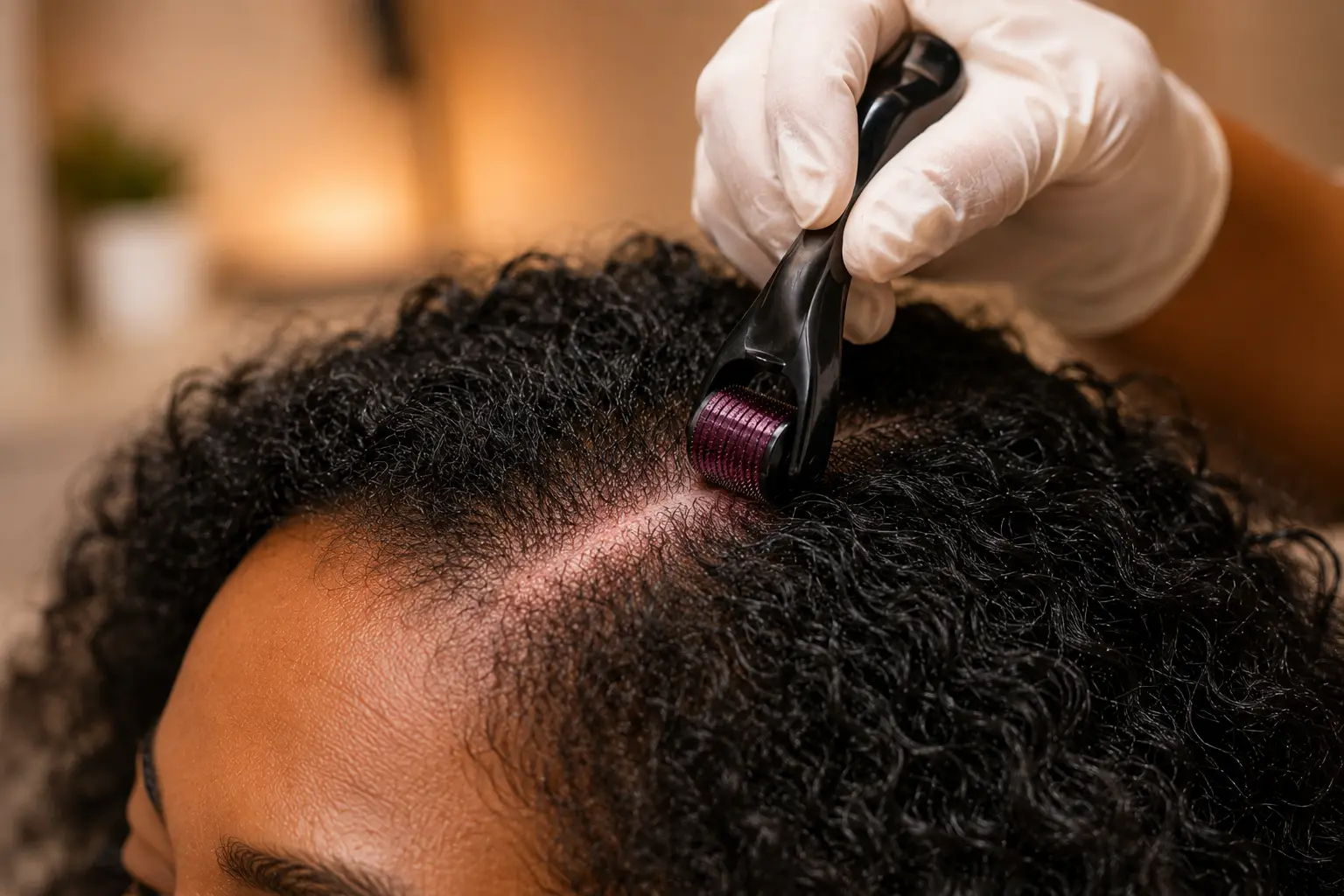
A landmark study published in the Indian Journal of Dermatology found that microneedling combined with topical treatment produced a 40% greater hair count improvement than topical treatment alone over 12 weeks in male androgenetic alopecia. The microneedling group showed significantly higher patient satisfaction scores and more visible cosmetic improvement.
Research on the metabolic connection to male pattern baldness, published in the Journal of the European Academy of Dermatology and Venereology, found that men with androgenetic alopecia had significantly higher rates of insulin resistance and metabolic syndrome compared to age-matched controls. The study suggested that metabolic optimization could slow the progression of hair loss by reducing 5-alpha reductase activity and systemic inflammation. This supports the functional medicine approach used at Atlanta Trichology.
Investment
How Much Does Male Pattern Baldness Treatment Cost?
Male pattern baldness treatment at Atlanta Trichology is priced per session within your personalized protocol. The cost depends on your Norwood stage, the size of the affected area, which treatments your trichologist recommends based on trichoscopy, and whether functional medicine evaluation from Dr. Ross is indicated.
Most male pattern baldness patients benefit from a combination approach: laser therapy as the foundation, PRP and/or microneedling for targeted follicle stimulation in receding and thinning zones, and functional medicine to address metabolic factors accelerating progression. Treatment frequency is typically weekly or biweekly during the initial phase, transitioning to monthly or quarterly maintenance.
Nationally, pharmaceutical treatment costs $30 to $200 per month for finasteride and/or minoxidil, with lifelong use required. Hair transplant surgery costs $5,000 to $15,000 or more depending on the number of grafts. PRP at dermatology practices costs $500 to $1,500 per session. At Atlanta Trichology, the non-surgical approach provides active follicle stimulation and hormonal optimization that complements or, for some patients, replaces pharmaceutical treatment.
Start with the $99 trichoscopy evaluation. Your certified trichologist stages your hair loss on the Norwood scale, calculates miniaturization ratios across every affected zone, and provides a realistic assessment of what treatment can achieve at your current stage. This evaluation is the most important $99 you will spend on your hair.
Timeline
Male Pattern Baldness Treatment: What to Expect
Male pattern baldness is a chronic, progressive condition. Treatment stops progression and reverses early-stage miniaturization, but discontinuing treatment allows DHT to resume its effect on sensitive follicles. Most patients transition to a maintenance schedule that fits their lifestyle and budget. Earlier Norwood stages respond faster and more completely than advanced stages.
Real Result
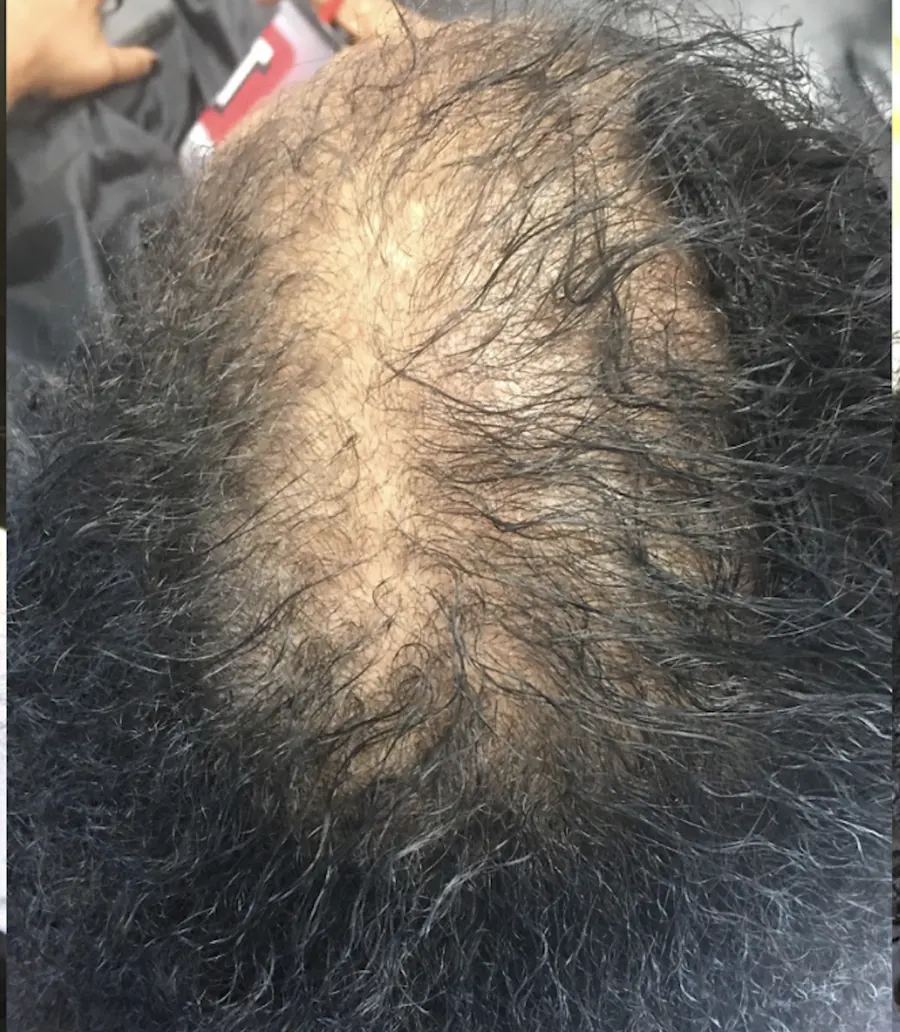
A case treated for Male Pattern Baldness
 Before
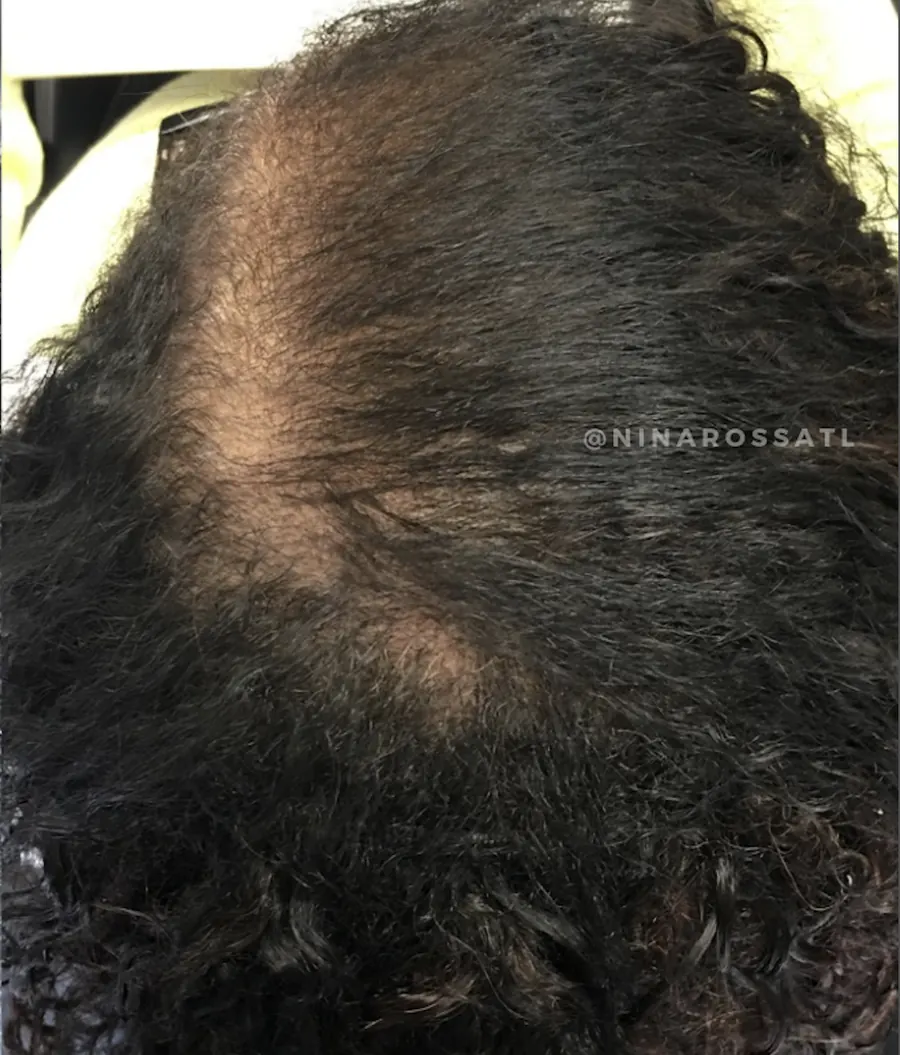 After
AfterCommon Questions
Male Pattern Baldness: Common Questions
Related
You May Also Want To Read

Condition
Traction Alopecia
Hair loss caused by tight hairstyles and chronic tension on the follicle.
Read more
Condition
Alopecia Areata
Autoimmune hair loss that appears as smooth, round patches on the scalp.
Read more
Condition
Central Centrifugal Cicatricial Alopecia (CCCA)
Scarring alopecia beginning at the crown, most common in Black women.
Read moreTreatment
Treatments for Male Pattern Baldness
Your hair is telling you something. Let's find out what.
A 30-minute evaluation. A certified trichologist. A 200x trichoscopy scan of your scalp. And real answers before you leave the building. Your next step is $99 and one appointment away.