

Condition
Nutritional Deficiency Hair Loss: Test the Gap, Then Correct It
Hair loss driven by low iron, vitamin D, zinc, or other critical nutrients.
Find Out Which Nutrient Is Costing You HairOur Approach
How We Treat Nutritional Deficiency Hair Loss
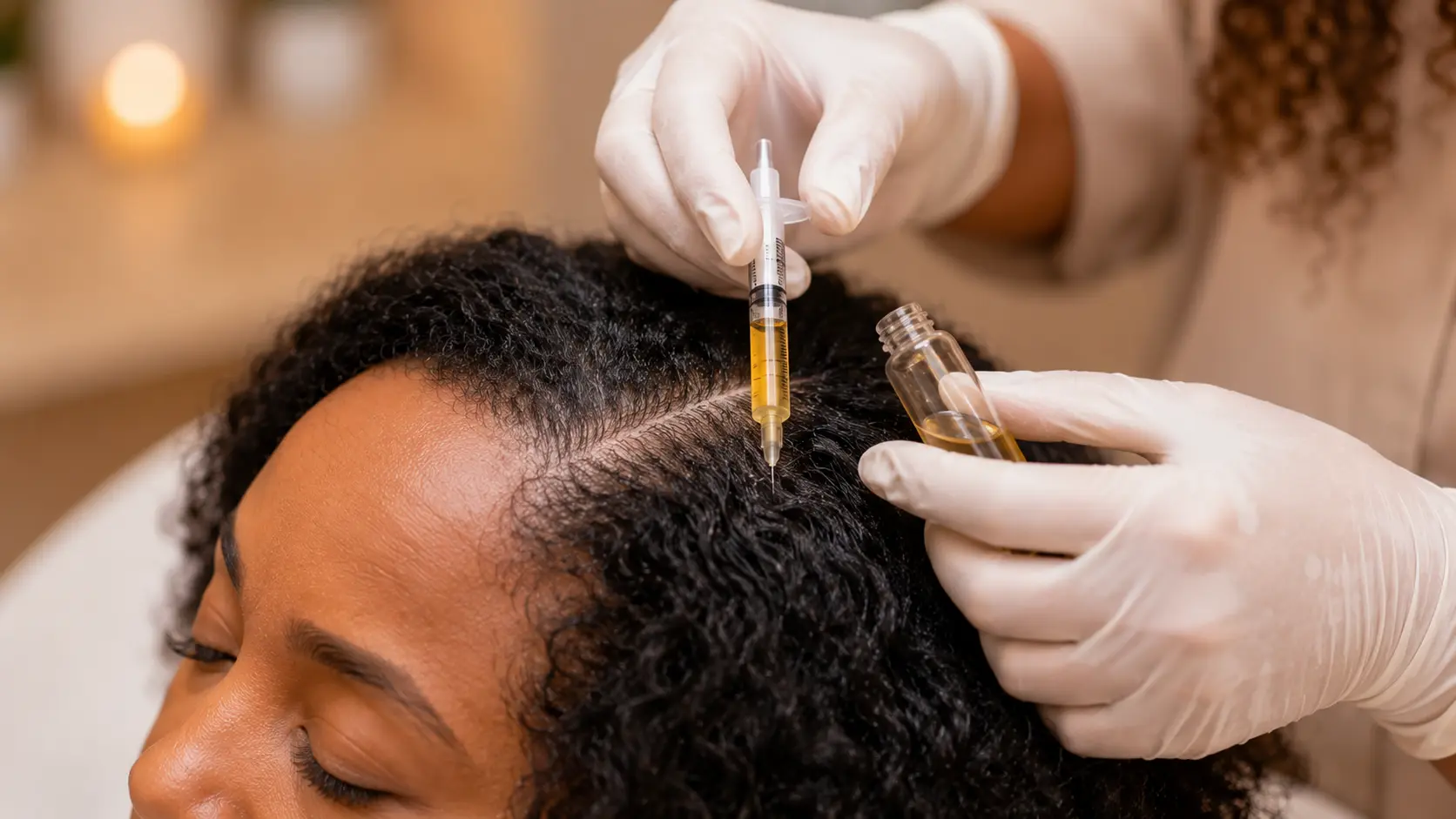
Comprehensive nutrient panel including iron, ferritin, vitamin D, zinc, B12, and thyroid markers. Dr. Nina Ross designs a targeted supplementation protocol from your actual numbers. In-clinic mesotherapy delivers nutrients directly to the follicle when oral absorption is insufficient.
Explore our treatment methods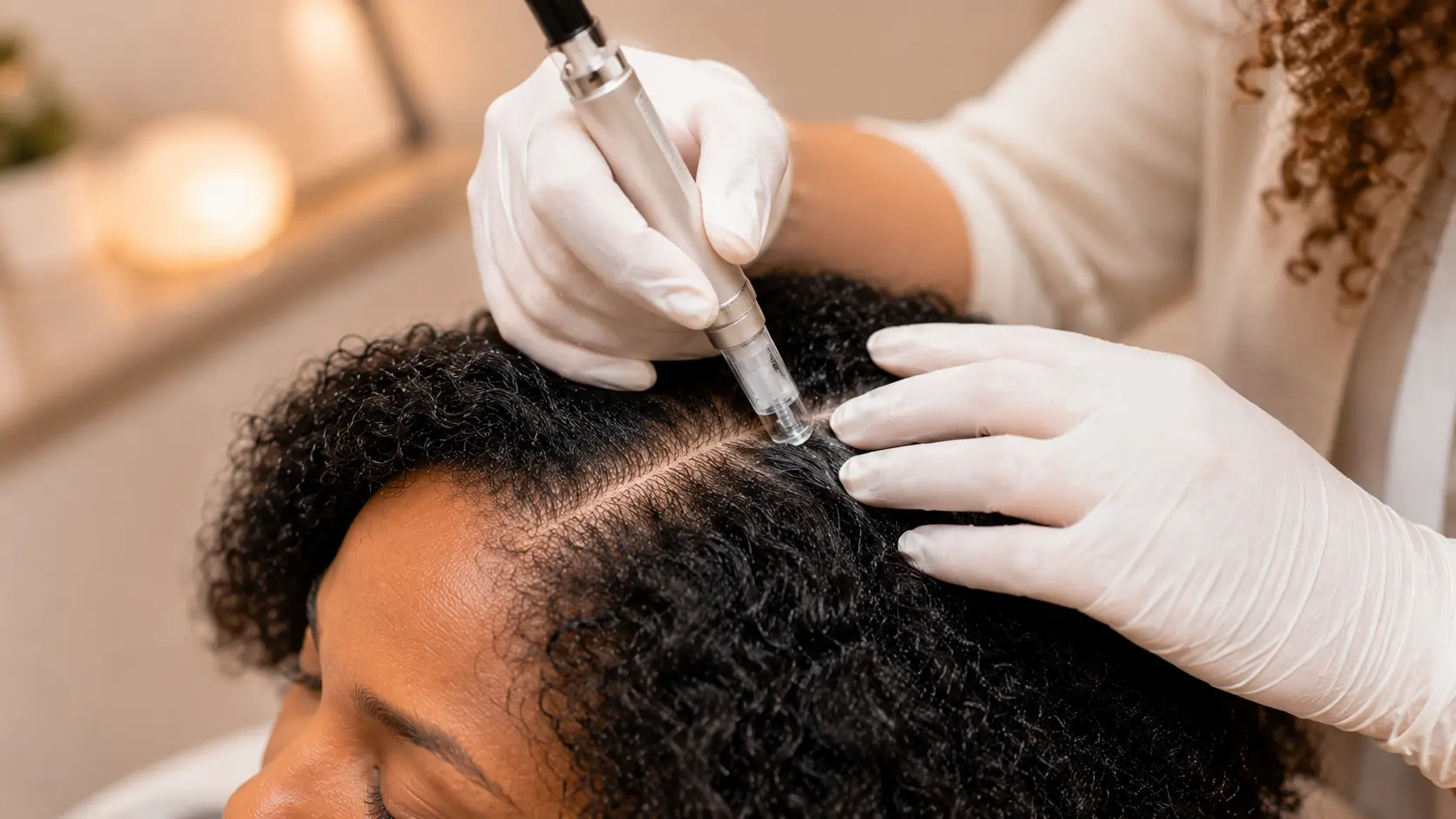
The Most Under-Diagnosed Cause of Hair Loss
Hair follicles are among the most metabolically active structures in the human body. They divide faster than almost any other cell line, and that pace requires a constant supply of iron, ferritin, vitamin D, zinc, B12, omega-3 fatty acids, and amino acids. When any one of those falls below a functional threshold, the follicle protects the body first and shortens the growth phase. Shedding follows six to twelve weeks later.
Standard lab panels miss this constantly. Conventional reference ranges are built to catch disease, and functional targets for hair are higher. A ferritin of 32 ng/mL prints as normal while sitting far under the 70 ng/mL level most trichology literature associates with healthy anagen maintenance. The lab says fine. The scalp says otherwise.
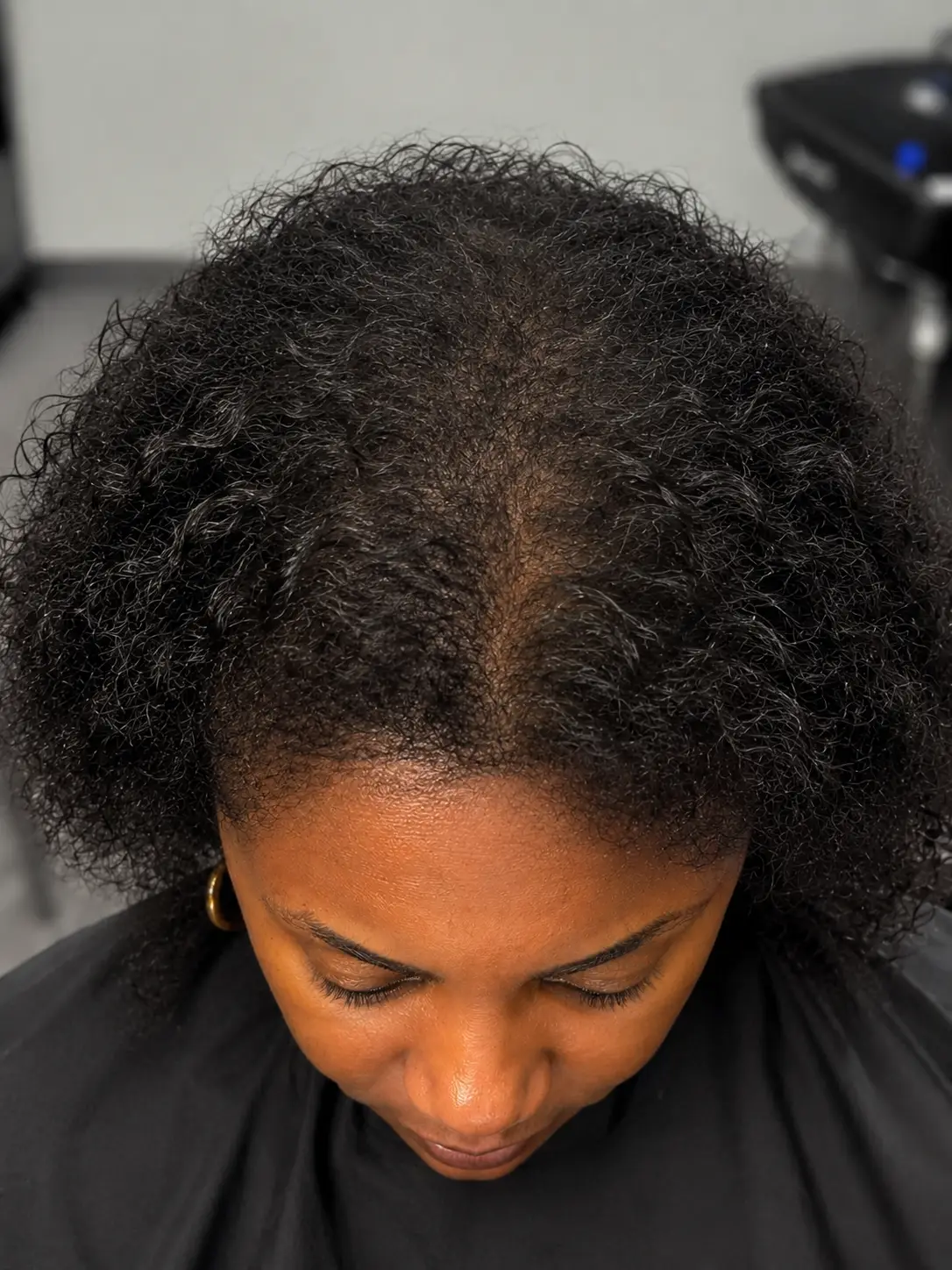
At Atlanta Trichology, certified trichologists document follicle density and miniaturization under 200x trichoscopy, and Dr. Nina Ross, the practitioner and architect of the practice, reads a full nutrient panel against functional targets. The correction gets built from your actual numbers rather than a generic hair vitamin.
Evidence
The Clinical Evidence
Iron is the most studied nutrient in hair loss research. Work published in the Journal of the American Academy of Dermatology by Trost, Bergfeld, and Calogeras reviewed the iron literature and supported ferritin thresholds well above the standard lower reference limit for women with telogen effluvium and pattern hair loss.
Vitamin D acts directly on the follicle. The vitamin D receptor is expressed in keratinocytes of the hair follicle, and receptor knockout models produce alopecia independent of circulating calcium. Multiple case-control studies report significantly lower serum 25-hydroxyvitamin D in women with telogen effluvium and female pattern hair loss than in matched controls.
Zinc deficiency disrupts the hair cycle through its role in protein synthesis and cell division. Reports in Annals of Dermatology document serum zinc levels significantly lower in alopecia areata and telogen effluvium patients, with improvement following correction in deficient cases.
The pattern across this literature is consistent. Correcting a documented deficiency helps. Supplementing a nutrient you are not short on does not. That is why we test before we prescribe.
Investment
What Testing and Treatment Cost
The $99 scalp evaluation includes 45 minutes with a certified trichologist and 200x trichoscopy. It tells us whether your pattern looks nutritional, hormonal, inflammatory, or mixed.
Comprehensive nutrient panels are ordered separately and are often billable through insurance or payable from an HSA or FSA. In-clinic sessions such as mesotherapy typically run $250 to $500 per visit, and most nutritional protocols use 4 to 8 sessions alongside the internal correction.
Call (678) 561-4522 for pricing and payment plan options.
Timeline
Correction Timeline
Hair grows about half an inch per month. Even a perfect correction needs months of runway before the mirror shows it.
Common Questions
Nutritional Hair Loss FAQ
Related
You May Also Want To Read

Condition
Traction Alopecia
Hair loss caused by tight hairstyles and chronic tension on the follicle.
Read more
Condition
Alopecia Areata
Autoimmune hair loss that appears as smooth, round patches on the scalp.
Read more
Condition
Central Centrifugal Cicatricial Alopecia (CCCA)
Scarring alopecia beginning at the crown, most common in Black women.
Read moreTreatment
Treatments for Nutritional Deficiency Hair Loss

Your hair is telling you something. Let's find out what.
A 30-minute evaluation. A certified trichologist. A 200x trichoscopy scan of your scalp. And real answers before you leave the building. Your next step is $99 and one appointment away.