
For Those Who Served
Your Service Took a Lot. It Should Not Take Your Hair.
Military life puts unique stress on your body and your hair. We understand the specific conditions veterans face, and we have the tools to help.
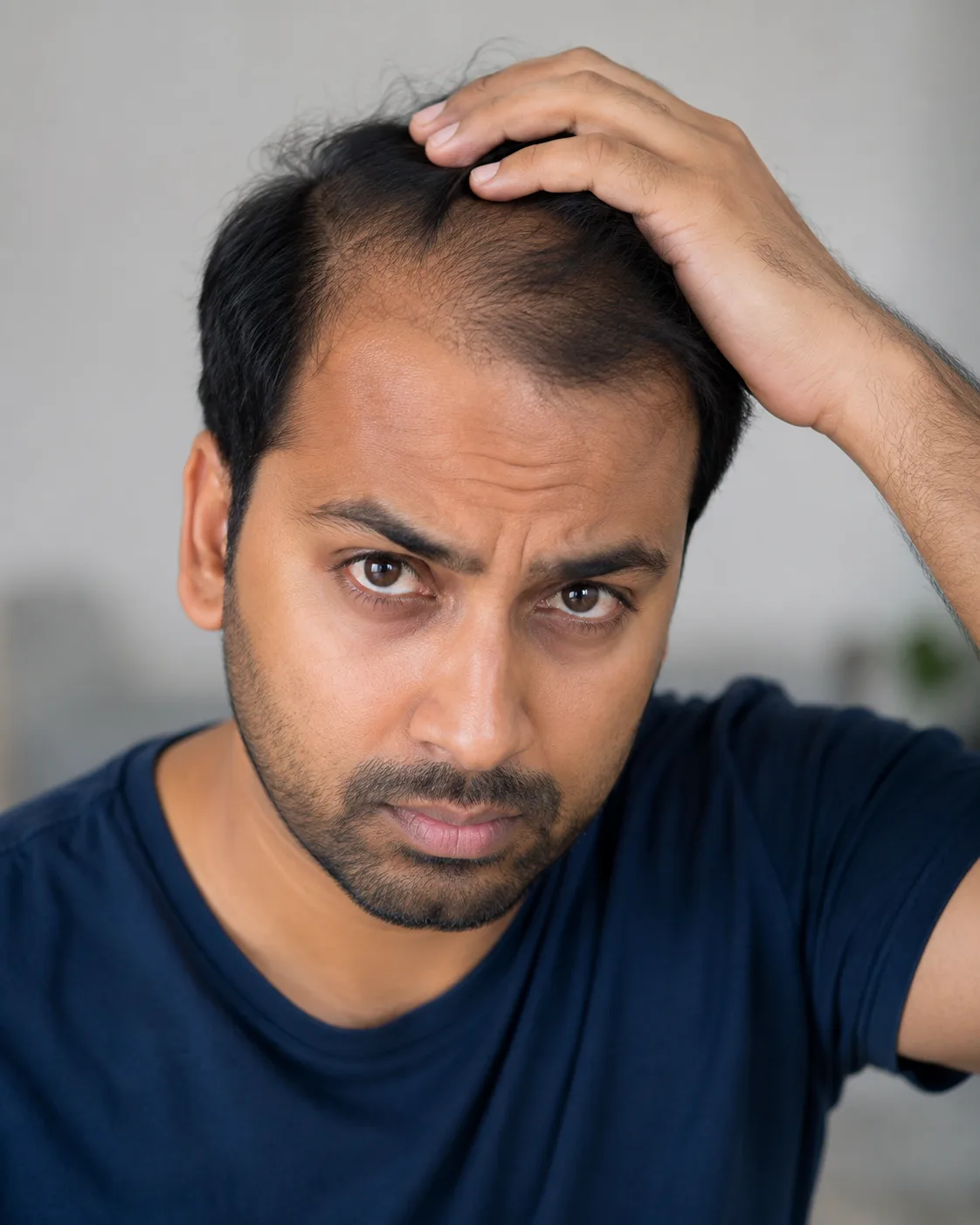
Why It Happens
Service-related hair loss has specific drivers.
Chronic Stress and Cortisol
Sustained cortisol elevation pushes follicles into the resting phase early. Shedding shows up two to three months after the stress peak, which is why the timing rarely feels connected.
Telogen Effluvium →Medication-Induced Shedding
Antidepressants, blood pressure medication, anticoagulants, and pain management prescriptions all appear on the shedding list. The medication is often necessary. The hair loss is still treatable.
Medication Hair Loss →Hormonal Shifts After Service
Thyroid changes, testosterone shifts, and metabolic changes during the transition to civilian life all alter the growth cycle. Bloodwork finds them.
Hormonal Hair Loss →Environmental Exposure
Deployment exposures, extreme climates, water quality changes, and nutritional gaps in the field leave measurable marks on the scalp and on lab panels.
Nutritional Deficiency →Traction from Helmets and Headgear
Years of helmets, straps, and tight regulation styles create sustained tension at the hairline and crown. Caught early, traction damage is reversible.
Traction Alopecia →How We Help
Measure first. Then treat.
Many of the veterans we see have been told their hair loss is "just stress" or "genetic." Sometimes it is. Often it is more complicated. Chronic cortisol elevation, years of helmet traction, environmental exposure, and medication effects can layer on top of each other. Trichoscopy lets us untangle those layers and see exactly what is driving the loss.
Your evaluation starts the same way it does for everyone: 45 minutes with a certified trichologist, full 200x trichoscopy imaging, and a personalized treatment roadmap. Dr. Nina Ross reviews your results and builds a protocol that factors in your full health picture, including any service-connected conditions and current medications. If bloodwork reveals hormonal or nutritional drivers, our functional medicine team catches it. Everything happens here.
Military service creates unique risk factors for hair loss. Chronic stress during deployment elevates cortisol levels, which can push follicles from the growth phase into telogen (shedding). Prolonged use of helmets and military headgear applies constant traction that damages the hairline, temples, and nape. Environmental exposure to chemicals, extreme heat, and desert conditions can irritate the scalp and trigger inflammatory hair loss. Medications prescribed for service-connected conditions, including antidepressants and blood pressure medications, may cause hair shedding as a side effect. At Atlanta Trichology, Dr. Nina Ross and our certified trichologists evaluate veterans using 200x trichoscopy to identify each contributing factor. Treatment protocols may include PRP injections, low-level laser therapy, mesotherapy, and scalp treatments alongside nutritional optimization. The $99 evaluation includes comprehensive scalp imaging and a personalized treatment plan.
Common in Veterans
Conditions we treat most.
Telogen Effluvium
Learn more →Medication Hair Loss
Learn more →Male Pattern Baldness
Learn more →Alopecia Areata
Learn more →Traction Alopecia
Learn more →Hormonal Hair Loss
Learn more →You served. Let us serve you back. $99 trichoscopy evaluation. 45 minutes. Call (678) 561-4522. We are at 8735 Dunwoody Place, Suite 290-O, Sandy Springs, GA 30350, inside the Nina Ross Functional Medicine building.
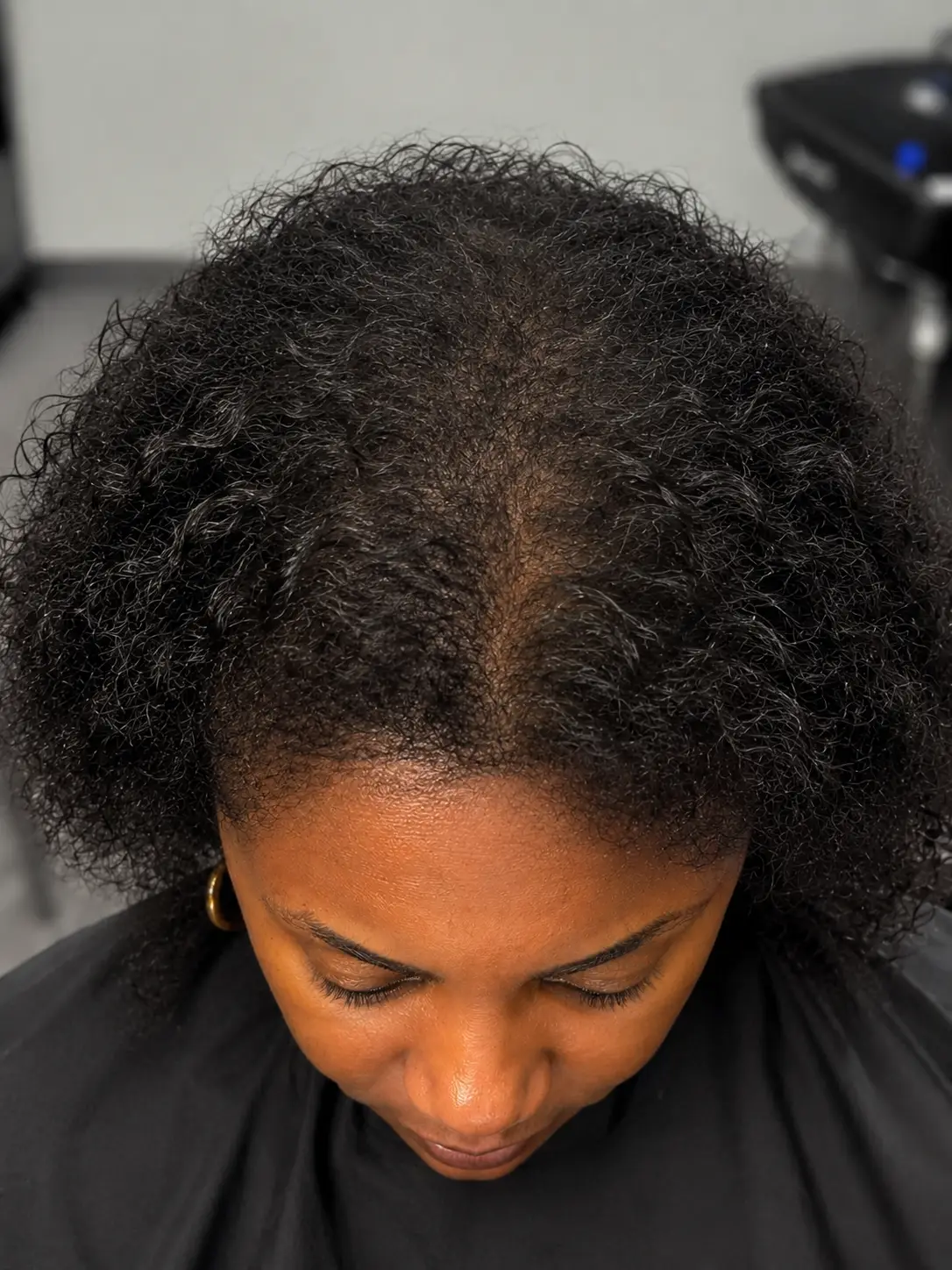
Your hair is telling you something. Let's find out what.
A 30-minute evaluation. A certified trichologist. A 200x trichoscopy scan of your scalp. And real answers before you leave the building. Your next step is $99 and one appointment away.