What microlinks actually are
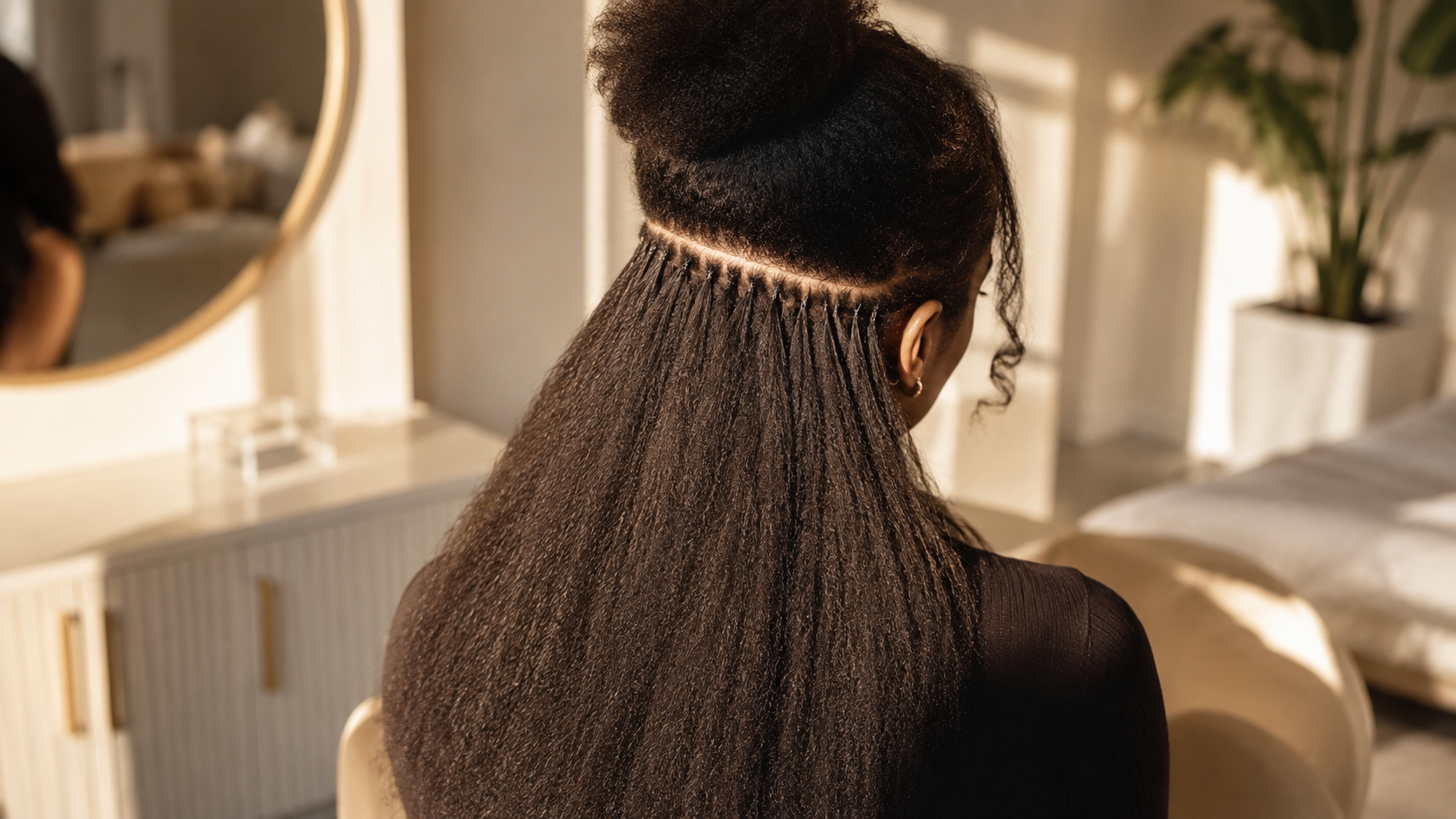
Microlinks, also called micro-beads or I-tips, attach extension hair using small silicone-lined beads clamped around tiny sections of your natural hair. No heat. No glue. No braiding. The bead slides onto the section, the extension strand sits inside it, and the bead gets crimped gently with pliers.
That installation method is the entire reason trichologists take them seriously. Every other common attachment system introduces heat, adhesive, or sustained tension across a braided track.
Why trichologists prefer them
From a trichological standpoint, microlinks distribute weight across many small points instead of loading it onto a braided foundation. No adhesive means no chemical contact with the scalp and no solvent removal later. The silicone lining reduces friction against the shaft, which matters because friction is what fractures the cuticle.
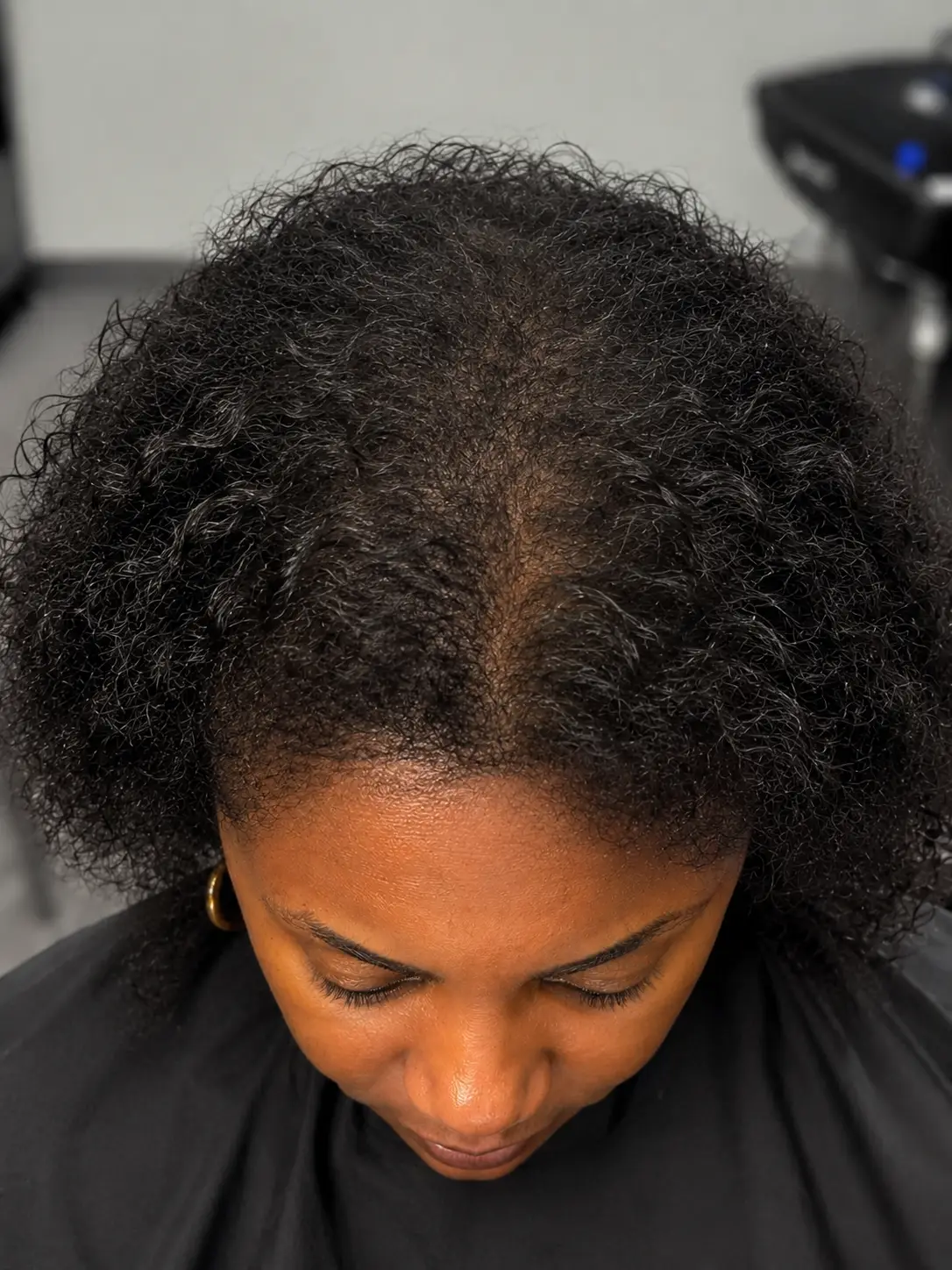
Sew-ins, tape-ins, and glued wefts remain the primary drivers of traction alopecia we document in clinic. The damage pattern is consistent: thinning at the temples, along the part, and at the nape where tension concentrates.
Who microlinks are for
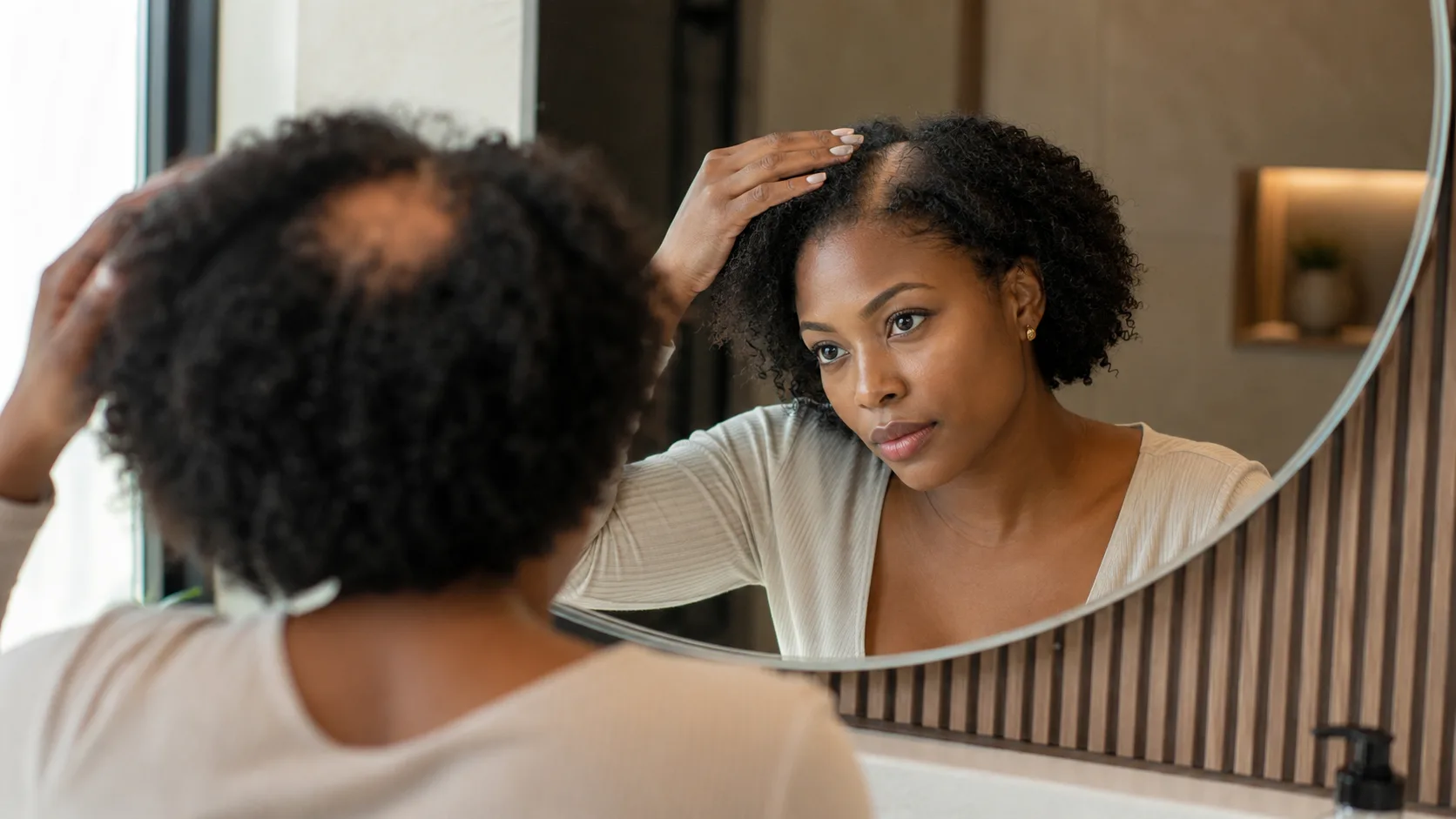
Microlinks work well for women with diffuse thinning who want volume while a treatment protocol runs. They are also a strong option for anyone transitioning away from traction-causing styles, because they add fullness without recreating the tension that caused the problem. Most hair textures accept them, including relaxed, natural, and color-treated hair. Women managing female pattern hair loss often use them as cosmetic cover during the first six months of treatment.
Who should avoid them
Anyone with active scarring alopecia should stay away until the inflammation is controlled. That includes CCCA and lichen planopilaris, where any additional follicular stress accelerates permanent loss. Density matters too. If the surrounding hair cannot support the weight of the extension strand, the link becomes a tension point instead of a solution. Very short hair is another disqualifier, since most systems need 3 to 4 inches of length to anchor safely. A trichoscopy scan settles candidacy in one visit.
Installation and maintenance
Professional installation takes 2 to 4 hours depending on how many links you need. Move-up appointments run every 6 to 8 weeks as your natural hair grows and the beads travel down the shaft. Daily maintenance is minimal. You wash and condition as normal, focusing shampoo at the scalp and conditioner from the beadline down.
Warning signs to watch for
Tenderness at the beadline. Small bumps or pustules where links sit. Visible thinning at attachment points. Persistent itching that shampooing does not resolve. Any of these means the links need assessment immediately. Traction damage caught in the first weeks is fully reversible. Caught after months, it may not be.
The trichological advantage
Before any extension system goes in, a 200x trichoscopy scan maps follicle density and flags areas of vulnerability. That prevents placing links on compromised follicles, which is how a protective style turns into a hair loss condition. After installation, follow-up scans monitor for early traction signs long before they show up in the mirror. For clients pairing extensions with active regrowth work, PRP therapy runs alongside the styling plan.
Get your scalp mapped first
A certified trichologist performs a 45-minute scalp evaluation with 200x trichoscopy for $99. You get a documented baseline before you commit to any extension system. Call (678) 561-4522. We are at 8735 Dunwoody Place, Suite 290-O, Sandy Springs, GA 30350.