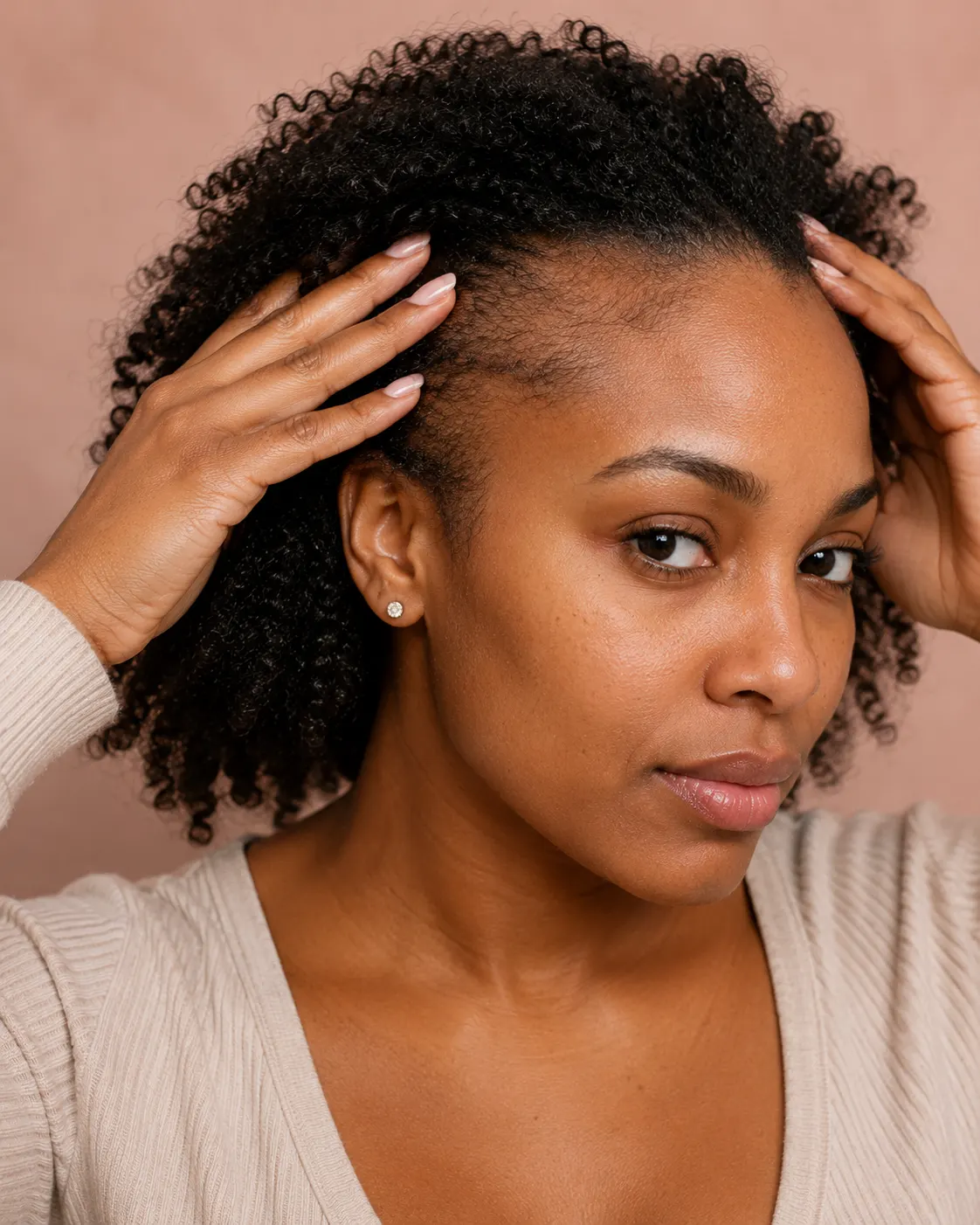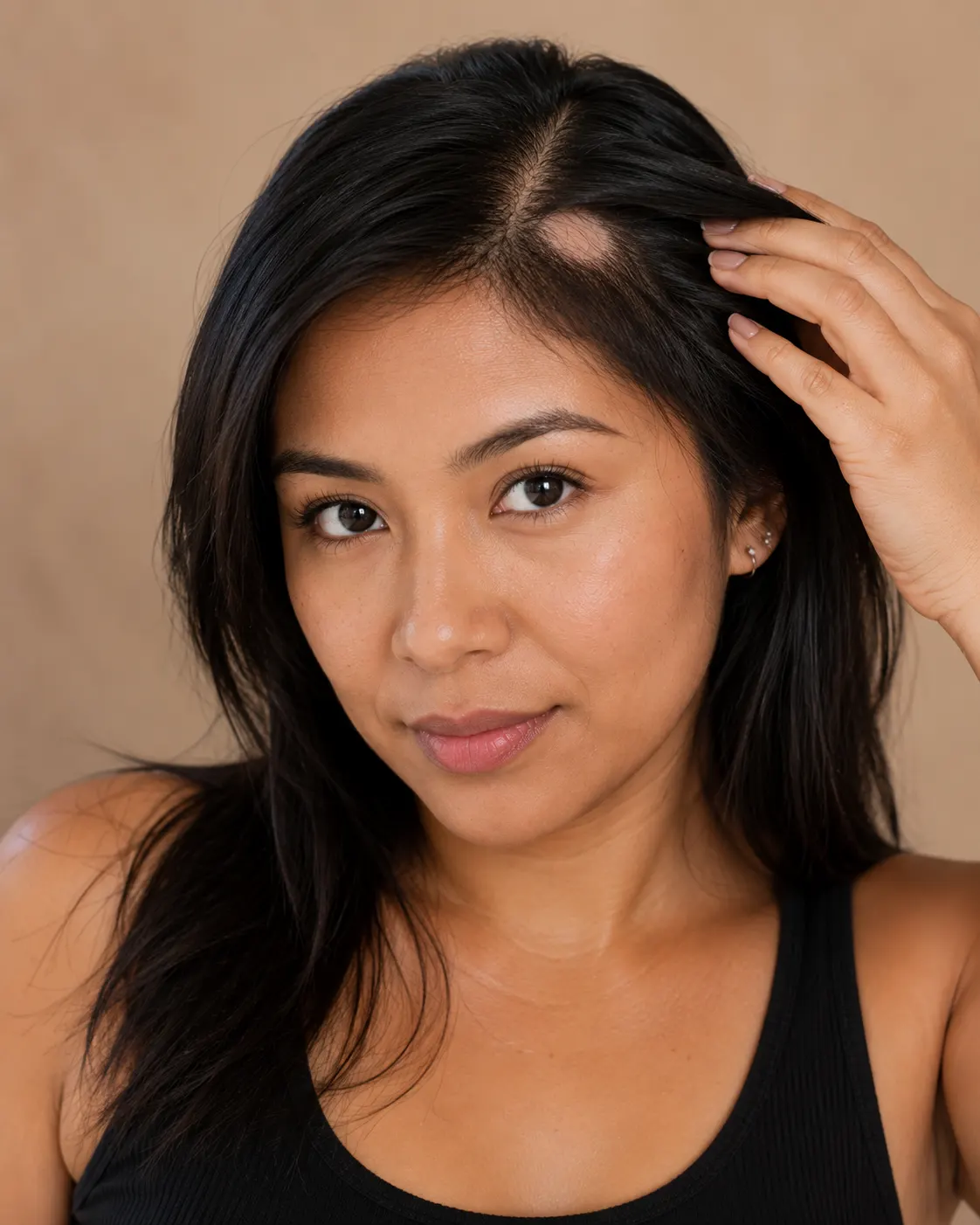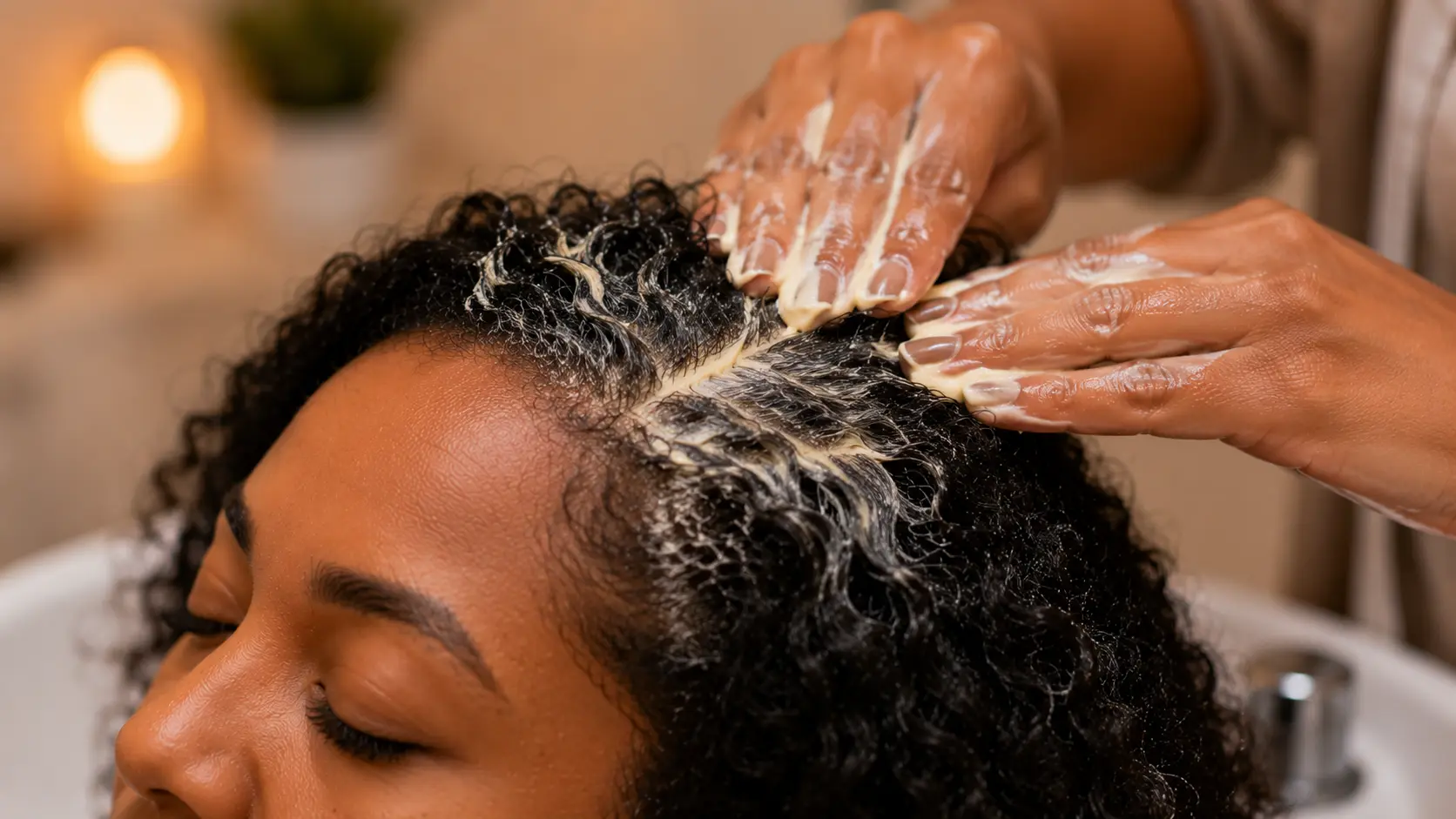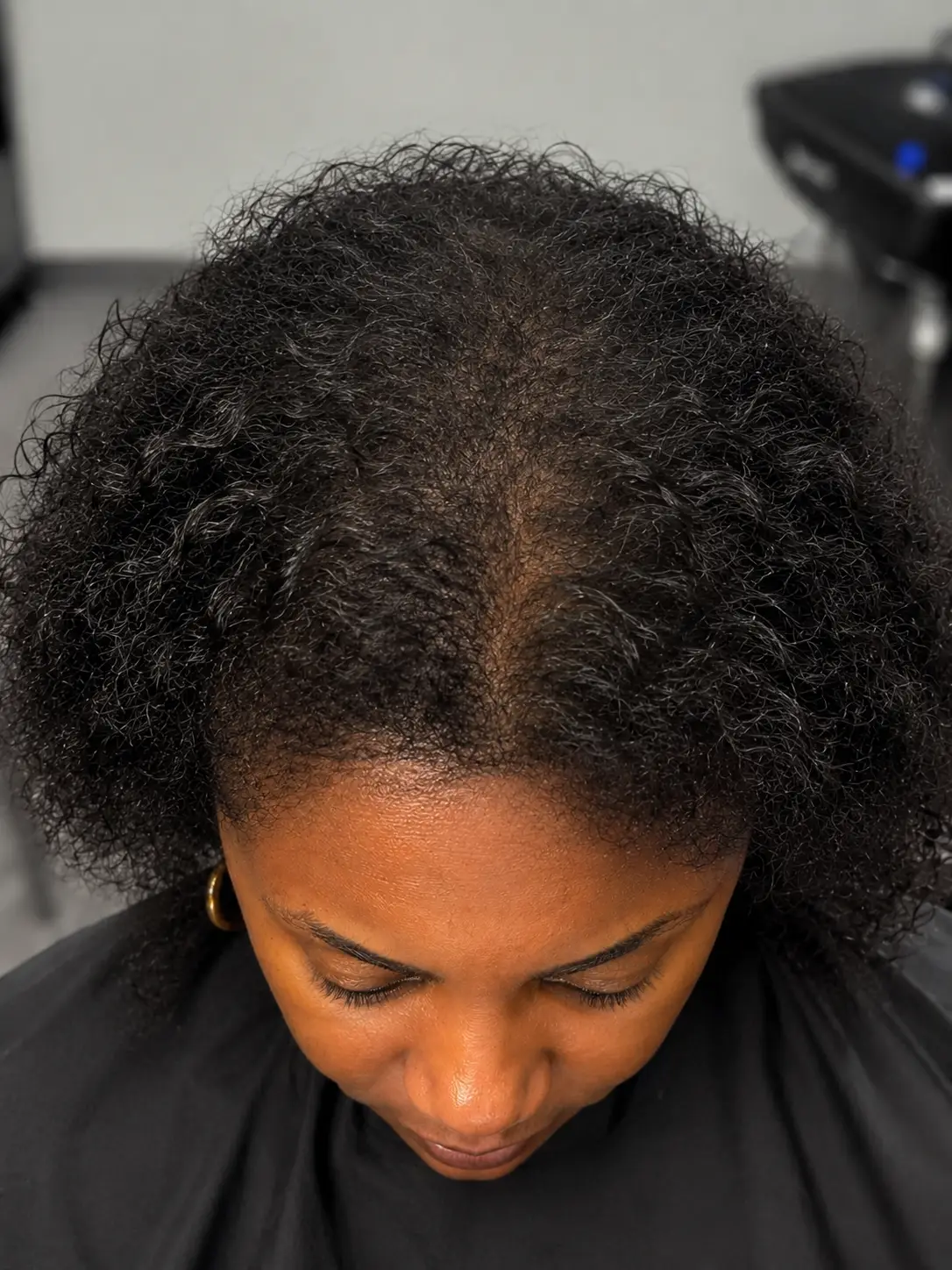
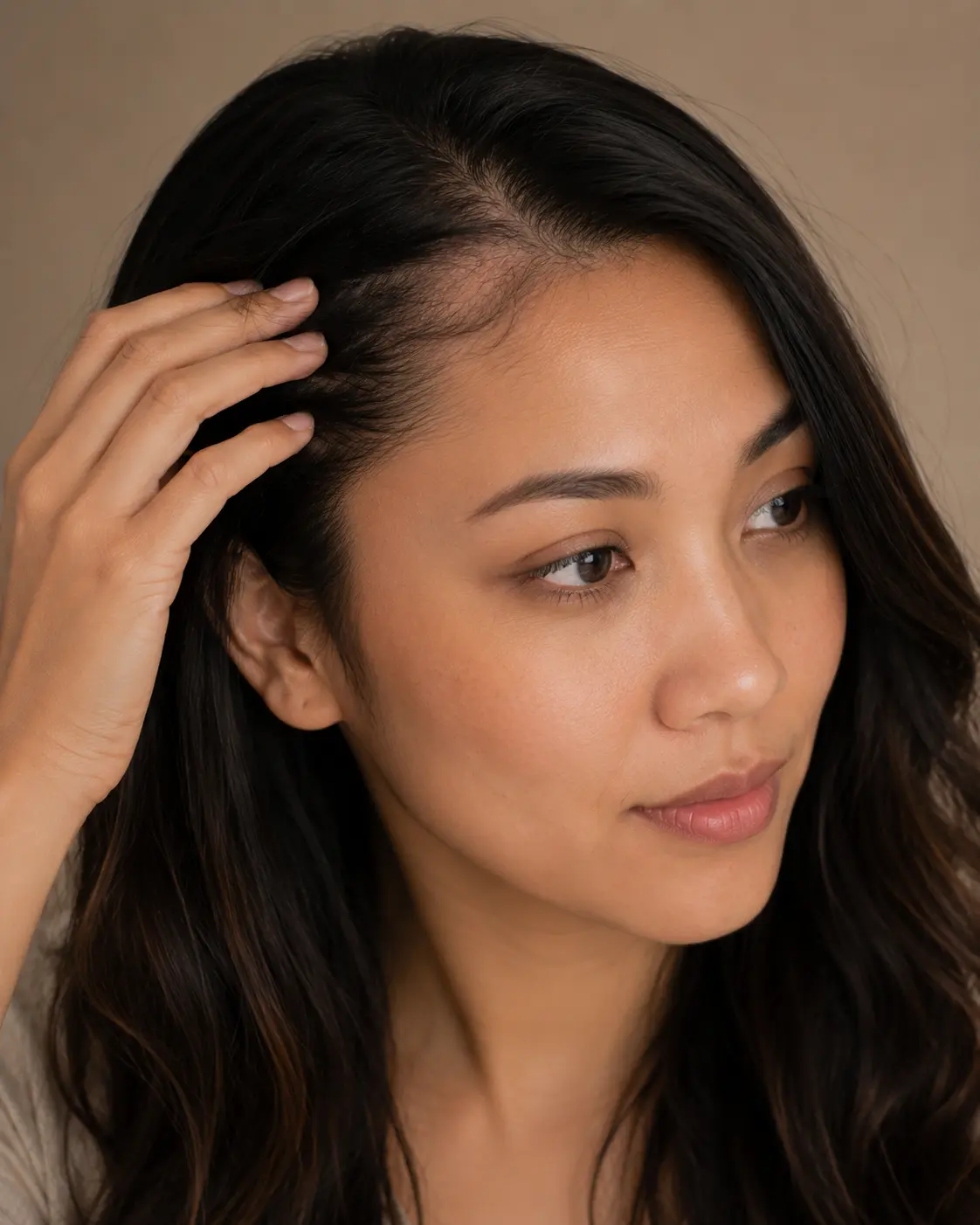
Certified trichologist performing trichoscopy evaluation for trichotillomania scalp damage at Atlanta Trichology in Sandy Springs GA
Fig. 01 · Trichotillomania (Hair Pulling)

Trichotillomania: Trichologist-Led Scalp Repair and Hair Regrowth After Hair Pulling

Compulsive hair pulling causing patchy loss.

Book your trichotillomania evaluation

Signs to Watch For

  • Irregular, patchy bald areas

  • Hairs of varying lengths

  • Tension relief from pulling

  • Skin irritation or scarring

  • Affected eyebrows or lashes

How We Treat Trichotillomania (Hair Pulling)

Follicle reactivation through laser therapy and PRP, paired with referrals for behavioral support.

Explore our treatment methods
What Is Trichotillomania?

Trichotillomania (hair pulling disorder) is a body-focused repetitive behavior classified in the DSM-5 under obsessive-compulsive and related disorders. People with trichotillomania experience recurrent, sometimes irresistible urges to pull hair from the scalp, eyebrows, eyelashes, or other body sites. The pulling can be focused (deliberate, with full awareness) or automatic (unconscious, often while reading, watching TV, or falling asleep). Trichotillomania affects an estimated 1 to 2% of the population, though the actual prevalence is likely higher because shame and secrecy prevent many people from seeking help. The condition affects all ages and backgrounds, with typical onset between ages 10 and 13. Repeated pulling damages the hair follicle over time, and long-term trichotillomania can cause permanent follicle scarring if left unaddressed.

At Atlanta Trichology, certified trichologists evaluate trichotillomania-related scalp damage with trichoscopy, a 200x magnification imaging system that reveals follicle health at a level invisible to the naked eye. Trichoscopy identifies which follicles are still viable and capable of regrowth, which follicles show structural damage from repeated extraction (distorted follicular openings, broken hair shafts at varying lengths, perifollicular hemorrhage), and which areas have progressed to fibrotic scarring where regrowth is no longer possible. This follicle-level assessment is the foundation of every treatment plan. It tells you and your trichologist exactly what your scalp can recover and where to focus treatment energy.

Dr. Nina Ross designed the trichotillomania scalp repair protocol at Atlanta Trichology to work alongside behavioral therapy, not replace it. Atlanta Trichology does not treat the behavioral component of trichotillomania. That work belongs to a licensed therapist specializing in habit reversal training (HRT), comprehensive behavioral treatment (ComB), or acceptance and commitment therapy (ACT). What Atlanta Trichology treats is the scalp: repairing follicle damage, reducing inflammation from repeated trauma, stimulating regrowth in viable follicles, and restoring hair density in areas cleared by pulling. Many patients pursue both tracks simultaneously, addressing the behavior with their therapist while rebuilding their hair with their trichologist.

How We Treat Trichotillomania Scalp Damage

The treatment goal at Atlanta Trichology is scalp repair and hair regrowth in follicles that remain viable after pulling damage. Your certified trichologist selects from these approaches based on trichoscopy findings, the duration and severity of pulling history, and whether you are currently in behavioral treatment:

Every treatment at Atlanta Trichology is delivered in a judgment-free clinical environment. Your trichologist understands that trichotillomania is a neurological condition, not a choice. The $99 trichoscopy evaluation provides a private, compassionate assessment of your follicle health and a clear picture of what regrowth is possible.

Can Hair Grow Back After Trichotillomania?

Hair regrowth after trichotillomania depends on the duration and severity of pulling and the current state of the follicles. Short-term or intermittent pulling rarely causes permanent follicle damage. The follicles recover once pulling stops, and hair grows back normally. Long-term, repeated pulling from the same areas can damage the follicle structure and eventually cause fibrotic scarring (replacement of the follicle with scar tissue). Scarred follicles cannot produce new hair. The critical clinical question is which follicles are still viable, and only trichoscopy can answer that definitively.

A study published in the Journal of the American Academy of Dermatology found that trichoscopic evaluation of trichotillomania patients revealed a spectrum of follicle states: normal follicles in unaffected areas, dystrophic (damaged) follicles with distorted openings and broken shafts in active pulling zones, and fibrotic (scarred) follicles in areas of long-term pulling. The dystrophic follicles responded to treatment and produced regrowth. The fibrotic follicles did not. This spectrum is why trichoscopy is essential before beginning any regrowth protocol.

Research in the International Journal of Trichology demonstrated that combination therapies (photobiomodulation plus growth factor delivery) produced statistically significant improvements in hair density in patients with follicle damage from repeated mechanical trauma. While this study addressed mechanical alopecia broadly, the mechanism of damage (repeated extraction force on the follicle) mirrors the damage pattern in trichotillomania.

A 2019 study published in the Annals of Clinical Psychiatry found that N-acetylcysteine (NAC), a glutamate-modulating supplement, reduced pulling urges in a subset of trichotillomania patients. While NAC does not repair follicle damage directly, reducing pulling frequency protects follicles from further trauma and gives scalp repair treatments time to work. This supports the combined approach used at Atlanta Trichology: behavioral management (with your therapist) plus follicle repair (with your trichologist).

Long-term follow-up studies have shown that patients who begin scalp repair treatment while actively engaged in behavioral therapy achieve better hair density outcomes than patients who wait until pulling has fully stopped. The rationale: follicles continue to accumulate damage during active pulling, and intervening earlier preserves more viable follicles for regrowth. Trichoscopy monitoring at regular intervals tracks follicle recovery and alerts the treatment team if pulling has resumed in a previously healing zone.

How Much Does Trichotillomania Scalp Treatment Cost?

Trichotillomania scalp repair at Atlanta Trichology is priced per session within your personalized protocol. The cost depends on the extent of scalp damage, which treatments your trichologist recommends based on trichoscopy, and whether functional medicine evaluation from Dr. Ross is indicated.

Most trichotillomania patients require a combination of treatments to address both surface-level scalp repair and deeper follicle stimulation. A typical protocol includes laser therapy, PRP or microneedling (or both), and scalp mask therapy. The number of sessions depends on the size of the affected area and the proportion of viable versus scarred follicles identified on trichoscopy.

Nationally, dermatologist visits for hair loss cost $200 to $400 per consultation, and PRP treatments range from $500 to $1,500 per session at dermatology practices. Behavioral therapy for trichotillomania (CBT, HRT, or ComB) typically runs $150 to $300 per session with a specialist. These are separate and complementary costs. Atlanta Trichology addresses the scalp repair side; your therapist addresses the behavioral side.

Start with the $99 trichoscopy evaluation. Your certified trichologist scans the affected areas at 200x magnification, maps which follicles are viable and which have scarred, and builds a treatment plan with clear pricing. This evaluation is private, judgment-free, and gives you an honest assessment of what regrowth your scalp can support.

Trichotillomania Scalp Repair: What to Expect

  1. 01

    Sessions 1-2 (Weeks 1-2)

    Comprehensive trichoscopy mapping of all pulling-affected zones. Your trichologist classifies each area as active pulling zone, recovering zone, or scarred zone. Follicle viability is assessed across the entire scalp. If functional medicine evaluation is indicated, bloodwork is drawn for nutrient and inflammatory marker analysis. You leave with a clear map of what can recover and a realistic timeline.

  2. 02

    Sessions 3-8 (Weeks 3-10)

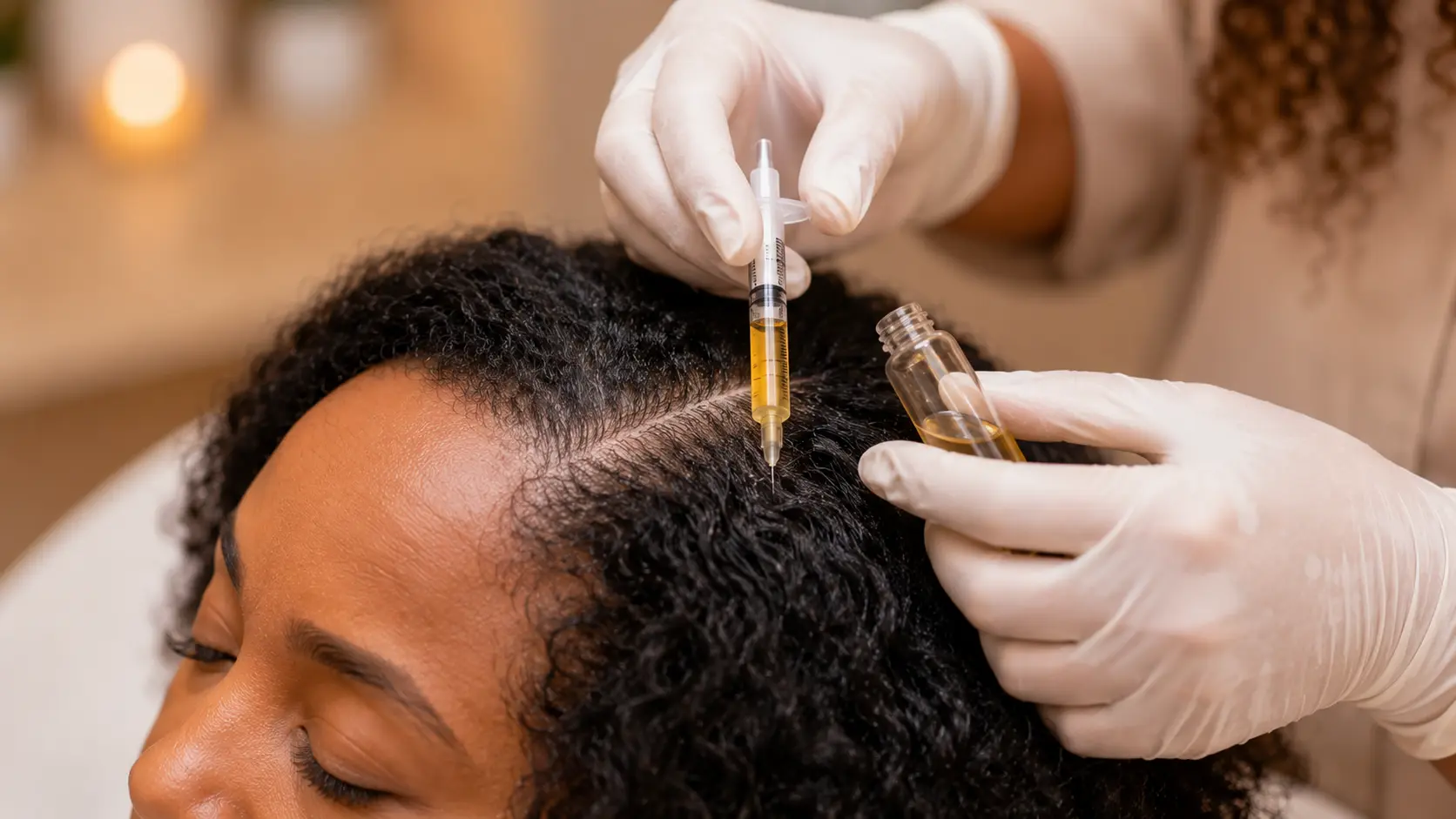
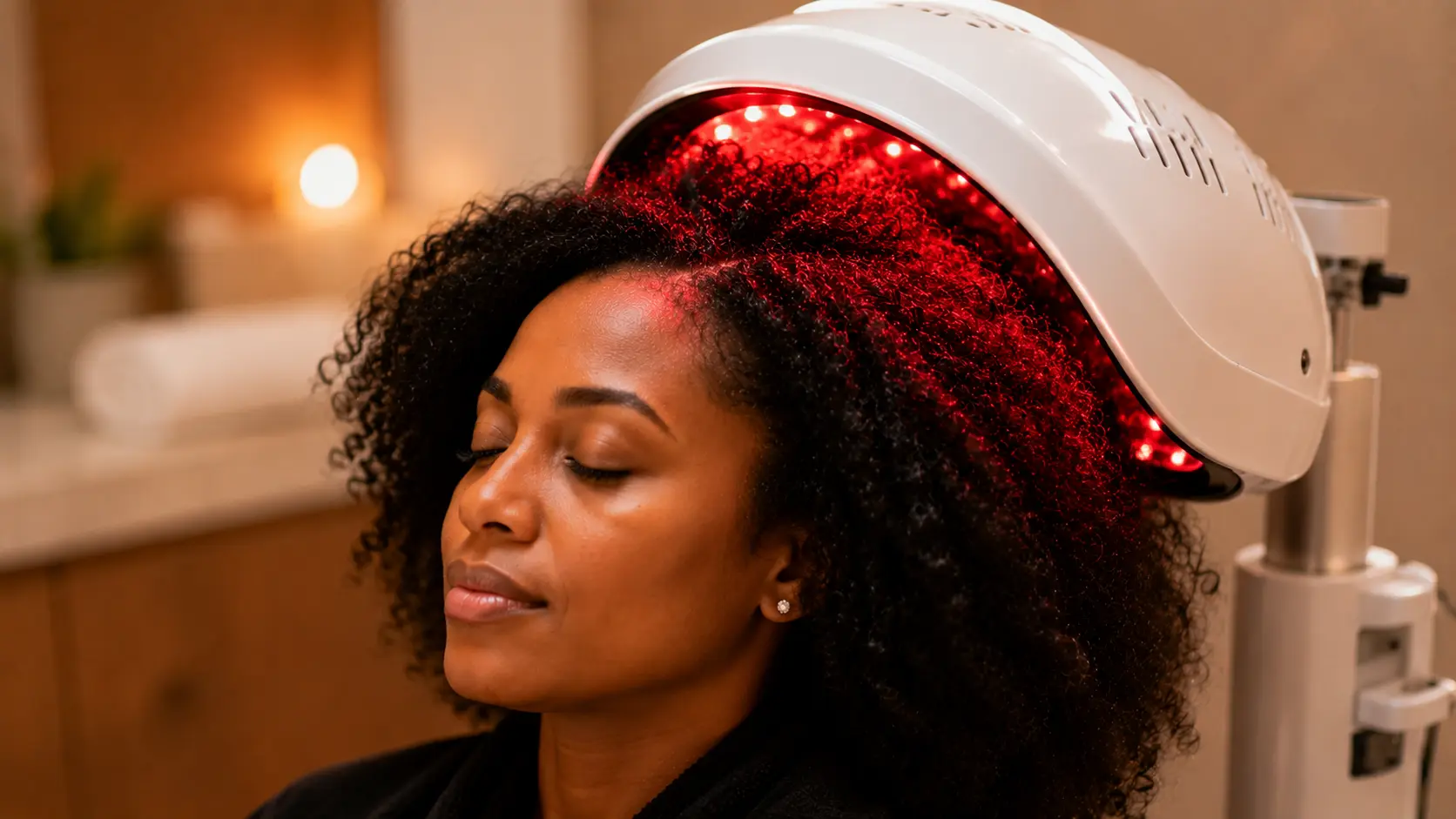
    Active scalp repair begins. Laser therapy sessions reduce inflammation and stimulate dormant follicles. PRP and/or microneedling target zones with the highest concentration of viable but damaged follicles. Scalp masks restore surface barrier health. Most patients notice reduced scalp tenderness and early signs of follicle activity (tiny vellus hairs emerging in previously bare areas).

  3. 03

    Sessions 9-14 (Weeks 11-18)

    Vellus hairs thicken and lengthen in responsive zones. Trichoscopy follow-up confirms follicle recovery trajectory and identifies any new pulling activity. Treatment may be adjusted based on which areas are responding fastest. Patients often report a positive feedback loop: seeing regrowth reinforces the behavioral work they are doing with their therapist.

  4. 04

    Sessions 15+ (Months 5-12)

    Terminal hair density continues to improve in viable zones. Areas of fibrotic scarring remain stable (no regrowth, but no worsening). Maintenance sessions transition to monthly or as-needed frequency. Ongoing trichoscopy monitoring provides accountability and early detection if pulling resumes in a recovering zone.

Trichotillomania scalp repair timelines are highly individual and depend on pulling history duration, current pulling status, and the ratio of viable to scarred follicles. Patients actively engaged in behavioral therapy alongside scalp repair typically see faster and more sustained results. Your trichologist coordinates progress updates with your therapist (with your consent) for integrated care.

Comparing Trichotillomania Scalp Treatment Options

Feature
Diagnostic imaging
Trichoscopy at 200x magnification with follicle viability mapping
Follicle viability assessment
Maps viable, damaged, and scarred follicles across all affected zones
Active regrowth therapy
Laser therapy, PRP, microneedling, mesotherapy, scalp masks
Behavioral therapy integration
Coordinates with your therapist; does not replace behavioral treatment
Judgment-free environment
Trichologists trained in trichotillomania presentation and scalp repair
Progress tracking
Trichoscopy at each milestone with before/after follicle imaging
Nutritional support
Functional medicine bloodwork with targeted supplementation (NAC, zinc, B vitamins, ferritin)
Atlanta Trichology Protocol
Diagnostic imaging
Visual inspection; biopsy in some cases
Follicle viability assessment
Biopsy of a single site (may not represent the full picture)
Active regrowth therapy
Topical minoxidil, steroid injections in some cases
Behavioral therapy integration
May refer to psychiatry; typically does not coordinate
Judgment-free environment
Varies by practice
Progress tracking
Visual assessment at follow-up visits
Nutritional support
May recommend supplements; typically no comprehensive bloodwork
Dermatologist
Diagnostic imaging
None
Follicle viability assessment
Unknown until regrowth happens or doesn't
Active regrowth therapy
Relies on natural regrowth after pulling stops
Behavioral therapy integration
N/A
Judgment-free environment
N/A
Progress tracking
Self-assessment only
Nutritional support
None
No Scalp Treatment
Diagnostic imaging
Follicle viability assessment
Active regrowth therapy
Behavioral therapy integration
Judgment-free environment
Progress tracking
Nutritional support

Swipe to compare · 4 options

Atlanta Trichology treats the scalp damage caused by trichotillomania. We do not treat the pulling behavior itself. Behavioral therapy (habit reversal training, comprehensive behavioral treatment, or acceptance and commitment therapy) with a licensed specialist is the evidence-based approach for addressing the urge to pull. The best outcomes happen when both tracks run simultaneously.

Trichotillomania: Common Questions

Will hair grow back after trichotillomania?

Hair can grow back after trichotillomania if the follicles have not been permanently scarred. Short-term or intermittent pulling rarely destroys follicles. The hair grows back once pulling stops, sometimes within a few growth cycles (3 to 6 months). Long-term, repeated pulling from the same spots can cause fibrotic scarring, which permanently closes the follicle. The only way to know which category your follicles fall into is trichoscopy imaging. At Atlanta Trichology, certified trichologists scan pulling-affected areas at 200x magnification to classify every follicle as viable (capable of regrowth), damaged (needs treatment support to recover), or scarred (permanently closed). This map is the foundation of your treatment plan and gives you an honest, evidence-based answer about regrowth potential.

What causes trichotillomania?

Trichotillomania is a neurological condition, not a habit, a choice, or a sign of weakness. Research suggests it involves differences in brain pathways related to impulse control, reward processing, and sensory regulation. Genetics play a role: trichotillomania runs in families and has been linked to variations in the SLITRK1 gene and other neurodevelopmental markers. Stress, anxiety, boredom, and sensory-seeking behavior are common triggers, but they do not cause the condition. They activate an underlying neurological predisposition. At Atlanta Trichology, we focus on the scalp consequences of trichotillomania. For the behavioral and neurological treatment, a licensed therapist specializing in body-focused repetitive behaviors provides the evidence-based care you need.

Is trichotillomania related to OCD?

Trichotillomania is classified in the DSM-5 under 'obsessive-compulsive and related disorders,' placing it in the same diagnostic family as OCD, excoriation (skin picking) disorder, and body dysmorphic disorder. However, trichotillomania is distinct from classic OCD. OCD involves intrusive thoughts (obsessions) followed by ritualistic behaviors (compulsions) to reduce anxiety. Trichotillomania involves a sensory-driven urge to pull that may or may not be accompanied by obsessive thoughts. The treatments overlap in some areas (both respond to cognitive behavioral therapy approaches), but the specific behavioral interventions differ. Habit reversal training (HRT) and comprehensive behavioral treatment (ComB) are the frontline behavioral therapies for trichotillomania specifically.

How does trichoscopy help with trichotillomania?

Trichoscopy provides three critical pieces of information for trichotillomania patients. First, it identifies the diagnostic markers of pulling damage: hair shafts broken at varying lengths (a hallmark of extraction rather than shedding), coiled or twisted hairs trapped beneath the surface, black dots (hair shafts broken at the scalp surface), flame hairs, V-sign hairs, and tulip hairs. Second, it maps follicle viability across every affected zone, separating recoverable follicles from permanently scarred ones. Third, it establishes a photographic baseline that tracks recovery over time and detects any resumption of pulling before it becomes visually obvious. At Atlanta Trichology, trichoscopy is performed at every visit so your trichologist can objectively measure your scalp's healing trajectory.

Can you treat trichotillomania scalp damage while still pulling?

Yes. Scalp repair treatment can begin before pulling has fully stopped. The clinical rationale is straightforward: viable follicles continue to accumulate damage during active pulling, and earlier intervention preserves more follicles for eventual regrowth. Treatment supports the behavioral work by creating visible hair recovery that reinforces the motivation to reduce pulling. Your trichologist monitors progress with trichoscopy and adjusts the protocol based on current pulling activity. If trichoscopy reveals that a previously healing zone has experienced new pulling, the treatment plan adapts accordingly. The ideal scenario is simultaneous care: behavioral therapy to address pulling and trichology treatment to repair and protect the scalp.

What is the crinkly hair strand feeling in trichotillomania?

Many people with trichotillomania describe seeking out specific hair textures to pull: coarse, wiry, crinkly, or kinked strands that feel different from the surrounding hair. These textural differences often result from follicle damage caused by prior pulling. When a follicle is repeatedly traumatized, it can produce hair with an altered cross-section (oval or flattened rather than round), altered cuticle structure, or altered growth angle. The irony is that pulling creates the very texture that triggers more pulling. At Atlanta Trichology, trichoscopy identifies these structurally altered hairs and the underlying follicle distortion causing them. Scalp repair treatments (laser therapy, PRP, microneedling) work to normalize follicle structure, which can reduce the production of texturally distinct strands over time.

Does NAC help with trichotillomania?

N-acetylcysteine (NAC) is a glutamate-modulating amino acid supplement that has shown promise in clinical research for reducing hair pulling urges. A randomized controlled trial published in the Archives of General Psychiatry found that NAC significantly reduced pulling behavior compared to placebo in adult trichotillomania patients over 12 weeks. NAC works by modulating glutamate signaling in the brain's reward and habit pathways. Results vary by individual, and NAC is not effective for everyone. At Atlanta Trichology, Dr. Nina Ross includes NAC evaluation as part of the functional medicine assessment for trichotillomania patients, alongside other nutrients that support both neurological function and follicle repair. NAC supplementation is always coordinated with your behavioral therapist's treatment plan.

How is trichotillomania different from traction alopecia?

Trichotillomania and traction alopecia both involve mechanical force on the hair follicle, but the mechanism differs completely. Traction alopecia results from prolonged tension from hairstyles (tight braids, ponytails, extensions) that gradually weakens follicles along the hairline and part lines. Trichotillomania results from direct extraction of hair from the follicle. Traction alopecia follows predictable patterns along tension lines. Trichotillomania creates irregular patches that may appear anywhere on the scalp. Trichoscopy easily distinguishes the two conditions. Traction alopecia shows follicular miniaturization along hairlines with preserved follicular openings. Trichotillomania shows broken shafts at varying lengths, black dots, and characteristic hair morphologies (flame, tulip, V-sign) that indicate extraction. Atlanta Trichology treats both conditions but with different protocols tailored to the specific damage pattern.

BEGIN

Your hair is telling you something. Let's find out what.

A 30-minute evaluation. A certified trichologist. A 200x trichoscopy scan of your scalp. And real answers before you leave the building. Your next step is $99 and one appointment away.