
Condition
Pityriasis Amiantacea Treatment in Atlanta: Thick Scalp Scaling and Hair Loss
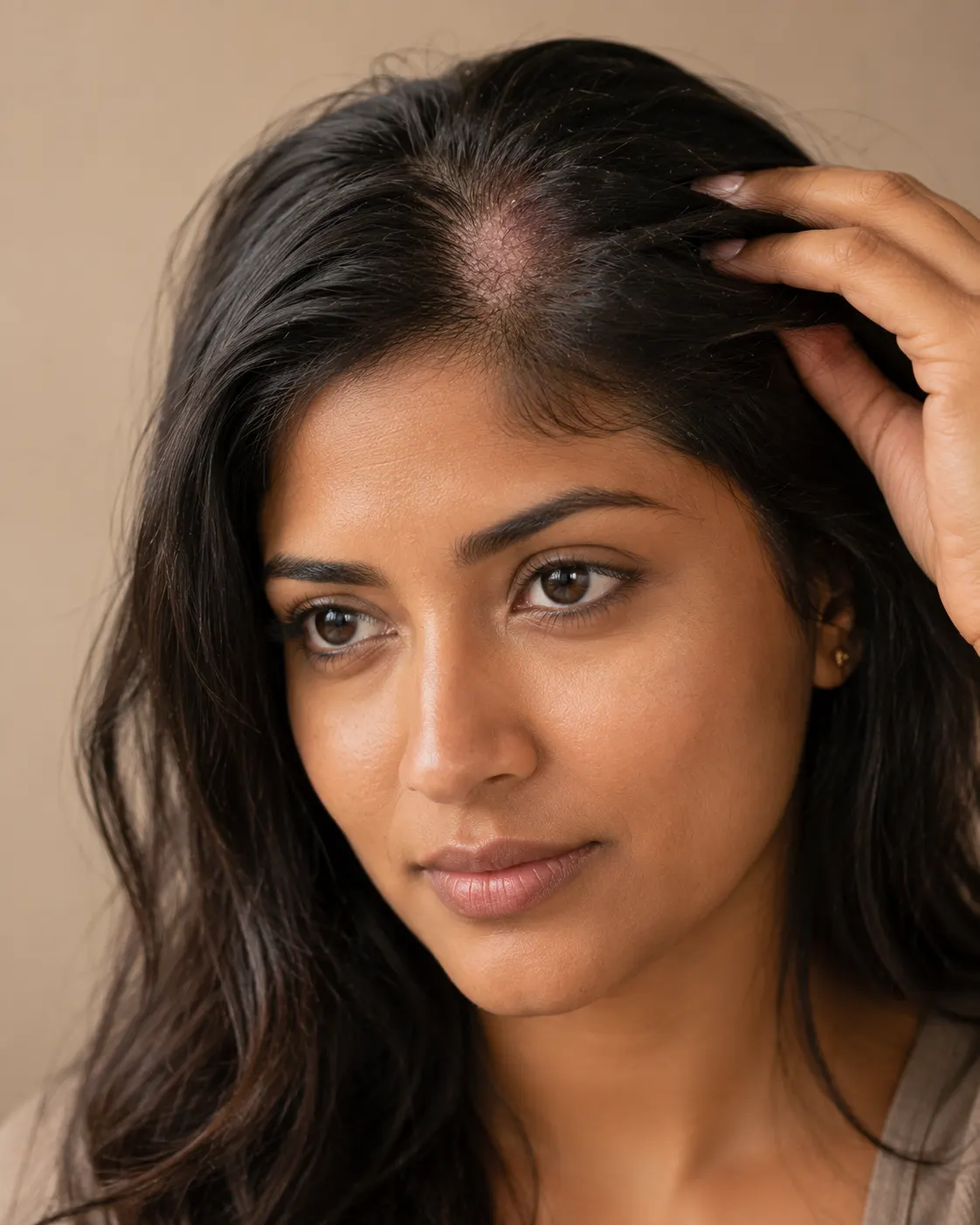
Thick, asbestos-like scalp scales that bind to hair shafts and cause breakage and loss.
Find Out What Is Driving Your Scalp ScalingOur Approach
How We Treat Pityriasis Amiantacea
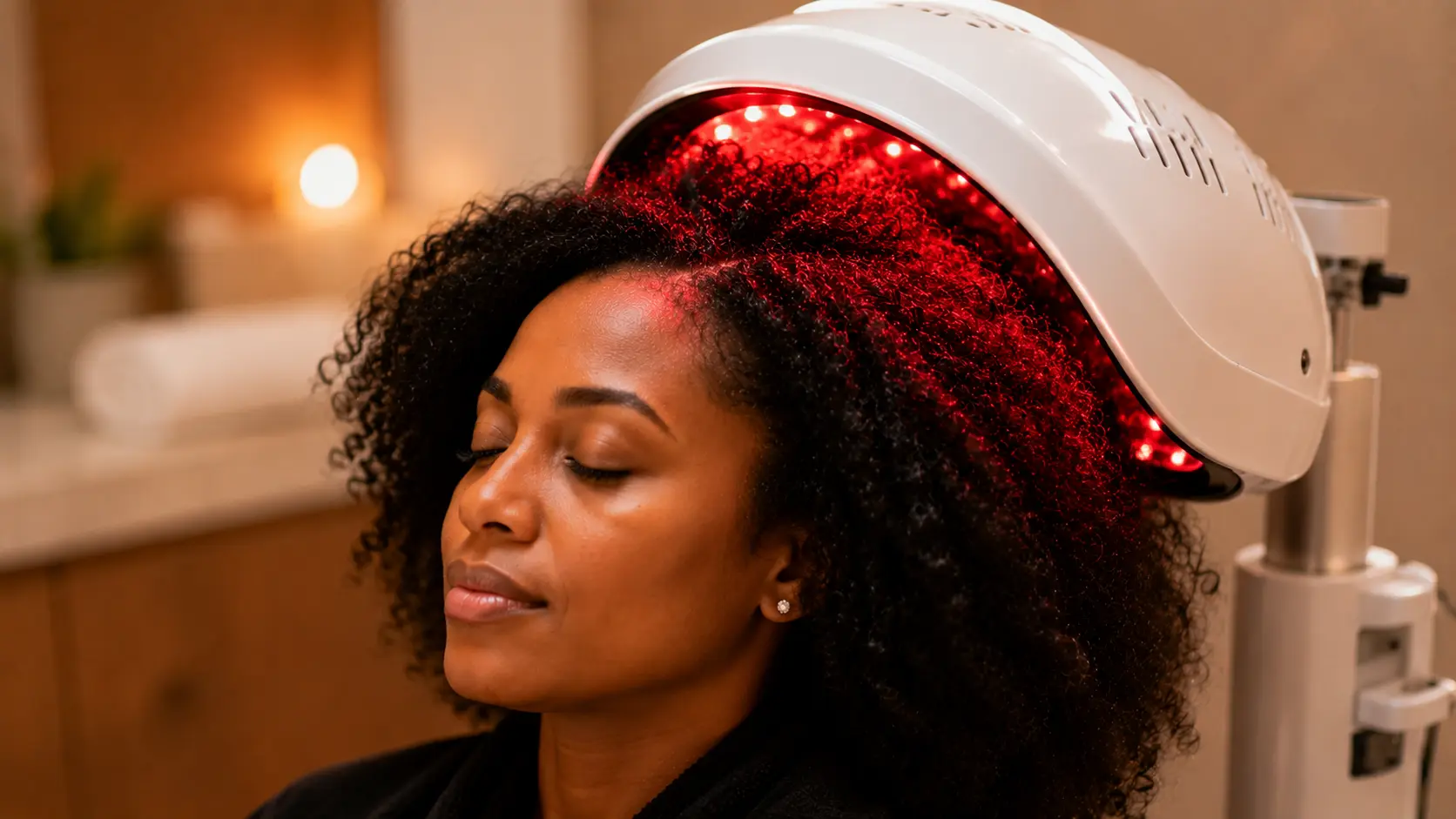
Treatment starts by pinpointing what is driving the scaling. Once we know whether it is psoriasis, dermatitis, or another condition, we build the plan. Our team uses gentle descaling protocols combined with scalp steam therapy to soften and lift the buildup without pulling out more hair. Then we treat the root cause with anti-inflammatory therapies and targeted scalp treatments to keep it from coming back.
Explore our treatment methods
What Pityriasis Amiantacea Actually Is
Pityriasis amiantacea is a scalp condition where thick, silvery-white scales wrap tightly around hair shafts and adhere to the scalp surface. The scales resemble asbestos fibers, which is where the name comes from. When these scales are removed, they often pull hair out at the root. PA is not a disease on its own. It is a visible sign of an underlying inflammatory condition, most commonly scalp psoriasis, seborrheic dermatitis, or lichen planopilaris. Treatment requires identifying and addressing that underlying cause. At Atlanta Trichology, our trichoscopy evaluation uses 200x magnification to see beneath the scale buildup and identify the source condition. Dr. Nina Ross, our in-house practitioner, designs individualized treatment protocols that clear the scaling and target the inflammation driving it. Treatments may include scalp steam therapy for gentle descaling, anti-inflammatory topicals, laser therapy, and mesotherapy for nutrient delivery. The $99 evaluation covers 45 minutes of imaging and assessment. (678) 561-4522.
It is a clinical sign rather than a standalone disease. Published case series in the British Journal of Dermatology attribute most presentations to scalp psoriasis, seborrheic dermatitis, lichen planopilaris, or bacterial and fungal infection. Roughly 2 to 15 percent of cases progress to scarring alopecia when the underlying inflammation runs unchecked, which makes early identification the priority.
At Atlanta Trichology, a certified trichologist maps the scaling under 200x trichoscopy, distinguishes the pattern driving it, and separates hair that broke from hair the follicle stopped producing. The $99 evaluation runs 45 minutes and produces a documented baseline you can measure against.
Evidence
The Clinical Evidence
Pityriasis amiantacea was first described in 1832 by Alibert and remains a recognized clinical entity in current dermatology texts. Case series consistently identify psoriasis as the single most common underlying driver, followed by seborrheic dermatitis and tinea capitis.
A study in the Journal of the European Academy of Dermatology and Venereology examined patients presenting with amiantacea-type scaling and found identifiable underlying inflammatory scalp disease in the large majority of cases. Hair loss in the affected patches was primarily traction and breakage from scale removal, with follicular scarring appearing only in longstanding cases.
Trichoscopy adds diagnostic precision. Literature in Skin Appendage Disorders documents that perifollicular scaling, follicular plugging, and the presence or absence of follicular ostia reliably separate reversible inflammatory scaling from scarring alopecia, and that separation determines whether regrowth is realistic.
Our protocol follows that evidence. Certified trichologists document the scalp under magnification, Dr. Nina Ross designs the internal anti-inflammatory protocol from lab data, and follow-up scans confirm whether follicular openings are reopening.
Investment
What Treatment Costs
The scalp evaluation is $99 and runs 45 minutes with 200x trichoscopy. That visit establishes what is driving your scaling and whether the follicles underneath are viable.
In-clinic descaling and anti-inflammatory sessions typically range from $200 to $450 per visit. Most cases clear the visible scaling in 4 to 8 sessions. Cases tied to psoriasis or lichen planopilaris need ongoing management of the source condition.
Payment plans and multi-session packages are available. Call (678) 561-4522 for pricing on your protocol.
Timeline
Recovery Timeline
Areas that reached full follicular scarring will not regrow. Trichoscopy identifies those zones at the first visit so expectations stay honest.
Common Questions
Pityriasis Amiantacea FAQ
Related
You May Also Want To Read

Condition
Traction Alopecia
Hair loss caused by tight hairstyles and chronic tension on the follicle.
Read more
Condition
Alopecia Areata
Autoimmune hair loss that appears as smooth, round patches on the scalp.
Read more
Condition
Central Centrifugal Cicatricial Alopecia (CCCA)
Scarring alopecia beginning at the crown, most common in Black women.
Read moreTreatment
Treatments for Pityriasis Amiantacea

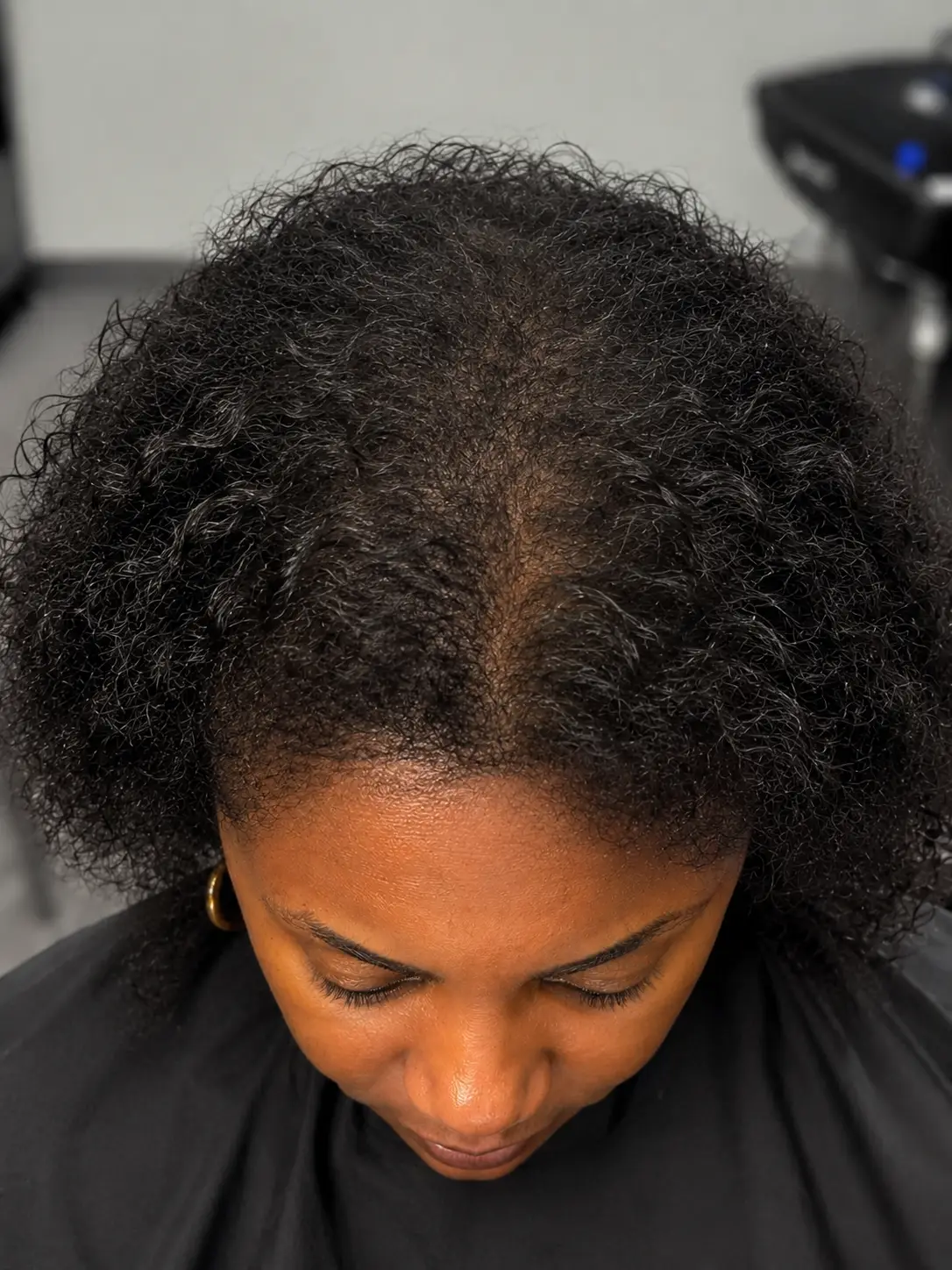
Your hair is telling you something. Let's find out what.
A 30-minute evaluation. A certified trichologist. A 200x trichoscopy scan of your scalp. And real answers before you leave the building. Your next step is $99 and one appointment away.