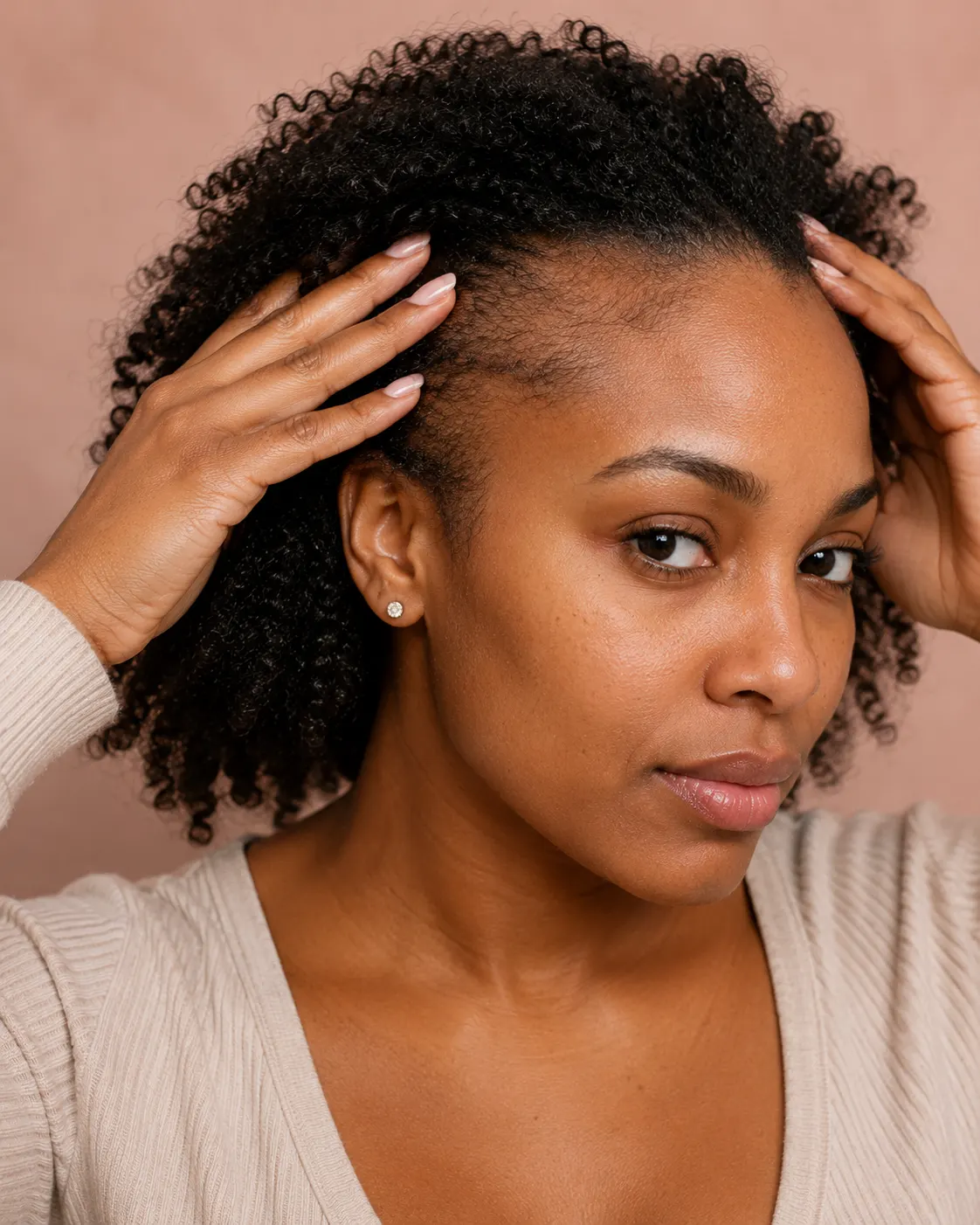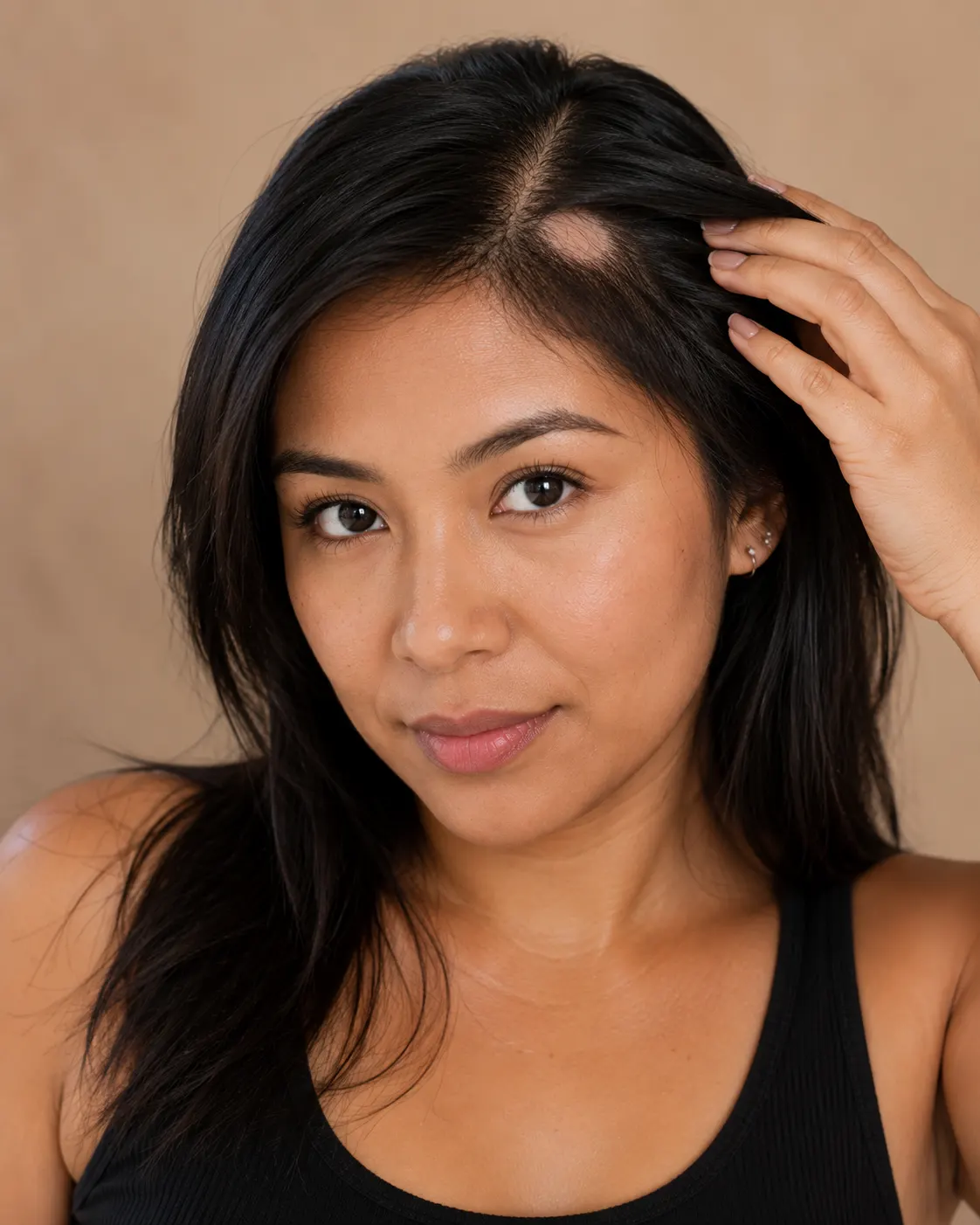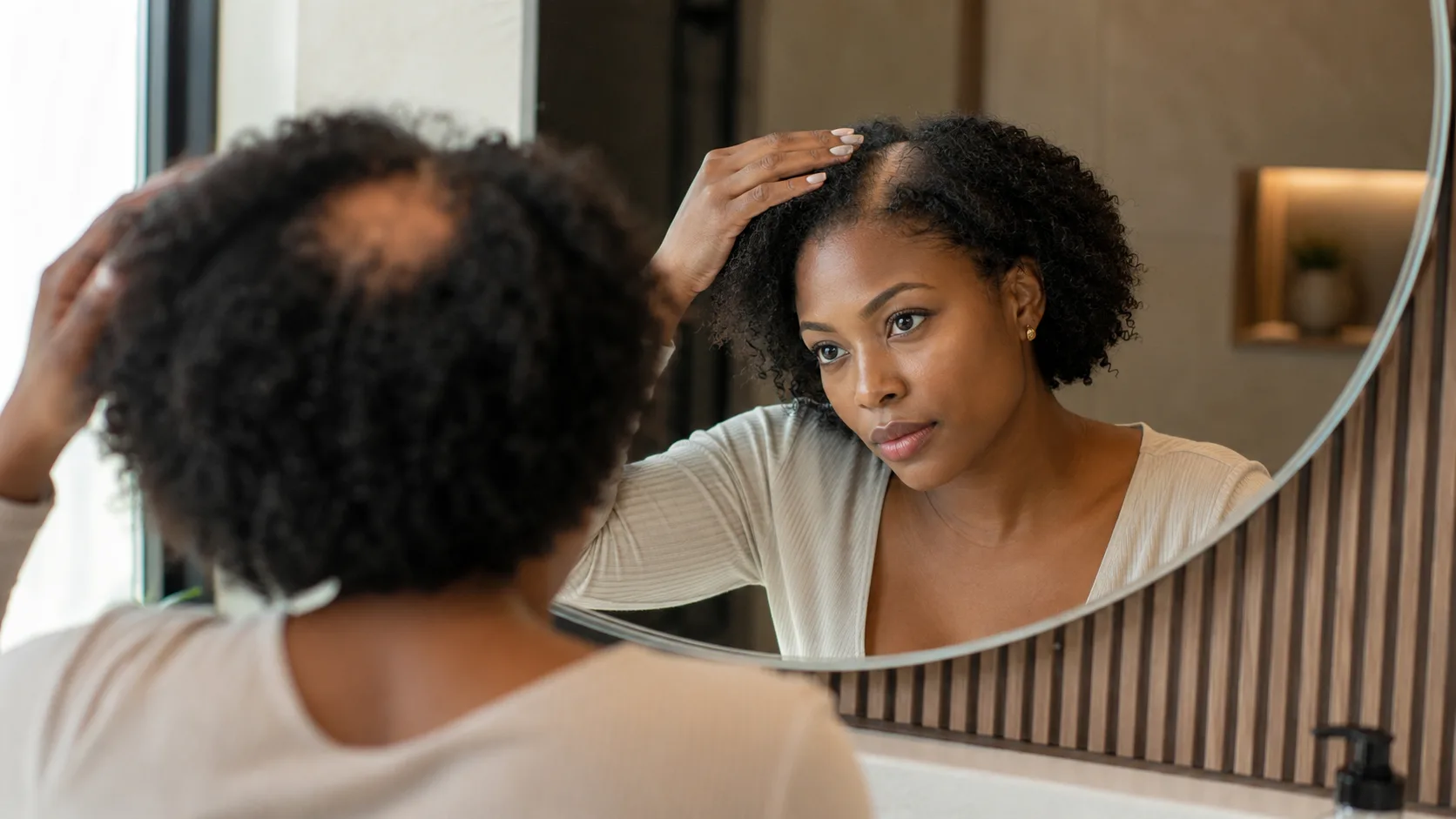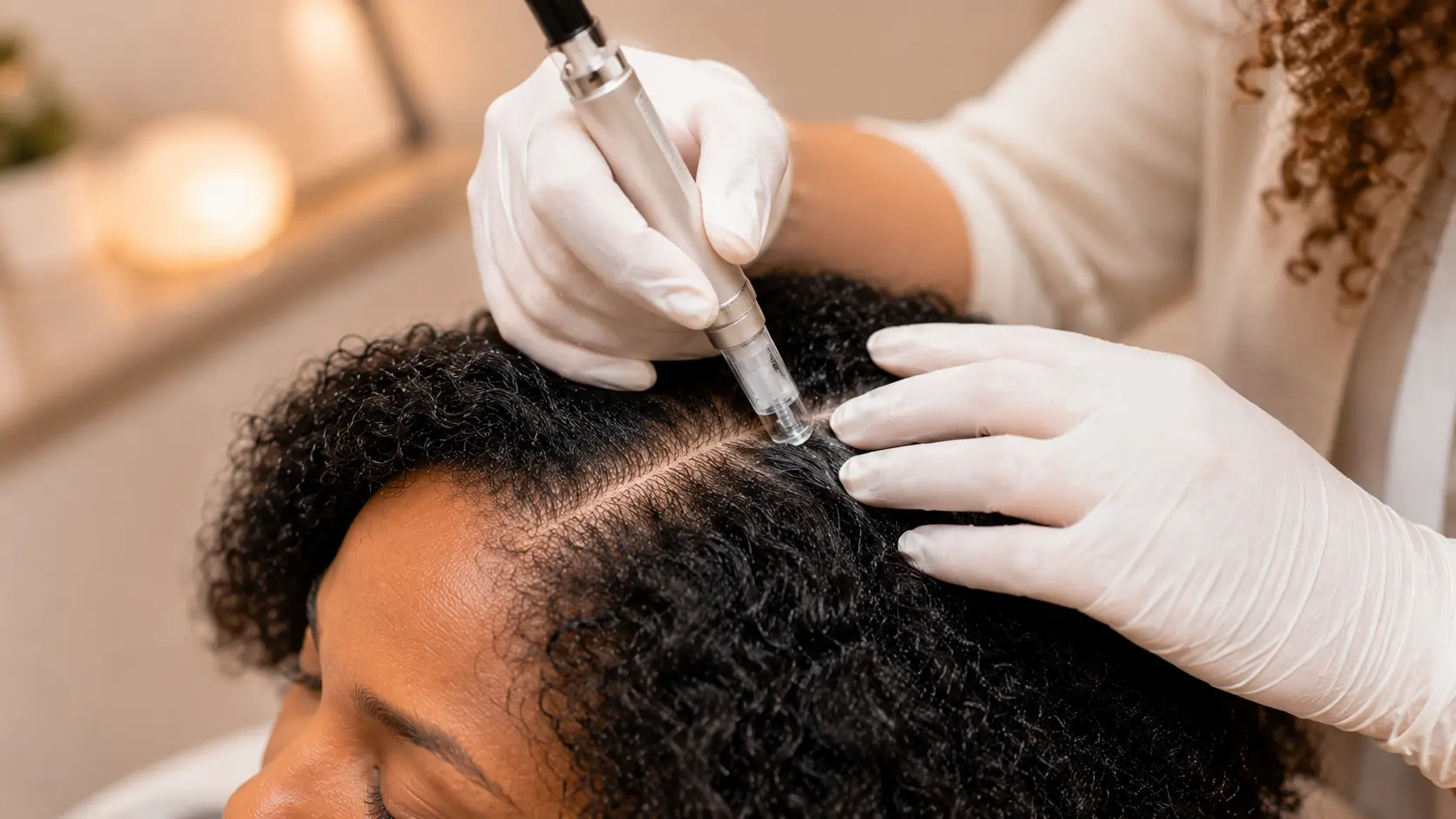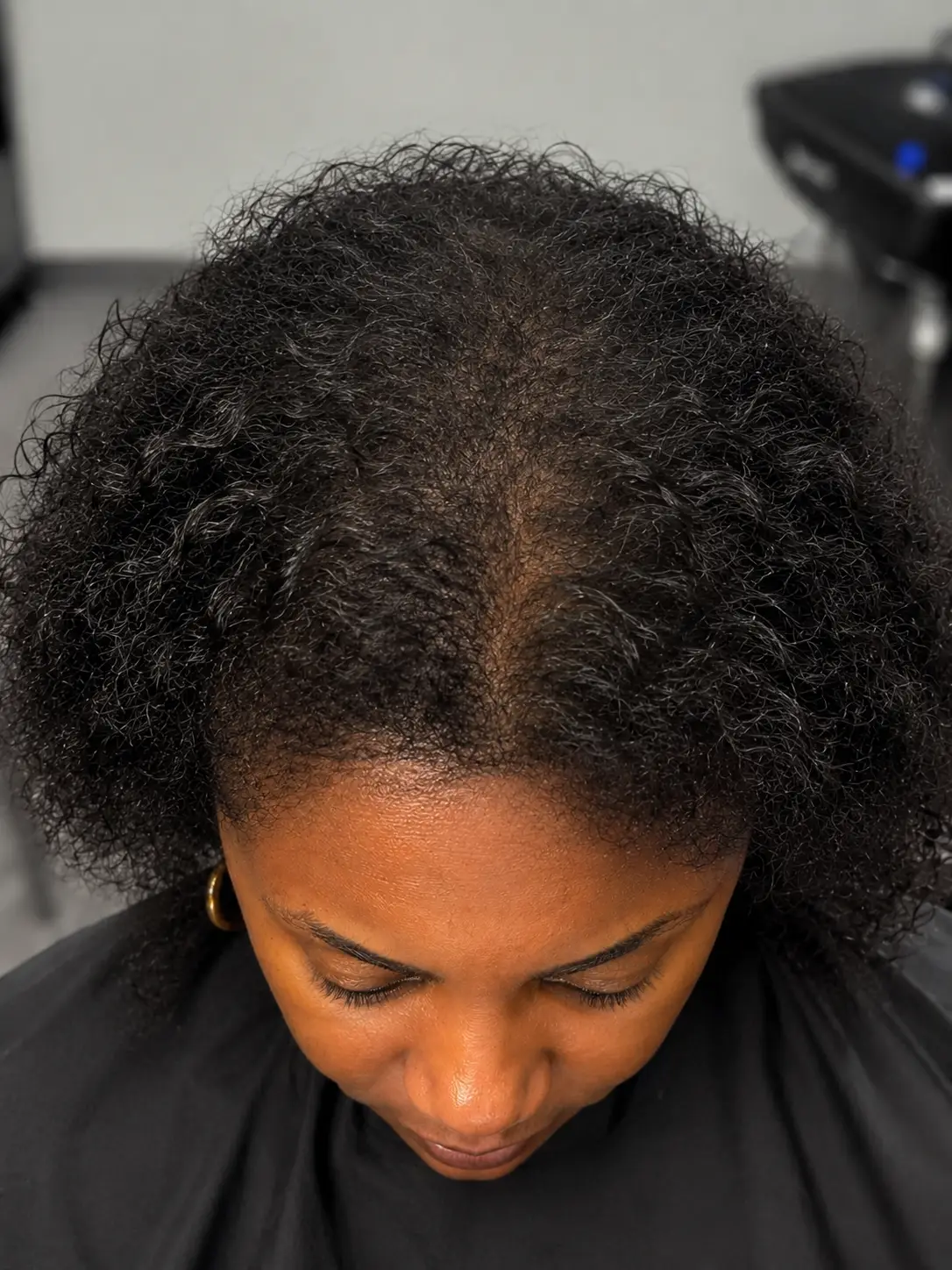
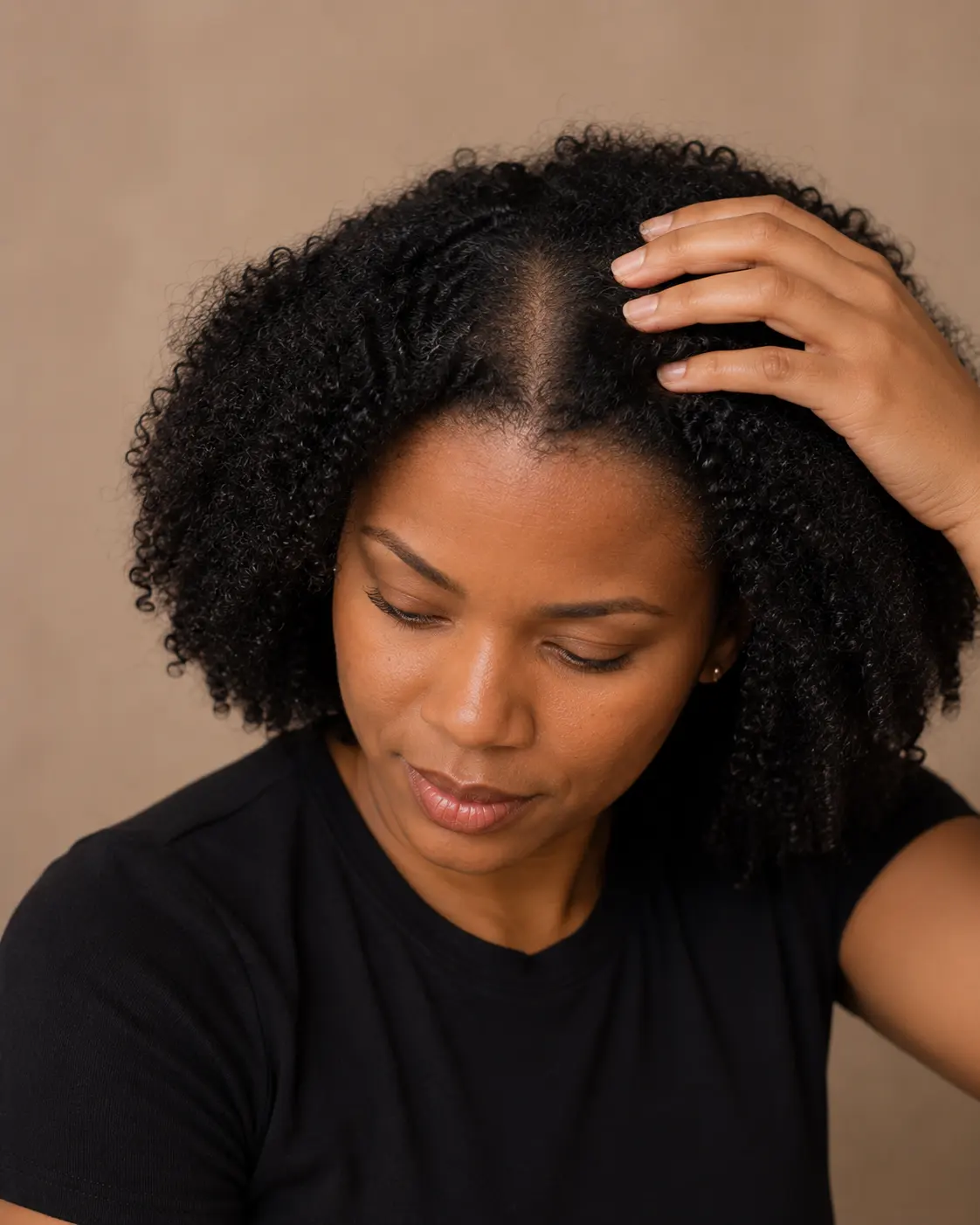
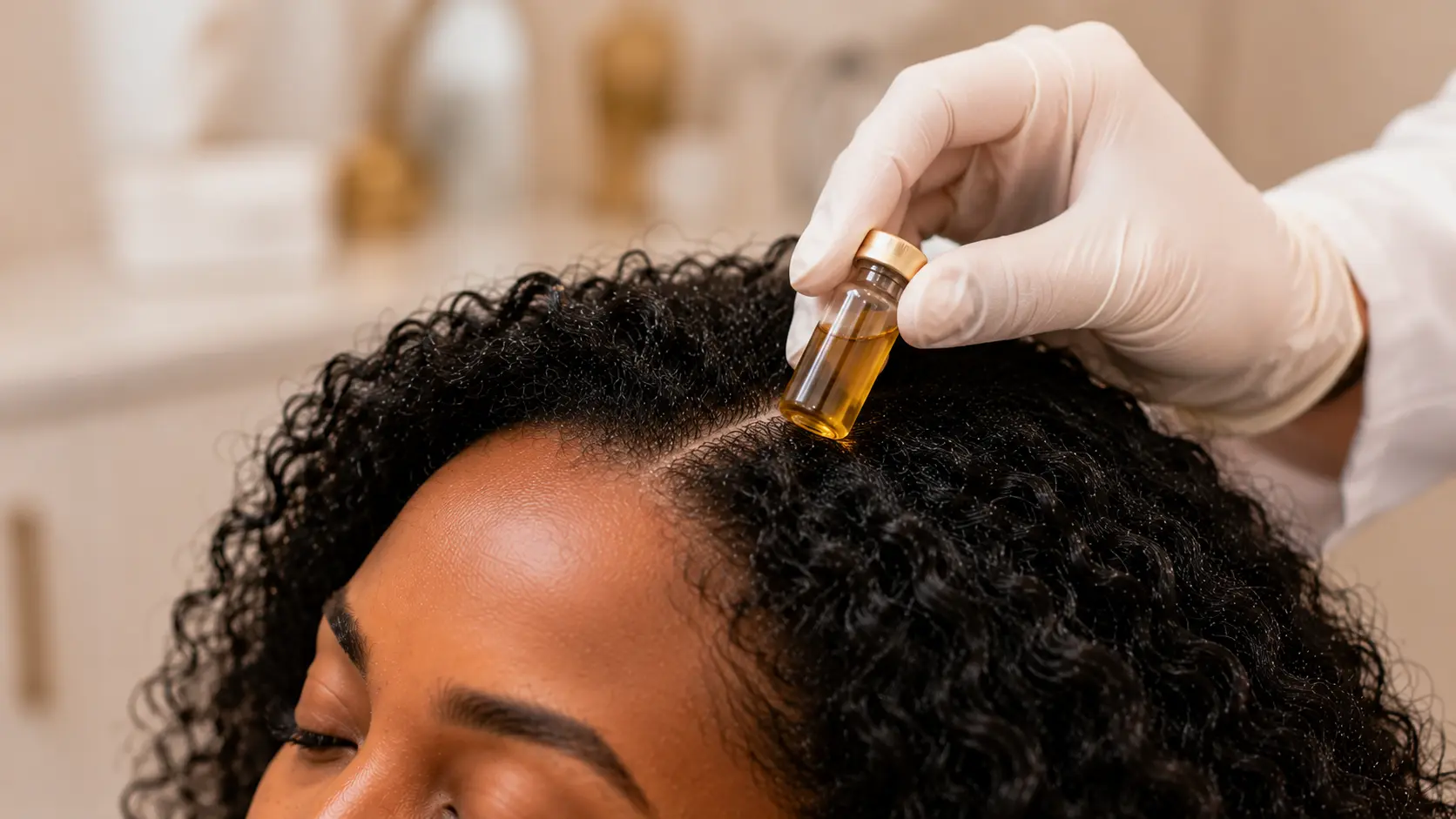
PCOS hair loss treatment by certified trichologist at Atlanta Trichology in Sandy Springs
Fig. 01 · PCOS Hair Loss

PCOS Hair Loss: Trichologist-Led Treatment for Hormonal Thinning

Androgen-driven thinning and shedding linked to PCOS.

Book your PCOS hair loss evaluation

Signs to Watch For

  • Thinning at the crown

  • Oily scalp and skin

  • Irregular cycles

  • Increased facial or body hair

  • Sugar and weight changes

How We Treat PCOS Hair Loss

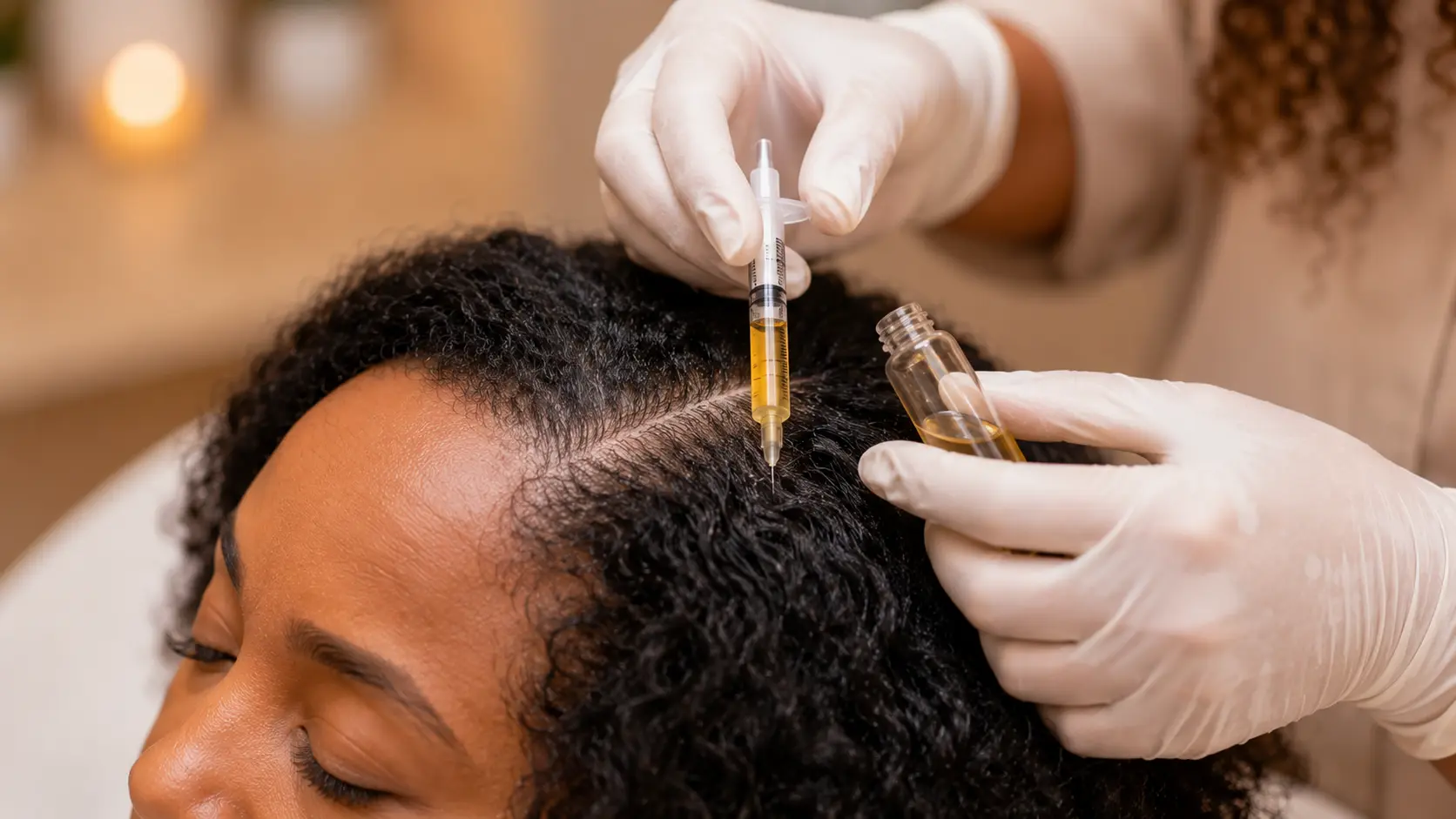
Insulin and androgen-targeted nutrition, supplements, and in-clinic PRP or exosomes.

Explore our treatment methods
What Is PCOS Hair Loss?

PCOS hair loss is a form of hormonal hair thinning caused by polycystic ovary syndrome, a condition that affects roughly 1 in 10 women of reproductive age. Elevated androgens, particularly testosterone and its derivative DHT, are the primary drivers. DHT binds to receptors on hair follicles and triggers a process called follicular miniaturization, where terminal hairs gradually shrink into finer, shorter, less pigmented strands before the follicle stops producing visible hair altogether. The pattern is usually diffuse thinning along the part line, at the crown, and across the top of the scalp. Unlike male pattern baldness, a complete bald spot is uncommon. Many women with PCOS also experience insulin resistance, chronic inflammation, and nutrient deficiencies that compound the hair loss beyond what androgens alone would cause.

At Atlanta Trichology, certified trichologists evaluate PCOS hair loss with trichoscopy, a 200x magnification scan of the scalp and follicles. Trichoscopy reveals the hallmark signs of hormonal thinning: variation in hair shaft diameter (miniaturization), reduced follicle density in androgen-sensitive zones, perifollicular inflammation, and early-stage changes that are invisible to the naked eye. This level of detail allows your trichologist to stage the severity of your PCOS hair loss, track follicle recovery over time, and adjust treatment based on measurable progress rather than guesswork.

Dr. Nina Ross designed the PCOS hair loss protocol at Atlanta Trichology to target both the follicle and the internal hormonal environment. While your certified trichologist works on scalp health and follicle stimulation, Dr. Ross evaluates the metabolic and hormonal factors behind your hair loss: androgen levels, insulin resistance, thyroid function, ferritin, vitamin D, and inflammatory markers. This is where trichology and functional medicine converge. Treating the follicle without correcting the hormonal imbalance that damaged it leads to temporary results. Treating both produces lasting change.

How We Treat PCOS Hair Loss

PCOS hair loss responds to a protocol that addresses follicle health from the outside and hormonal balance from the inside. Your certified trichologist selects from these approaches based on your trichoscopy findings and Dr. Ross's internal assessment:

Every woman with PCOS experiences hair loss differently. The $99 trichoscopy evaluation gives your trichologist a clear picture of which follicles are miniaturizing, how advanced the thinning is, and which combination of treatments will produce the strongest results for your specific hormonal profile.

Does PCOS Hair Loss Treatment Work?

PCOS hair loss is treatable. Because the hair loss is driven by a hormonal imbalance rather than permanent follicle destruction, addressing the underlying cause can stop further thinning and stimulate regrowth in follicles that have miniaturized but are still alive. The key is early intervention. Follicles that have been miniaturized for years are harder to recover than those caught in the early stages of thinning.

A 2019 randomized controlled trial published in the Journal of Cosmetic Dermatology evaluated PRP therapy in women with female pattern hair loss associated with hyperandrogenism. The PRP group showed a statistically significant increase in hair count and hair thickness at 6 months compared to the placebo group. The researchers concluded that PRP is a safe and effective treatment for androgen-related hair thinning in women.

Research published in Dermatologic Therapy in 2020 found that women with PCOS who received combined treatment addressing both scalp health and metabolic factors (insulin resistance, androgen levels) achieved significantly better hair regrowth outcomes than women treated with topical therapies alone. The multimodal group showed a 38% greater improvement in hair density at 12 months.

A 2021 meta-analysis in the Journal of the European Academy of Dermatology and Venereology confirmed that low-level laser therapy produces clinically meaningful improvements in hair density for androgenetic alopecia. The effect was consistent across both male and female patients, with women showing particularly strong responses in the crown and vertex regions where PCOS thinning is most common.

The trichoscopy-guided approach used at Atlanta Trichology adds precision that standard visual exams miss. A study in the International Journal of Trichology demonstrated that trichoscopy detected early-stage follicular miniaturization in 89% of cases that appeared normal under standard examination. Early detection means treatment starts before visible thinning progresses, which dramatically improves outcomes.

How Much Does PCOS Hair Loss Treatment Cost?

PCOS hair loss treatment at Atlanta Trichology is priced per session within your personalized protocol. The cost depends on which treatments your trichologist recommends based on your trichoscopy findings and the severity of your hormonal thinning.

Nationally, in-clinic hair loss treatments for women range from $200 to $1,500 per session depending on the modality. PRP sessions typically fall in the $500 to $1,500 range at most clinics. Dermatologist-prescribed hormonal medications like spironolactone cost $10 to $30 per month but require ongoing prescriptions and monitoring. At Atlanta Trichology, the protocol combines multiple treatment approaches within each visit to maximize results without the cost of separate appointments for each modality.

Most patients with PCOS hair loss begin with biweekly sessions for the first 8 to 12 weeks, then transition to monthly maintenance. Package pricing is available and makes the ongoing investment significantly more affordable than individual session rates.

Start with the $99 trichoscopy evaluation. Your certified trichologist scans your scalp at 200x magnification, documents the degree of miniaturization in each zone, assesses scalp health, and builds a treatment plan with clear pricing before you commit to anything.

PCOS Hair Loss Treatment: What to Expect

  1. 01

    Sessions 1-3 (Weeks 1-4)

    Trichoscopy baseline documents your starting point: follicle density, miniaturization ratio, and scalp inflammation levels. Initial treatments focus on reducing scalp inflammation, improving circulation, and stimulating dormant follicles. Dr. Ross orders and reviews bloodwork to identify the hormonal and metabolic drivers of your hair loss.

  2. 02

    Weeks 4-8

    Shedding may temporarily increase as dormant follicles re-enter the growth cycle. This is a positive sign. Scalp inflammation decreases. Early improvements in hair texture and scalp health become noticeable. Internal protocol adjustments begin based on bloodwork results.

  3. 03

    Weeks 8-16

    New growth becomes visible, particularly along the part line and crown where PCOS thinning concentrates. Trichoscopy comparison scans show increased follicle activity and reduced miniaturization ratios. Hair shafts begin thickening as the follicular environment improves.

  4. 04

    Months 4+ (Maintenance)

    Continued improvement in density and thickness as follicles that were miniaturized produce progressively stronger hairs. Monthly maintenance sessions sustain momentum. Dr. Ross monitors hormonal markers and adjusts the internal protocol as your body responds. Ongoing trichoscopy tracking ensures the protocol adapts to your progress.

PCOS hair loss results depend on the degree of miniaturization, how long the thinning has been progressing, hormonal severity, and consistency with both the in-clinic protocol and the internal medicine plan. Women who address both the scalp and the hormonal imbalance see the strongest, most durable outcomes.

PCOS Hair Loss Treatment: Trichology Protocol vs. Other Approaches

Atlanta Trichology Protocol
Diagnostic approach
Trichoscopy (200x magnification) + comprehensive hormonal bloodwork
Hormonal assessment
Full androgen panel, insulin, thyroid, ferritin, vitamin D, inflammatory markers
Follicle stimulation
PRP, mesotherapy, microneedling, laser therapy (layered protocol)
Androgen management
Functional medicine: insulin regulation, targeted supplementation, DHT-inhibiting nutrients
Scalp health
Clinical scalp masks, anti-inflammatory treatment, scalp environment optimization
Progress tracking
Trichoscopy comparison scans at every visit
Best for
Women wanting root-cause hormonal treatment combined with advanced follicle therapies
Dermatologist (Rx Only)
Diagnostic approach
Visual exam, sometimes blood tests
Hormonal assessment
May test androgens and thyroid if requested
Follicle stimulation
Minoxidil prescription
Androgen management
Spironolactone, oral contraceptives
Scalp health
Rarely addressed
Progress tracking
Follow-up appointments as needed
Best for
Women needing pharmaceutical androgen blockers
OTC Products
Diagnostic approach
None (self-assessed)
Hormonal assessment
None
Follicle stimulation
OTC minoxidil, biotin supplements
Androgen management
Saw palmetto supplements (limited evidence)
Scalp health
Specialty shampoos
Progress tracking
Self-monitoring (photos, shedding counts)
Best for
Mild thinning with minimal hormonal involvement

Swipe to compare · 3 options

Atlanta Trichology works alongside your OB/GYN and endocrinologist. If you are already on medications like spironolactone, metformin, or oral contraceptives for PCOS, the trichology protocol complements your existing care by addressing the scalp and follicle side of the equation.

Frequently Asked Questions About PCOS Hair Loss

Does PCOS cause hair loss?

Yes. PCOS is one of the most common causes of hair loss in women under 40. The connection is hormonal: PCOS causes elevated androgen levels, and the androgen DHT binds to hair follicle receptors, triggering a process called miniaturization. The follicle gradually produces thinner, shorter, lighter hairs until it stops producing visible hair. This typically shows up as diffuse thinning along the part line, at the crown, and across the top of the scalp.

Can PCOS hair loss be reversed?

In many cases, yes. Because PCOS hair loss is driven by hormonal imbalance rather than permanent scarring of the follicle, correcting the hormonal environment and stimulating the follicle can reverse miniaturization and restore visible hair growth. The earlier treatment begins, the better the outcome. Follicles that have been miniaturized for a short time respond more readily than those that have been inactive for years. At Atlanta Trichology, trichoscopy imaging identifies exactly which follicles are still viable and treatable.

What does PCOS hair loss look like?

PCOS hair loss typically follows a diffuse thinning pattern across the top of the scalp. Women notice a widening part line, visible scalp through the hair at the crown, and overall reduced hair density and volume. The hairline usually stays intact, unlike male pattern baldness. Some women also experience increased shedding (finding more hair on the pillow, in the shower drain, or on clothing). The thinning may develop gradually over months or years, which is why many women do not realize how much density they have lost until a trichoscopy scan reveals the degree of miniaturization.

How do I stop PCOS hair loss?

Stopping PCOS hair loss requires addressing both the hormonal driver and the follicle. On the hormonal side, managing insulin resistance, reducing androgen levels, and correcting nutrient deficiencies (ferritin, vitamin D, zinc, B vitamins) slow or stop the miniaturization process. On the follicle side, treatments like PRP, laser therapy, and microneedling stimulate dormant follicles back into the growth phase. At Atlanta Trichology, Dr. Nina Ross handles the internal assessment while certified trichologists manage scalp and follicle health. A $99 trichoscopy evaluation is the starting point to understand your specific situation.

Why does PCOS cause hair loss?

PCOS causes elevated levels of androgens, including testosterone. Your body converts testosterone into DHT (dihydrotestosterone) through an enzyme called 5-alpha reductase. DHT attaches to receptors on hair follicles in androgen-sensitive areas of the scalp, primarily the crown, part line, and top of the head. The DHT signal causes the follicle to produce progressively thinner, shorter hairs each growth cycle. Over time, the follicle miniaturizes until the hair it produces is too fine to be visible. Insulin resistance, which affects up to 70% of women with PCOS, amplifies androgen production and makes the hair loss worse.

What is the PCOS hair loss pattern?

The classic PCOS hair loss pattern is diffuse thinning concentrated on the top of the scalp. The part line widens first, followed by thinning at the crown and across the midscalp. The frontal hairline is usually preserved, which distinguishes PCOS hair loss from male pattern baldness. Some women experience thinning at the temples as well, depending on individual androgen sensitivity. Dermatologists classify this as female pattern hair loss (Ludwig classification). A trichoscopy scan at Atlanta Trichology maps exactly where miniaturization is occurring and how advanced it is in each zone.

Is PCOS hair loss regrowth possible?

Yes. Many women with PCOS achieve significant hair regrowth when the hormonal imbalance is corrected and the follicles are actively stimulated. Regrowth success depends on how long the follicles have been miniaturized, the severity of the hormonal imbalance, and consistency with treatment. At Atlanta Trichology, trichoscopy tracks follicle recovery visit by visit. Patients typically see measurable improvement in hair density and shaft thickness within 3 to 6 months of beginning a combined internal and external protocol.

What vitamins help with PCOS hair loss?

Several nutrient deficiencies are common in women with PCOS and directly affect hair growth. Ferritin (stored iron) below 70 ng/mL is associated with increased shedding. Vitamin D deficiency is linked to hair cycle disruption. Zinc supports hair follicle function and helps regulate androgen metabolism. B vitamins (especially B12 and biotin) support cellular energy production in the follicle. Inositol has been shown to improve insulin sensitivity in PCOS, which indirectly reduces androgen-driven thinning. Dr. Nina Ross tests for specific deficiencies through bloodwork rather than prescribing generic supplements, because the right doses depend on your individual lab values.

Will shampoo fix PCOS hair loss?

Shampoo alone will not fix PCOS hair loss. Ketoconazole shampoo has mild anti-androgen properties at the scalp level and can reduce DHT in the follicular environment, which may provide modest benefit as part of a larger protocol. Biotin shampoos and volumizing formulas may improve the appearance of existing hair but do not address follicular miniaturization or the hormonal imbalance driving it. Effective PCOS hair loss treatment requires addressing the hormonal cause internally and stimulating the follicles directly through clinical treatments.

BEGIN

Your hair is telling you something. Let's find out what.

A 30-minute evaluation. A certified trichologist. A 200x trichoscopy scan of your scalp. And real answers before you leave the building. Your next step is $99 and one appointment away.