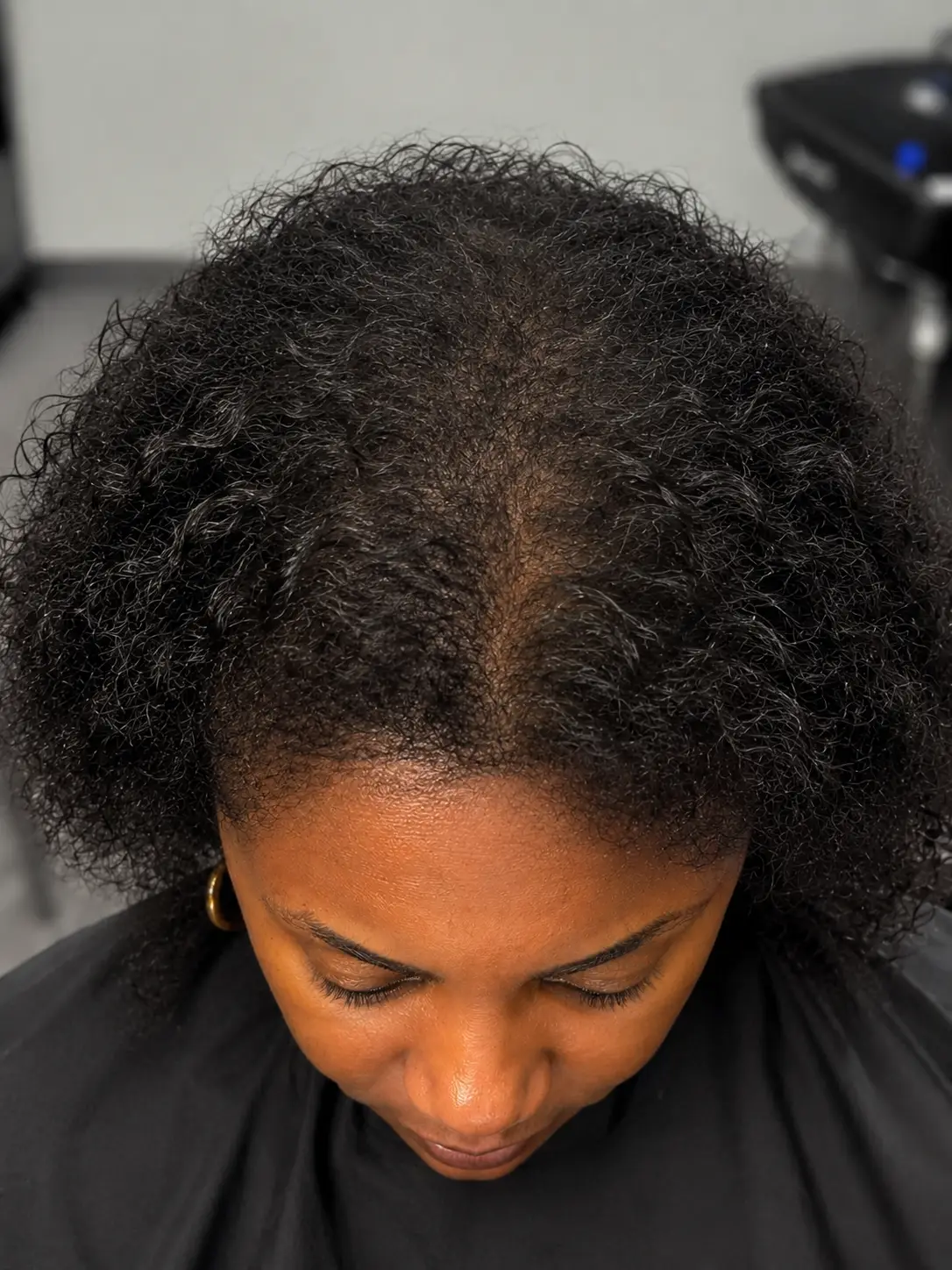
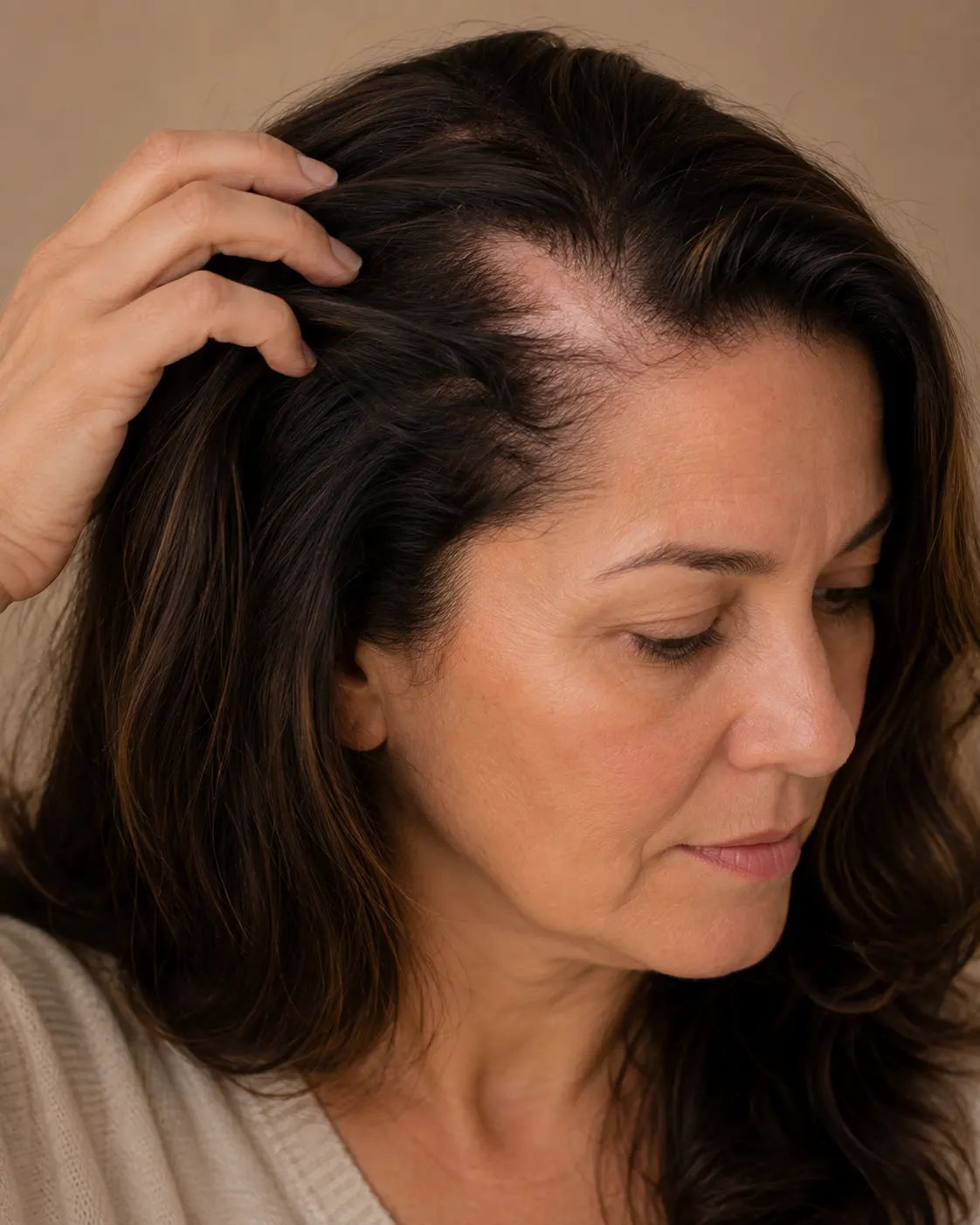
Lichen planopilaris treatment by certified trichologist at Atlanta Trichology in Sandy Springs
Fig. 01 · Lichen Planopilaris

Lichen Planopilaris: Trichoscopy-Guided Treatment for Scarring Hair Loss

Inflammatory scarring alopecia affecting the scalp.

Get your lichen planopilaris evaluated

Signs to Watch For

  • Patchy hair loss with redness

  • Burning or itching

  • Scaling around follicles

  • Permanent hair loss in affected areas

  • Slow, progressive thinning

How We Treat Lichen Planopilaris

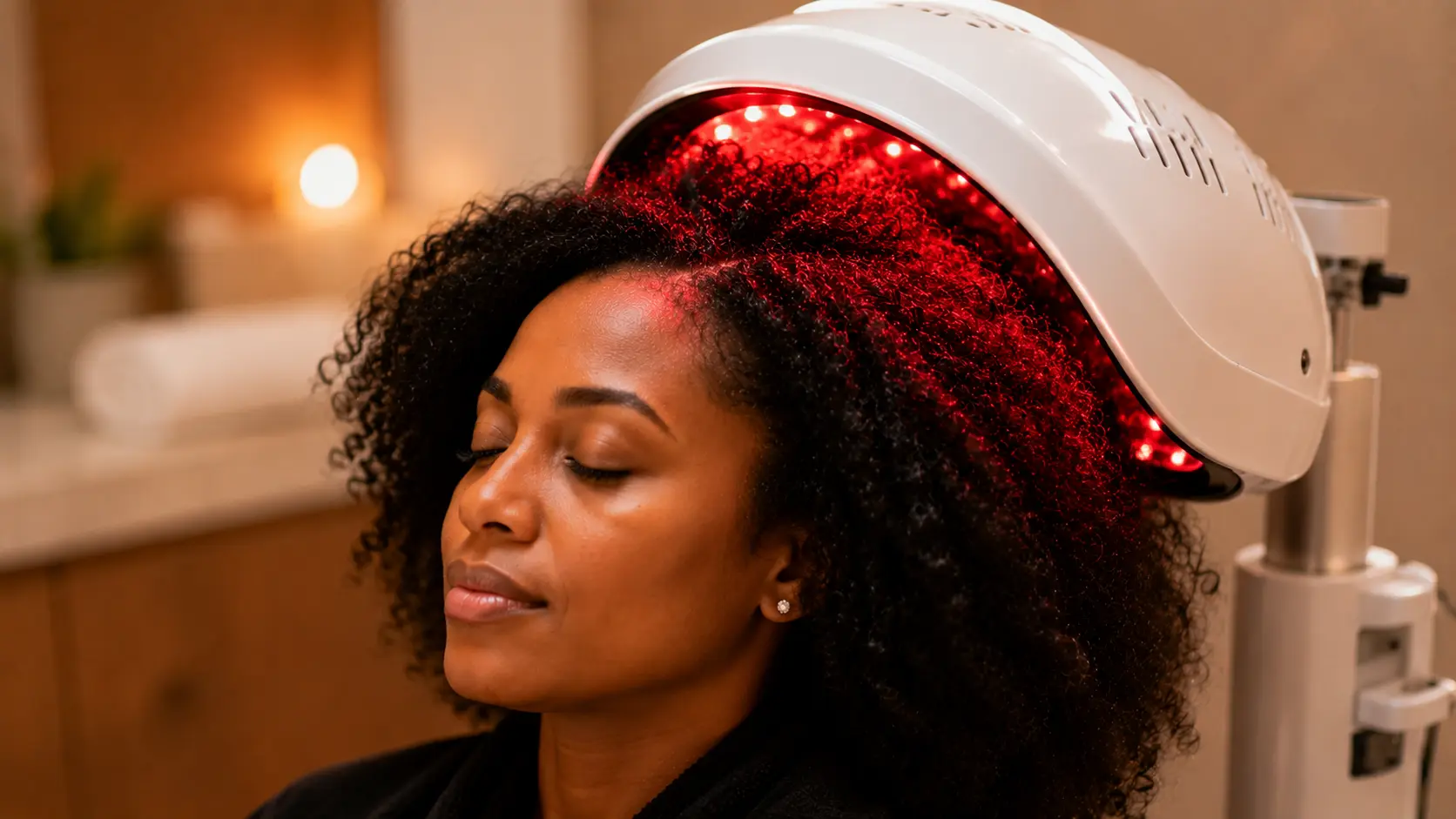
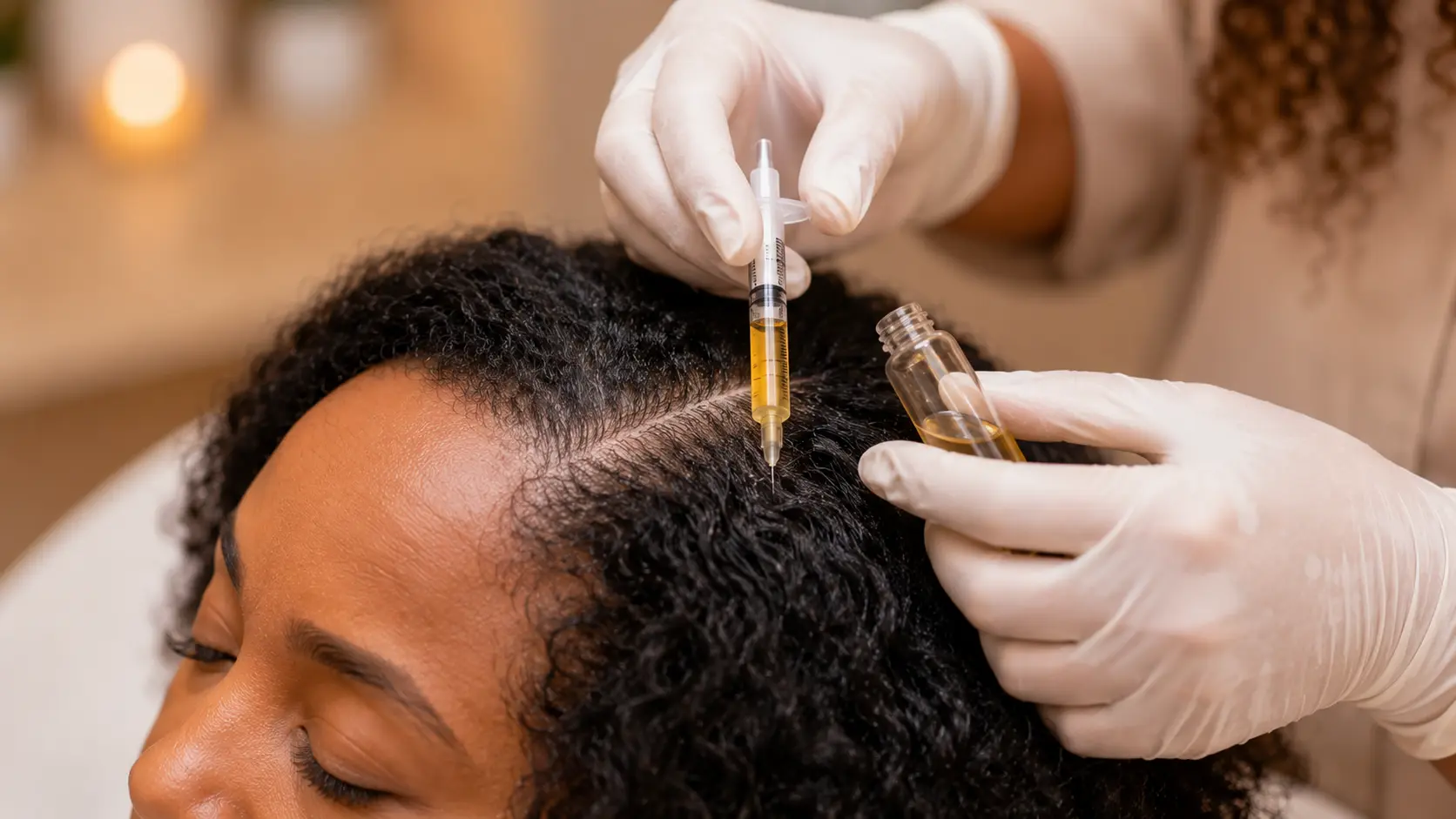
Anti-inflammatory protocols including PRP, exosomes, and targeted nutritional support.

Explore our treatment methods
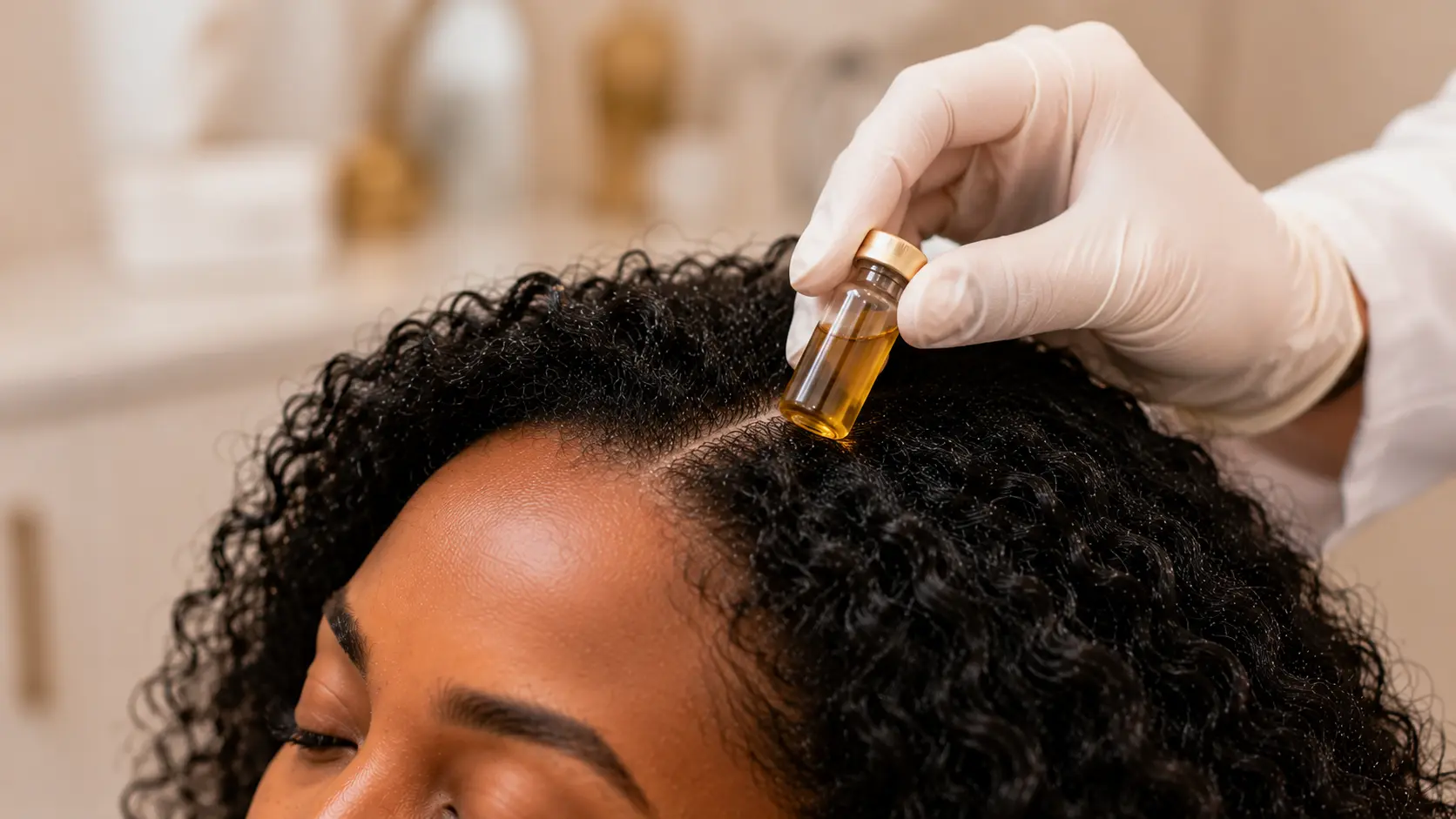
What Is Lichen Planopilaris?

Lichen planopilaris (LPP) is a form of scarring alopecia where the immune system attacks hair follicles, causing chronic inflammation that gradually destroys the follicular unit and replaces it with scar tissue. Once a follicle scars over, it cannot produce hair again. This makes LPP fundamentally different from non-scarring hair loss conditions like telogen effluvium or androgenetic alopecia, where the follicle remains alive and recoverable. LPP is a subtype of lichen planus, an inflammatory condition that can affect the skin, nails, and mucous membranes. When lichen planus targets the scalp, the resulting hair loss is progressive and permanent unless the inflammation is controlled early. LPP affects women more frequently than men and can occur at any age, though it is most commonly diagnosed between ages 30 and 60.

At Atlanta Trichology, certified trichologists evaluate lichen planopilaris with trichoscopy, a 200x magnification scan that reveals the hallmark signs of LPP that standard visual exams miss. Trichoscopy shows perifollicular scaling (white or silver casts around the hair shaft), perifollicular erythema (redness and inflammation surrounding the follicle), loss of follicular openings in affected areas (indicating scarring), and the boundary between active inflammation and already-scarred zones. This imaging is essential for staging the condition, determining how much active disease remains, and monitoring whether treatment is controlling the inflammation over time.

Dr. Nina Ross designed the LPP protocol at Atlanta Trichology to address the autoimmune inflammation driving the follicle destruction. While your certified trichologist manages the scalp surface with anti-inflammatory treatments and follicle-protective therapies, Dr. Ross investigates the internal triggers fueling the immune response: gut health, food sensitivities, chronic infections, stress hormones, and nutrient deficiencies that amplify inflammatory pathways. LPP is a condition where the immune system is misfiring. Understanding why it is misfiring gives the treatment protocol a deeper layer of effectiveness.

How We Treat Lichen Planopilaris

The primary goal of LPP treatment is to halt the inflammatory process before more follicles are permanently destroyed. Secondary goals include calming symptoms (itching, burning, tenderness), protecting follicles in areas of active disease, and addressing the immune dysregulation driving the condition. Your certified trichologist selects from these approaches based on your trichoscopy findings:

LPP is a progressive condition, and every month of uncontrolled inflammation risks permanent follicle loss. The $99 trichoscopy evaluation shows your trichologist exactly how much active disease is present, which areas are most at risk, and which treatment approach offers the best chance of preserving your remaining hair.

Does Lichen Planopilaris Treatment Work?

There is currently no cure for lichen planopilaris. The clinical goal is to control the inflammatory process, halt the progression of scarring, preserve remaining follicles, and relieve symptoms. With early intervention and consistent treatment, many patients achieve disease quiescence, a state where active inflammation stops and no further follicle loss occurs. The earlier treatment begins, the more hair can be preserved.

A 2020 systematic review published in the Journal of the American Academy of Dermatology evaluated treatment outcomes for LPP across multiple modalities. The review found that combination therapy (anti-inflammatory topicals paired with systemic immune modulation) produced the highest rates of disease stabilization. Patients treated with multimodal protocols had significantly longer periods of quiescence compared to single-agent therapy.

Research in the British Journal of Dermatology demonstrated that trichoscopy is the most reliable non-invasive method for monitoring LPP disease activity. The study found that perifollicular scaling and erythema visible on trichoscopy correlated directly with histological inflammation on biopsy, meaning trichoscopy can track disease activity without repeated biopsies. This supports the trichoscopy-guided monitoring approach used at Atlanta Trichology.

A 2019 study in Dermatologic Therapy found that low-level laser therapy reduced inflammatory markers and improved scalp symptoms in patients with inflammatory scalp conditions, including cicatricial (scarring) alopecias. The anti-inflammatory and immunomodulatory effects of photobiomodulation offer a treatment pathway with fewer side effects than long-term immunosuppressive medications.

The functional medicine approach is supported by growing research linking autoimmune conditions to gut health. A 2021 review in Autoimmunity Reviews found that intestinal permeability and dysbiosis were present in a significant proportion of patients with autoimmune-driven hair loss conditions. Restoring gut barrier function and eliminating dietary triggers reduced autoimmune flare frequency in the study population. This aligns with Dr. Nina Ross's approach of testing for and correcting individual gut health and sensitivity triggers in LPP patients.

How Much Does Lichen Planopilaris Treatment Cost?

LPP treatment at Atlanta Trichology is priced per session within your personalized protocol. The cost depends on the extent of active disease, which treatments your trichologist recommends, and whether the protocol includes functional medicine support from Dr. Ross.

Nationally, long-term prescription medications for LPP (hydroxychloroquine, doxycycline, or immunosuppressants) cost $50 to $500 per month plus monitoring bloodwork. Biologic medications for severe autoimmune conditions can exceed $20,000 per year. At Atlanta Trichology, the in-house protocol focuses on clinical-grade anti-inflammatory treatments and functional medicine that, for many patients, reduce the need for aggressive pharmacotherapy.

Because LPP requires ongoing management to maintain quiescence, most patients transition from weekly or biweekly sessions during active disease to monthly maintenance once the inflammation is controlled. Package pricing makes the long-term investment more manageable.

Start with the $99 trichoscopy evaluation. Your certified trichologist scans the affected areas at 200x magnification, maps the extent of active inflammation versus scarring, and builds a treatment plan with clear pricing before you commit to anything.

Lichen Planopilaris Treatment: What to Expect

  1. 01

    Sessions 1-3 (Weeks 1-4)

    Trichoscopy baseline documents the current state: areas of active perifollicular inflammation, zones of established scarring, and transitional areas where follicles are at risk. Initial treatments focus on calming active inflammation and reducing symptoms (itching, burning, tenderness). Dr. Ross orders bloodwork to assess immune, gut, and nutritional factors.

  2. 02

    Weeks 4-8

    Symptom relief often begins in this phase. Itching and scalp tenderness decrease as anti-inflammatory treatments take cumulative effect. Trichoscopy may show early reduction in perifollicular erythema (redness around follicles). Internal protocol adjustments begin based on bloodwork results. The inflammation front starts stabilizing.

  3. 03

    Weeks 8-16

    Trichoscopy comparison scans assess whether active inflammation is decreasing, stable, or progressing. In responding patients, perifollicular scaling diminishes and the boundary between active and inactive disease stops advancing. This is a critical milestone: disease stabilization means follicles are no longer being lost.

  4. 04

    Months 4+ (Maintenance)

    Ongoing monitoring and maintenance treatment to sustain quiescence. Monthly trichoscopy scans catch any early signs of reactivation before new follicle damage occurs. The functional medicine protocol continues to address the underlying immune triggers. The goal is long-term disease control with the fewest interventions necessary.

LPP is a chronic autoimmune condition that requires ongoing monitoring. Disease activity can fluctuate. Treatment response varies depending on the stage at diagnosis, the extent of existing scarring, individual immune factors, and consistency with both the in-clinic protocol and the internal medicine plan. Your trichologist provides an honest prognosis during the initial evaluation based on what trichoscopy reveals.

Lichen Planopilaris Treatment: Trichology Protocol vs. Other Approaches

Atlanta Trichology Protocol
Diagnostic imaging
Trichoscopy (200x magnification) at every visit to track disease activity
Anti-inflammatory approach
Photobiomodulation, clinical scalp masks, targeted mesotherapy
Immune trigger investigation
Bloodwork, gut health testing, food sensitivity panels, inflammatory markers
Follicle preservation
PRP and growth factor support for at-risk transitional zones
Disease monitoring
Trichoscopy comparison scans at every visit track inflammation in real time
Side-effect profile
Minimal (non-pharmacological scalp treatments + targeted supplementation)
Best for
Patients wanting anti-inflammatory treatment with root-cause immune investigation
Dermatologist (Rx Only)
Diagnostic imaging
Scalp biopsy for initial diagnosis, visual exam at follow-ups
Anti-inflammatory approach
Topical steroids, hydroxychloroquine, doxycycline, or immunosuppressants
Immune trigger investigation
Autoimmune panels if requested
Follicle preservation
Medication aims to slow progression; follicle stimulation rarely addressed
Disease monitoring
Periodic follow-up appointments, repeat biopsy if needed
Side-effect profile
Medication-dependent (GI effects, photosensitivity, immune suppression)
Best for
Patients requiring systemic immunosuppression for aggressive LPP
No Treatment
Diagnostic imaging
None (self-monitored)
Anti-inflammatory approach
None
Immune trigger investigation
None
Follicle preservation
Progressive follicle destruction continues
Disease monitoring
Hair loss continues unmonitored
Side-effect profile
None (but irreversible hair loss progresses)
Best for
Not recommended (LPP is progressive and causes permanent loss)

Swipe to compare · 3 options

Atlanta Trichology delivers complete, in-house care for LPP. Dr. Nina Ross oversees any prescription-level decisions, while our certified trichologists add scalp-level anti-inflammatory treatment, trichoscopy monitoring, and functional medicine investigation of the immune triggers driving the disease.

Frequently Asked Questions About Lichen Planopilaris

What is lichen planopilaris?

Lichen planopilaris (LPP) is a type of scarring alopecia where the immune system attacks hair follicles on the scalp. The chronic inflammation destroys the follicular unit and replaces it with scar tissue, causing permanent hair loss in the affected areas. LPP is a scalp-specific form of lichen planus, an inflammatory condition that can also affect the skin, nails, and mouth. It is classified as a primary cicatricial (scarring) alopecia and affects women more commonly than men.

What does early lichen planopilaris look like?

Early lichen planopilaris on the scalp often presents as small patches of thinning with redness around the base of hair shafts. You may notice white or silvery scaling that forms a collar around individual hairs (perifollicular scaling). The affected areas frequently itch, burn, or feel tender to the touch. On trichoscopy at 200x magnification, your trichologist can see perifollicular erythema, tubular scaling around the hair shaft, and loss of follicular openings, signs that may be invisible to the naked eye in early stages. Early detection through trichoscopy is critical because LPP is most treatable before extensive scarring occurs.

What causes lichen planopilaris?

The exact cause of lichen planopilaris is not fully understood, but it is classified as an autoimmune condition. The immune system mistakenly targets the hair follicle, attacking the stem cell-rich bulge region and triggering an inflammatory process that leads to scarring. Potential triggers include genetic predisposition, hormonal changes, environmental factors, stress, gut health dysfunction, and food sensitivities. Lichen planopilaris is sometimes associated with other autoimmune conditions including thyroid disease. Dr. Nina Ross investigates individual triggers through comprehensive bloodwork and functional medicine testing.

Is lichen planopilaris an autoimmune disease?

Yes. Lichen planopilaris is classified as an autoimmune-mediated scarring alopecia. The immune system produces an inflammatory response directed at the hair follicle, specifically the bulge region where follicular stem cells reside. This immune-driven inflammation is what distinguishes LPP from mechanical causes of hair loss like traction alopecia. Because it is autoimmune in nature, addressing the underlying immune dysregulation is an important part of treatment alongside managing the scalp inflammation directly.

Does lichen planopilaris ever go away?

LPP does not have a cure, but it can enter quiescence, a state where active inflammation stops and no further follicle loss occurs. Some patients achieve long-term quiescence with consistent treatment and management of their immune triggers. The hair that was lost to scarring does not regrow, but the remaining hair can be preserved. Periodic flare-ups are possible, which is why ongoing trichoscopy monitoring is important even after the disease appears inactive. Early detection of reactivation allows treatment to resume before new follicles are lost.

Can lichen planopilaris hair regrow?

Hair cannot regrow from follicles that have already been replaced by scar tissue. That damage is permanent. However, follicles that are inflamed and weakened but not yet fully scarred may be preserved and, in some cases, produce improved hair growth once the inflammation is controlled. This is why trichoscopy staging is so important: it identifies which follicles are in the transitional zone between active disease and permanent scarring. Those transitional follicles are the treatment priority.

What is the difference between lichen planopilaris and frontal fibrosing alopecia?

Frontal fibrosing alopecia (FFA) is considered a clinical variant of lichen planopilaris. Both involve the same type of immune-mediated scarring of hair follicles. The difference is the distribution pattern. Classic LPP typically affects the top and sides of the scalp in patches. FFA specifically targets the frontal hairline, causing a band-like recession that moves progressively backward. FFA also commonly causes loss of eyebrows and body hair. Both conditions produce the same trichoscopy findings (perifollicular scaling, erythema, loss of follicular openings) and respond to similar treatment approaches.

What shampoo is best for lichen planopilaris?

No shampoo can treat lichen planopilaris on its own. Gentle, sulfate-free shampoos are generally recommended to avoid further irritating the inflamed scalp. Some dermatologists recommend shampoos containing ketoconazole or tea tree oil for their mild anti-inflammatory properties. Medicated prescription shampoos with clobetasol (a topical steroid) may be prescribed for symptom relief. At Atlanta Trichology, clinical scalp mask therapy provides more intensive anti-inflammatory treatment than any shampoo can deliver, because the contact time and concentration of active ingredients far exceeds what a rinse-off product provides.

How is lichen planopilaris diagnosed?

LPP is traditionally diagnosed through scalp biopsy, examined under a microscope for the characteristic pattern of lymphocytic inflammation around the follicular bulge region. At Atlanta Trichology, trichoscopy provides a non-invasive first step: the 200x magnification scan reveals perifollicular scaling, perifollicular erythema, and loss of follicular openings, the clinical hallmarks of LPP. Dr. Nina Ross evaluates whether a biopsy is needed to confirm the diagnosis, all as part of your care here, while anti-inflammatory treatment begins immediately rather than waiting on outside results.

BEGIN

Your hair is telling you something. Let's find out what.

A 30-minute evaluation. A certified trichologist. A 200x trichoscopy scan of your scalp. And real answers before you leave the building. Your next step is $99 and one appointment away.