

Condition
Hair Breakage Treatment in Atlanta: Repair the Shaft, Protect the Follicle
Strands snapping mid-shaft from chemical, heat, or mechanical damage.
Find Out Why Your Hair Keeps SnappingOur Approach
How We Treat Hair Breakage
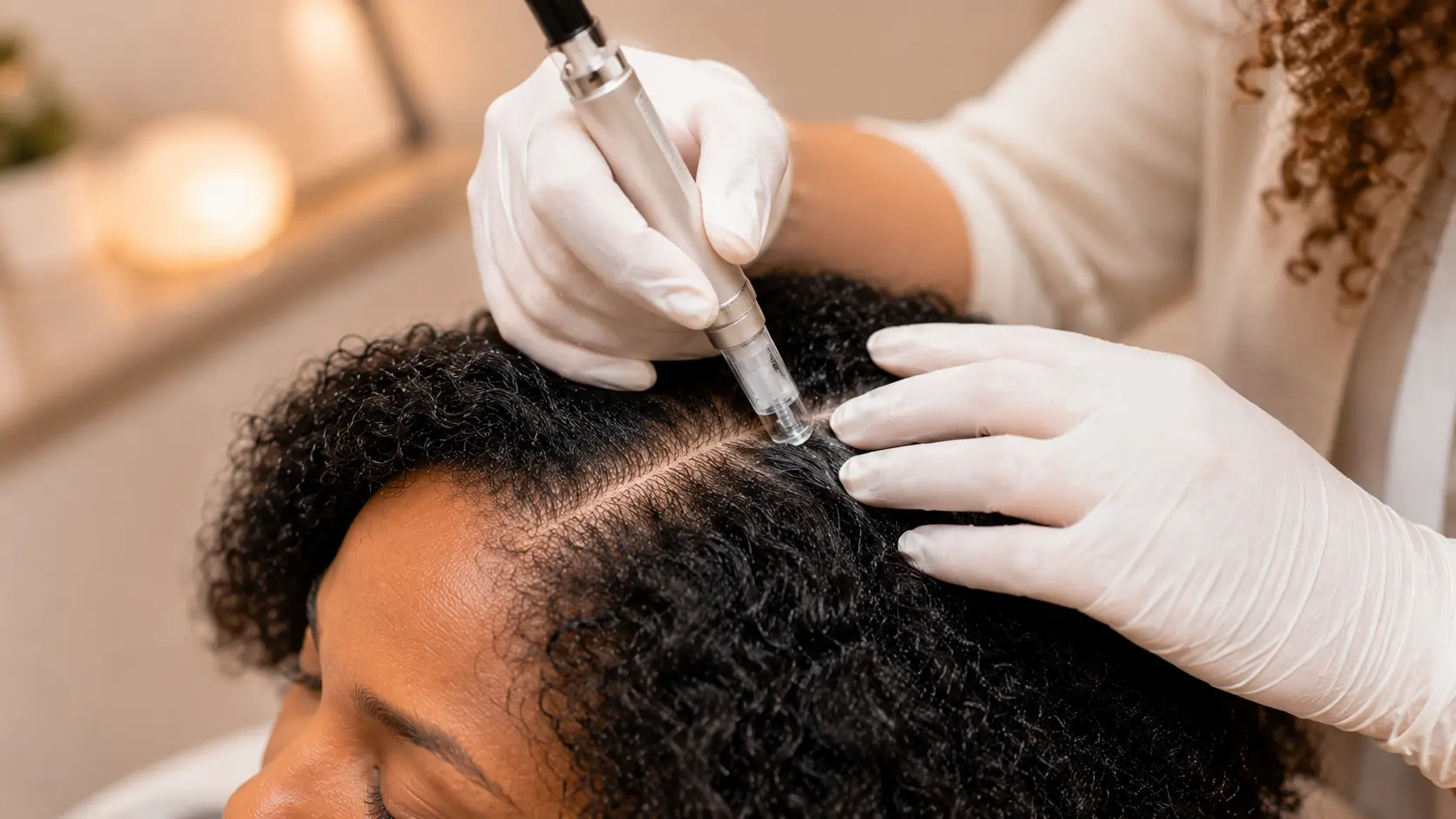
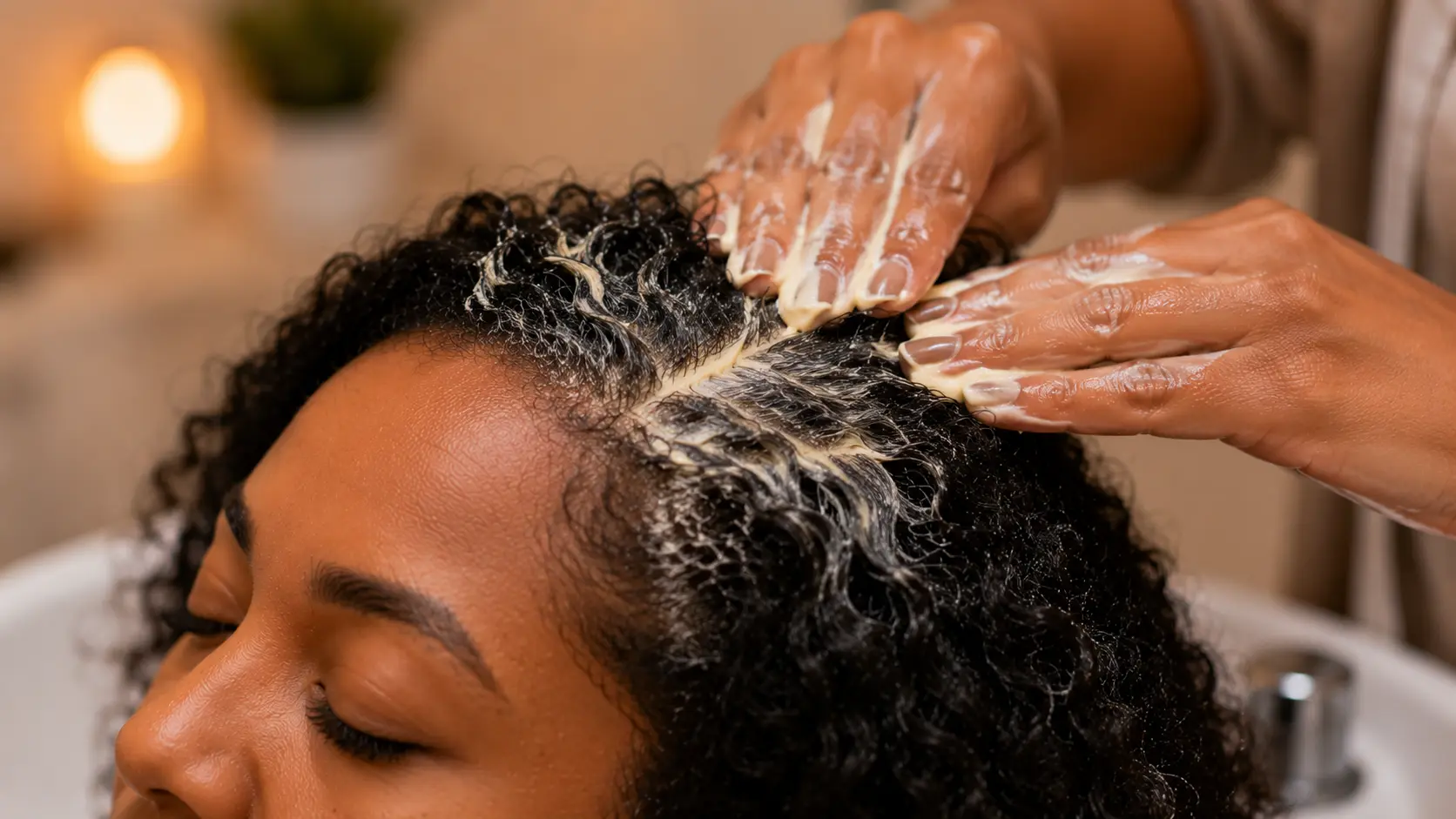
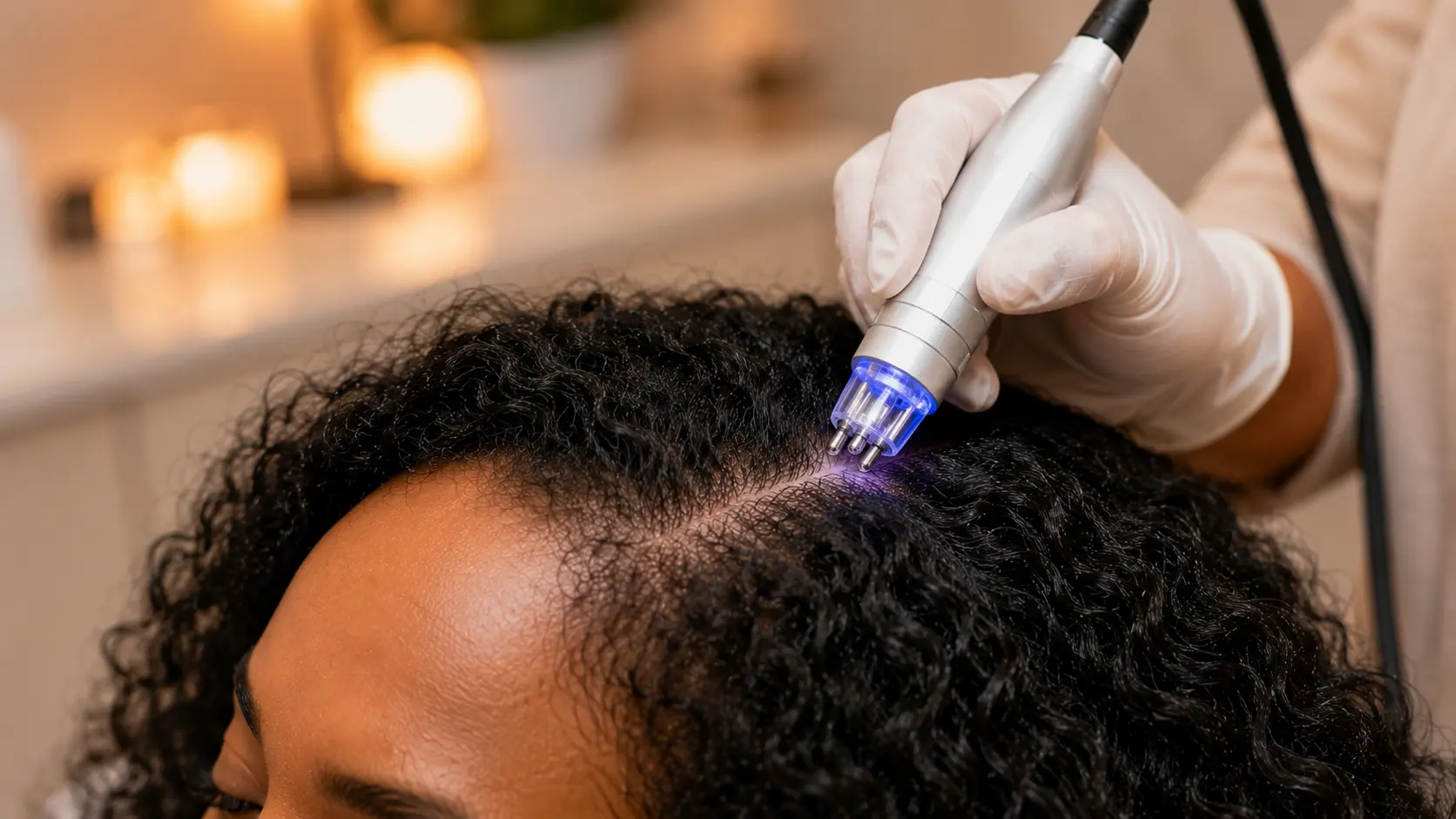
Shaft-repair protocols combining protein treatments, moisture balance, and scalp nourishment. We address the source of damage (chemical processing, heat tools, tight styling) and design a transition plan. For combined breakage and follicular thinning, we layer in PRP or mesotherapy.
Explore our treatment methods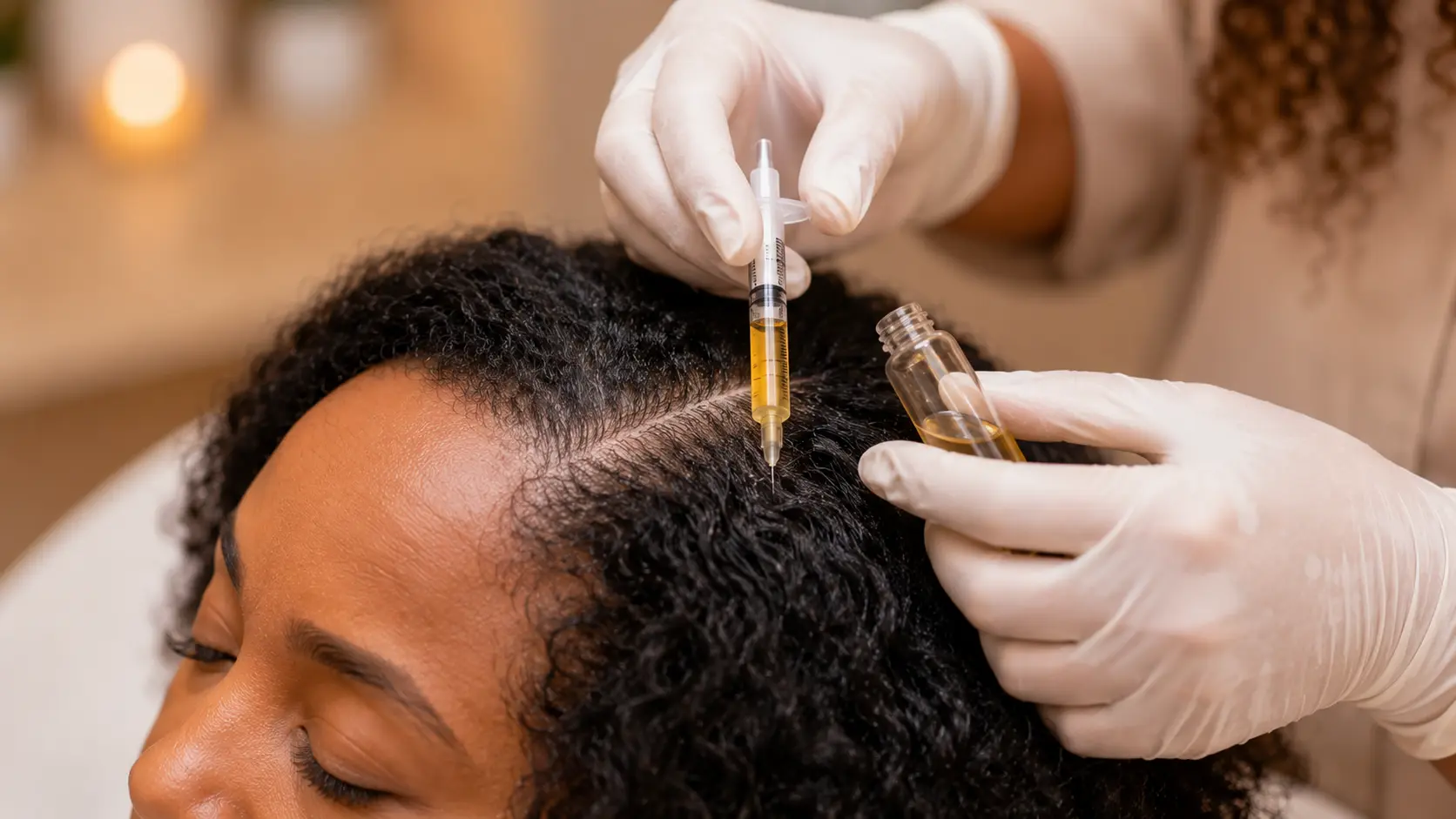
Breakage and Hair Loss Are Two Different Problems
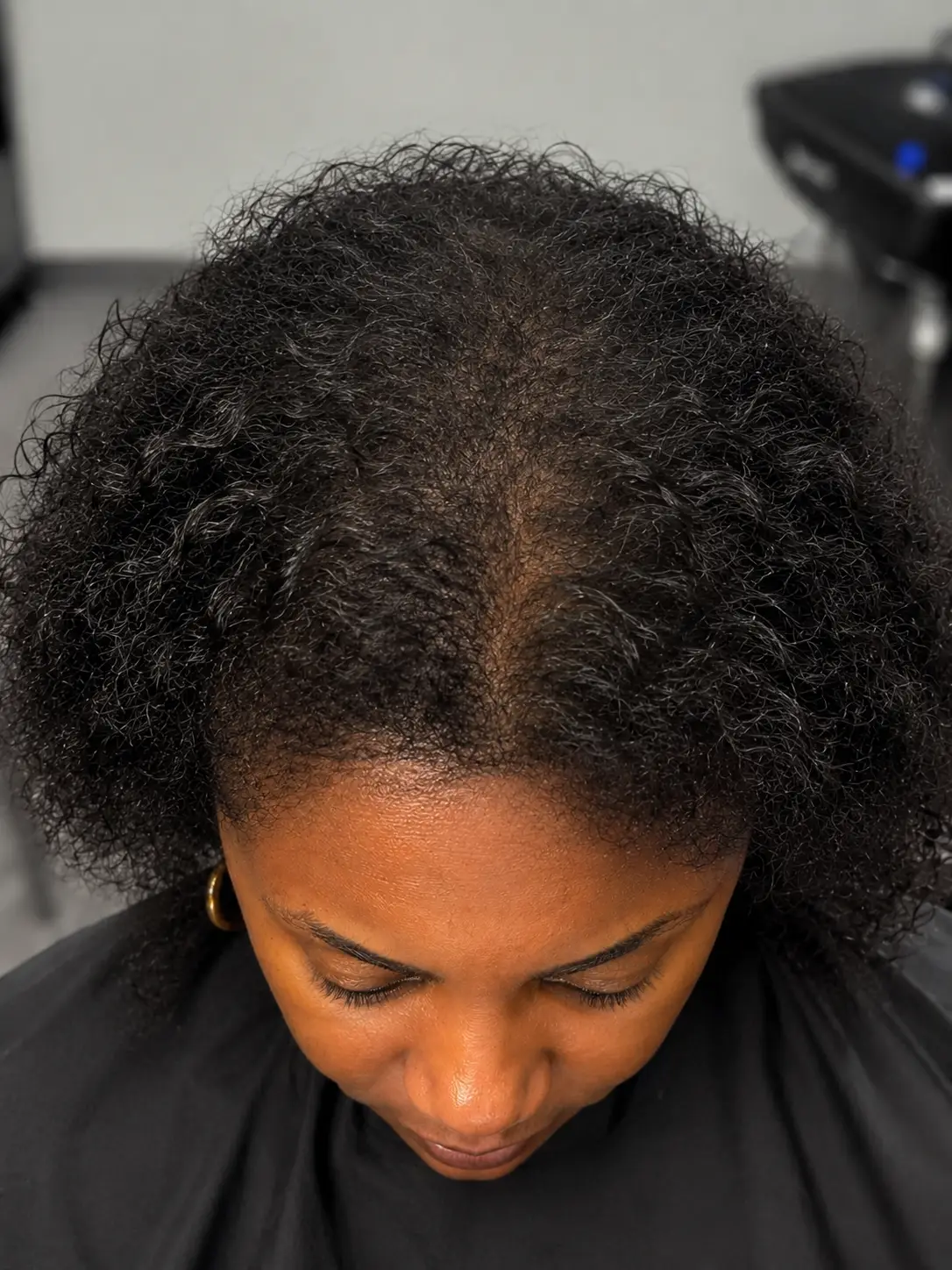
In hair loss, the follicle stops producing. In breakage, the follicle is doing its job and the strand snaps before it reaches full length. Both look the same in the mirror: less density, shorter hair, a ponytail that keeps getting thinner. The treatments have almost nothing in common, which is why guessing is expensive.
Trichoscopy settles it. Under 200x magnification, a certified trichologist can see whether shafts are tapering at the root (miniaturization, a follicle problem) or fracturing mid-length with frayed ends and white nodes (trichorrhexis nodosa, a shaft problem). Chemical, thermal, and mechanical damage each leave a distinct signature on the cuticle.
Many clients arrive with both at once. Years of relaxers, flat irons, and tight styling weaken the shaft while sustained tension quietly damages the follicle. Our evaluation separates the two, prices the damage honestly, and builds a repair protocol that addresses the source instead of masking the ends.
Evidence
What the Research Says About Shaft Damage
The hair shaft is a keratin composite with three layers: cuticle, cortex, and in thicker hair a medulla. Mechanical strength lives in the cortex, and the cuticle is the armor protecting it. Once cuticle scales lift or strip, the cortex loses moisture and fractures under normal styling force.
Thermal damage has a measurable threshold. Studies of heat styling report keratin denaturation beginning around 150 to 175 degrees Celsius, with bubble hair formation and cortical cavitation at higher temperatures. Most consumer flat irons run well past that range.
Chemical relaxers and permanent color break disulfide bonds by design. Research on chemically treated hair documents reduced tensile strength and increased porosity after repeated processing, with damage accumulating rather than resetting between services.
Trichorrhexis nodosa, the white node pattern visible on trichoscopy, is the classic sign of this cumulative injury. Dermatology literature describes it as the most common hair shaft abnormality and notes that it resolves when the causative practice stops and the damaged length grows out.
Investment
What Repair Costs
The $99 evaluation includes 45 minutes with a certified trichologist and 200x trichoscopy of both scalp and shaft. That visit tells you whether you are dealing with breakage, follicular loss, or both.
In-clinic repair sessions typically run $150 to $400 depending on the therapies used. Most breakage protocols use 4 to 8 sessions across three to four months, paired with a home regimen and a styling transition plan.
Call (678) 561-4522 for pricing and package options.
Timeline
Repair Timeline
Damaged hair cannot be permanently repaired, only supported until it grows out. The protocol protects new growth while you retain the length you have.
Common Questions
Hair Breakage FAQ
Related
You May Also Want To Read
Condition
Traction Alopecia
Hair loss caused by tight hairstyles and chronic tension on the follicle.
Read more
Condition
Alopecia Areata
Autoimmune hair loss that appears as smooth, round patches on the scalp.
Read more
Condition
Central Centrifugal Cicatricial Alopecia (CCCA)
Scarring alopecia beginning at the crown, most common in Black women.
Read moreTreatment
Treatments for Hair Breakage
Your hair is telling you something. Let's find out what.
A 30-minute evaluation. A certified trichologist. A 200x trichoscopy scan of your scalp. And real answers before you leave the building. Your next step is $99 and one appointment away.