
Condition
Scalp Folliculitis Treatment: Trichologist-Led Infection and Inflammation Care
Inflamed follicles that interrupt healthy growth.
Get your scalp folliculitis evaluatedOur Approach
How We Treat Folliculitis / Scalp Inflammation
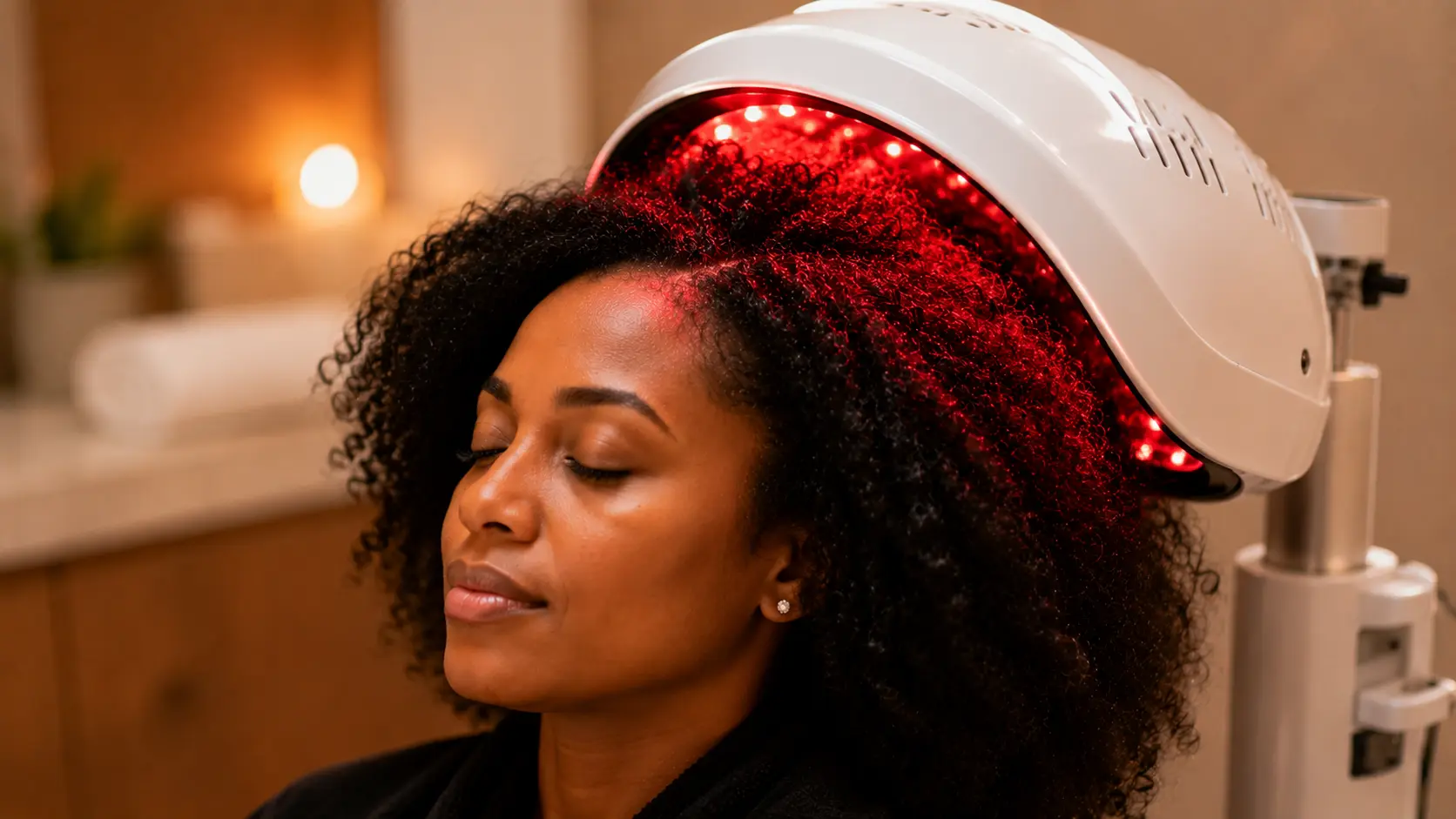
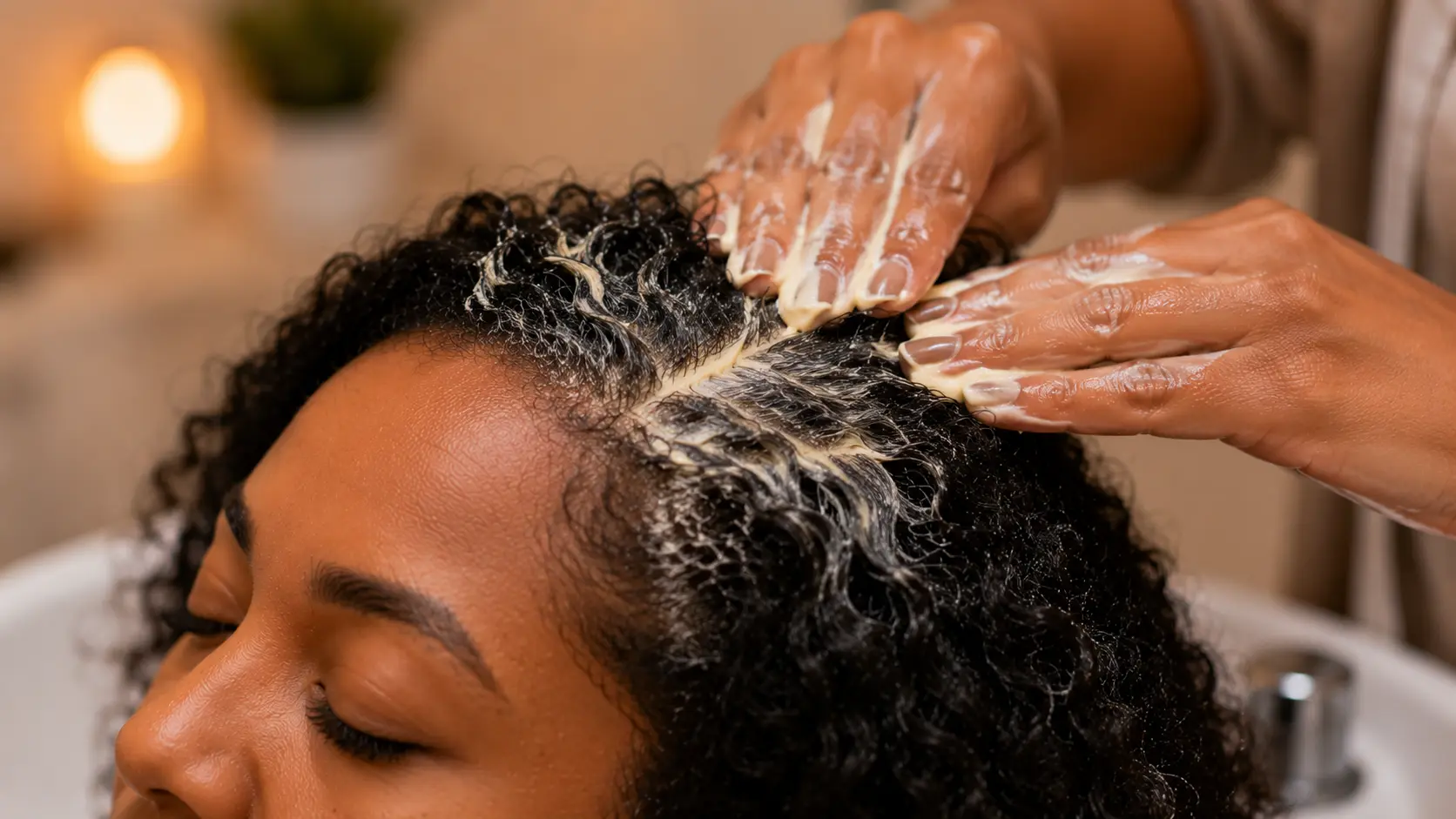
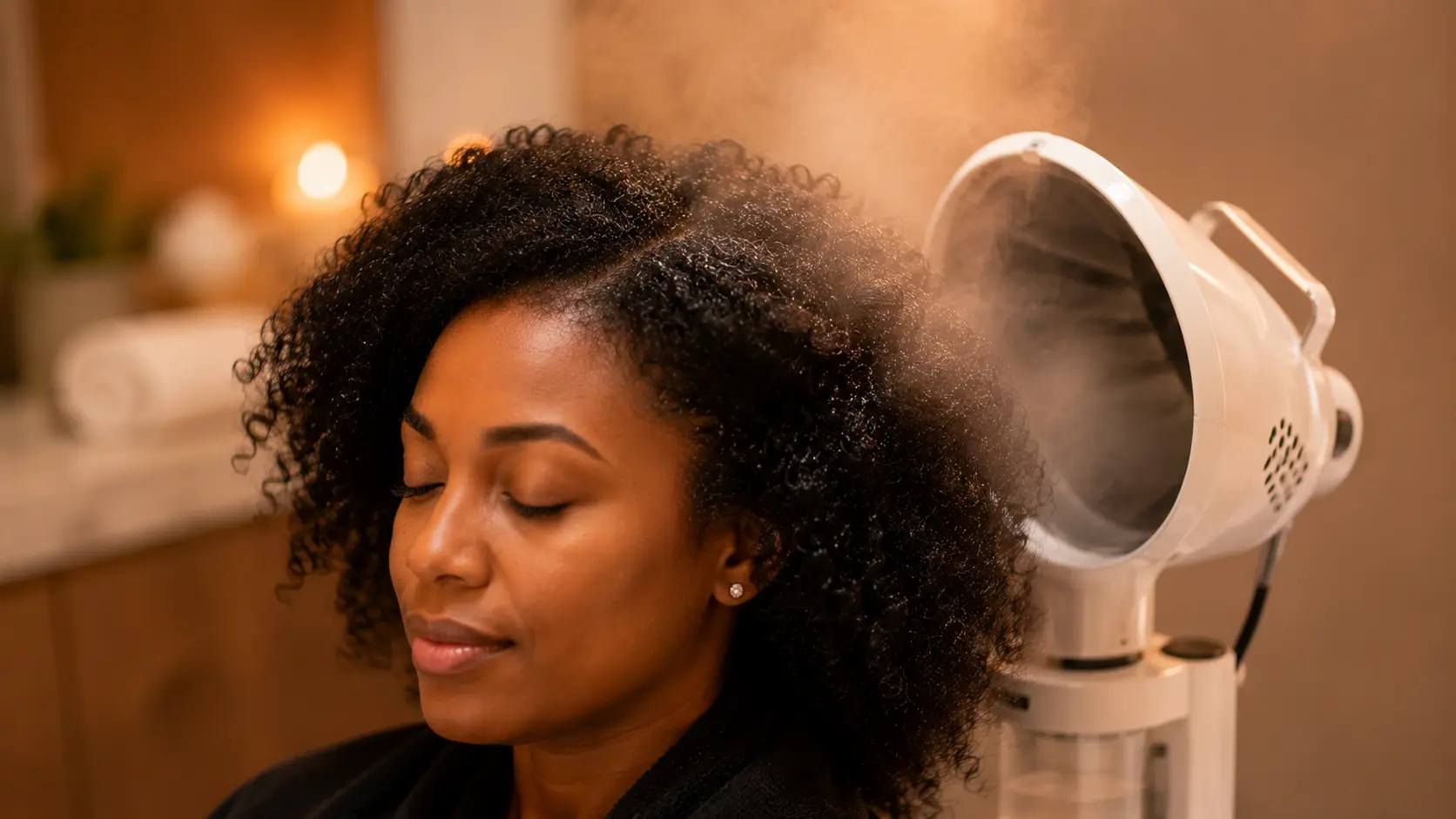
Anti-microbial scalp protocols paired with light therapy and internal anti-inflammatory support.
Explore our treatment methodsWhat Is Scalp Folliculitis?
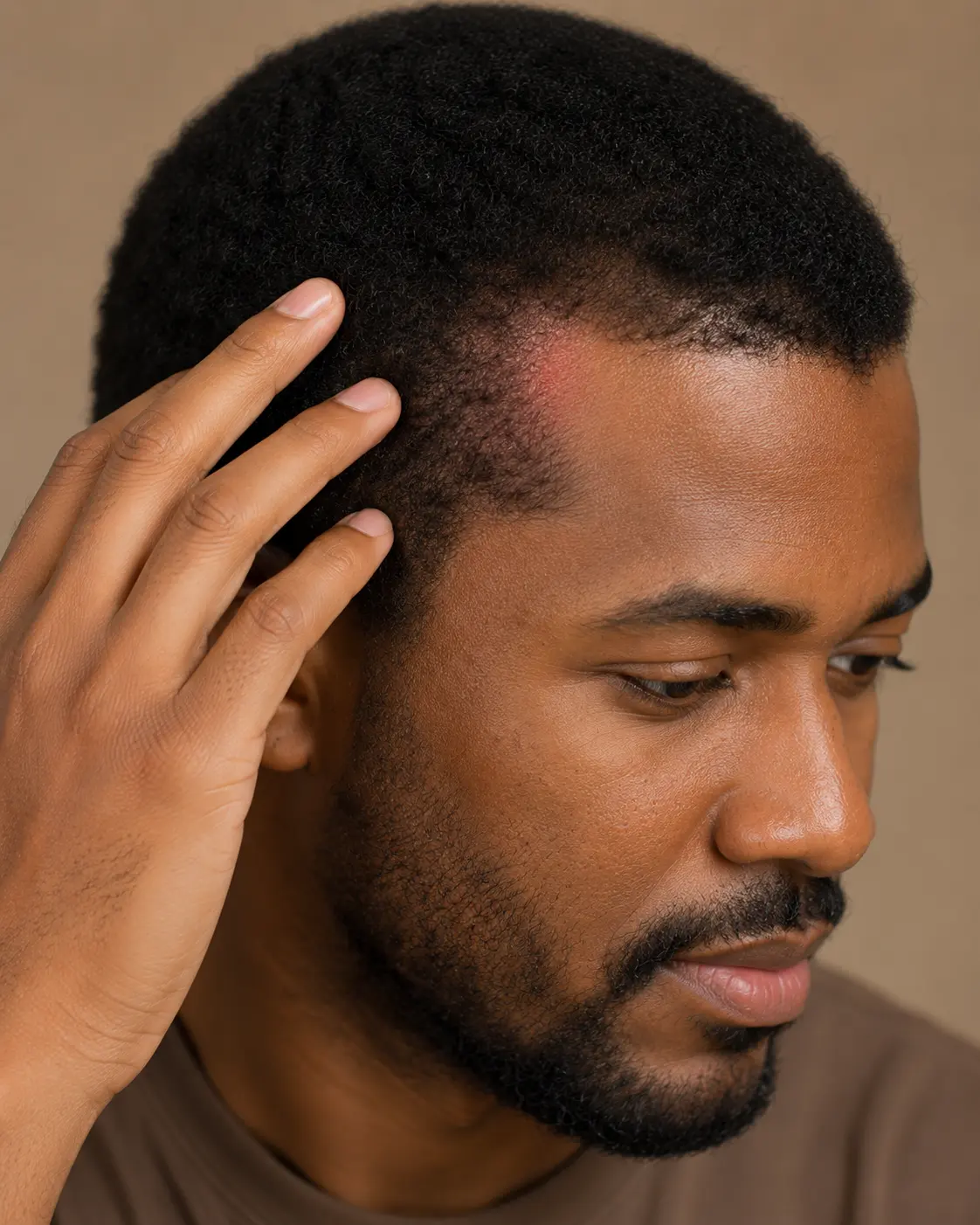
Scalp folliculitis is an infection or inflammation of the hair follicles on the scalp. It appears as small, red, pus-filled bumps clustered around hair shafts, often resembling acne on the scalp. The condition can be caused by bacteria (most commonly Staphylococcus aureus), fungi (Malassezia or dermatophytes), or non-infectious inflammation from clogged follicles, product buildup, or irritation. Scalp folliculitis ranges from mild cases with scattered bumps and itching to severe, chronic forms like folliculitis decalvans, where deep infection can destroy follicles and cause permanent scarring hair loss. According to dermatology research, bacterial folliculitis is the most common form, but fungal folliculitis (pityrosporum folliculitis) is frequently misdiagnosed as acne or seborrheic dermatitis because the symptoms overlap significantly.
At Atlanta Trichology, certified trichologists evaluate scalp folliculitis with trichoscopy, a 200x magnification scan that differentiates between bacterial, fungal, and inflammatory folliculitis by examining the pattern of follicular involvement, the nature of pustule formation, perifollicular scaling, and whether scarring has begun. This imaging is critical because the treatment for bacterial folliculitis differs substantially from the treatment for fungal folliculitis, and using the wrong approach (antibiotics for a fungal infection, or antifungals for a bacterial one) prolongs the condition and risks follicle damage. Trichoscopy also reveals whether the folliculitis has progressed to folliculitis decalvans, where permanent hair loss is at stake.
Dr. Nina Ross designed the scalp folliculitis protocol at Atlanta Trichology to treat the infection on the scalp surface while investigating why the immune system allowed the infection to take hold. While your certified trichologist manages the scalp with antimicrobial treatments, scalp detoxification, and follicle-protective therapies, Dr. Ross evaluates internal factors that predispose patients to chronic or recurring folliculitis: immune function, blood sugar regulation, gut health, hormonal imbalances, and nutrient deficiencies. Recurrent scalp folliculitis is rarely just a surface problem.
Evidence
Does Scalp Folliculitis Treatment Work?
Scalp folliculitis is highly treatable when the underlying cause is correctly identified. Bacterial folliculitis responds to targeted antimicrobial therapy. Fungal folliculitis responds to antifungal treatment. The challenge is distinguishing between them, because the symptoms overlap and the wrong treatment class is ineffective. Trichoscopy significantly improves diagnostic accuracy compared to visual assessment alone.
A 2020 study in the Journal of the European Academy of Dermatology and Venereology found that trichoscopy identified specific patterns associated with bacterial versus fungal folliculitis, allowing clinicians to select targeted treatment without waiting for culture results. Patients who received trichoscopy-guided treatment had faster resolution and lower recurrence rates than those treated empirically.
Research published in Dermatologic Therapy in 2019 demonstrated that combination therapy (topical antimicrobial treatment paired with scalp environment restoration and systemic support) produced significantly better outcomes for chronic scalp folliculitis than single-modality treatment. The multimodal approach reduced recurrence rates by 45% over 12 months compared to topical treatment alone.
A 2018 review in the International Journal of Dermatology confirmed that photobiomodulation has both anti-inflammatory and antimicrobial properties relevant to folliculitis management. Low-level laser therapy reduced bacterial load and inflammatory markers in treated skin, supporting its use as an adjunct to standard antimicrobial treatment.
The functional medicine component is supported by research showing that recurrent skin infections correlate with immune dysfunction, insulin resistance, and micronutrient deficiencies. A 2021 study in the Journal of Clinical Medicine found that patients with recurrent folliculitis were significantly more likely to have suboptimal vitamin D levels, zinc deficiency, and elevated fasting insulin. Correcting these factors reduced infection recurrence in the study group.
Investment
How Much Does Scalp Folliculitis Treatment Cost?
Scalp folliculitis treatment at Atlanta Trichology is priced per session within your personalized protocol. The cost depends on the severity and type of your folliculitis, which treatments your trichologist recommends, and whether the protocol includes functional medicine support from Dr. Ross.
Nationally, dermatologist visits for scalp folliculitis cost $150 to $300 per appointment, with prescription antibiotics or antifungals adding $20 to $100 per month. Chronic cases requiring extended antibiotic courses or specialized compounded topicals can cost significantly more. At Atlanta Trichology, the protocol addresses both the infection and the underlying predisposition, reducing the likelihood of recurring treatment costs from repeated infections.
Mild folliculitis often resolves within 4 to 6 sessions. Chronic or recurrent folliculitis requires a longer treatment arc, typically 8 to 16 weeks of active treatment followed by maintenance visits. Package pricing is available for ongoing protocols.
Start with the $99 trichoscopy evaluation. Your certified trichologist scans the scalp at 200x magnification, identifies the type of folliculitis, checks for follicular damage or early scarring, and builds a treatment plan with transparent pricing before you commit to anything.
Timeline
Scalp Folliculitis Treatment: What to Expect
Treatment timeline depends on the type and severity of folliculitis, how long the condition has been present, whether scarring has occurred, and individual immune response. Chronic folliculitis that has been recurring for months or years typically requires a longer treatment arc than a first-time episode.
Real Result
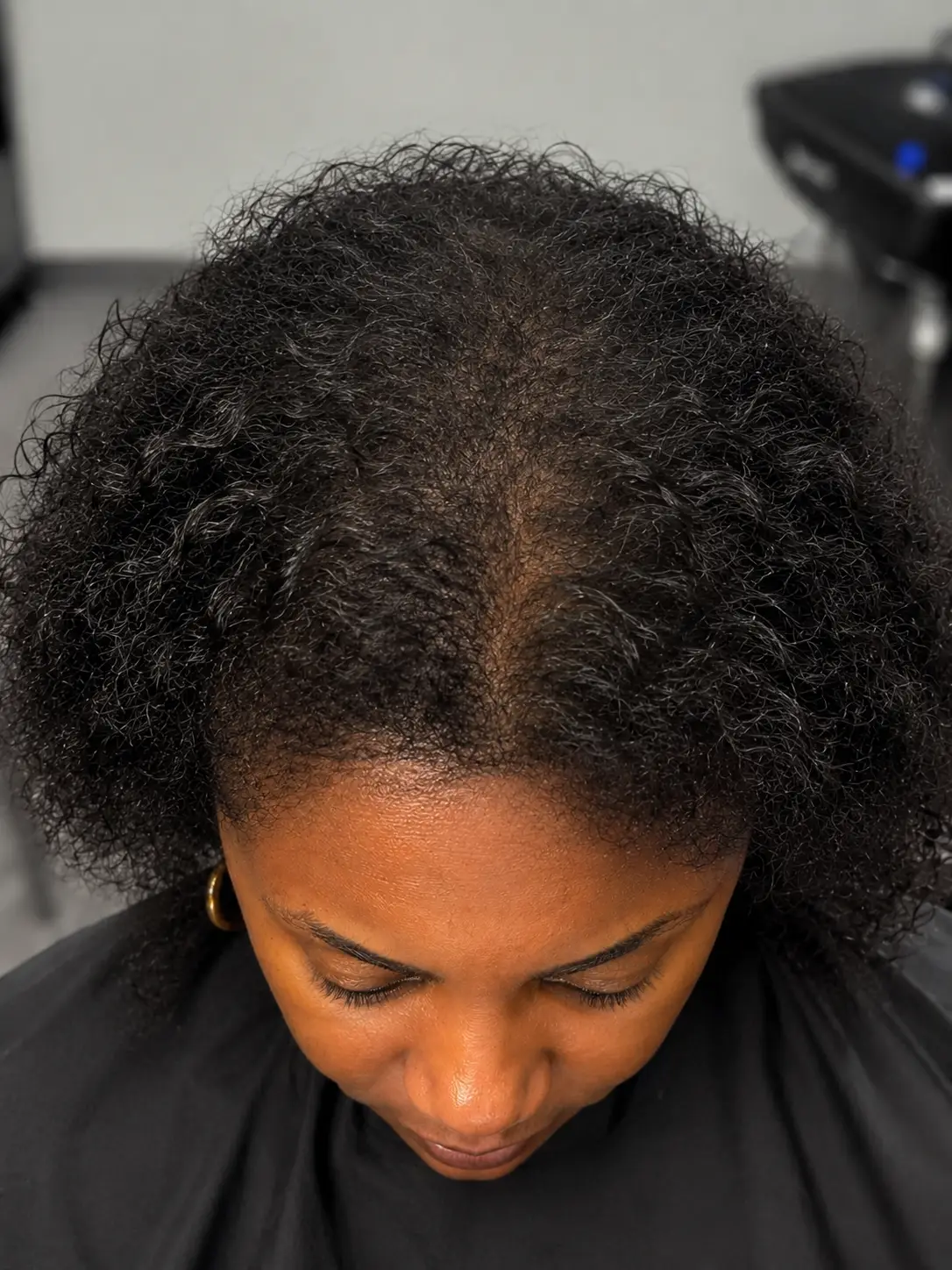
A case treated for Folliculitis / Scalp Inflammation
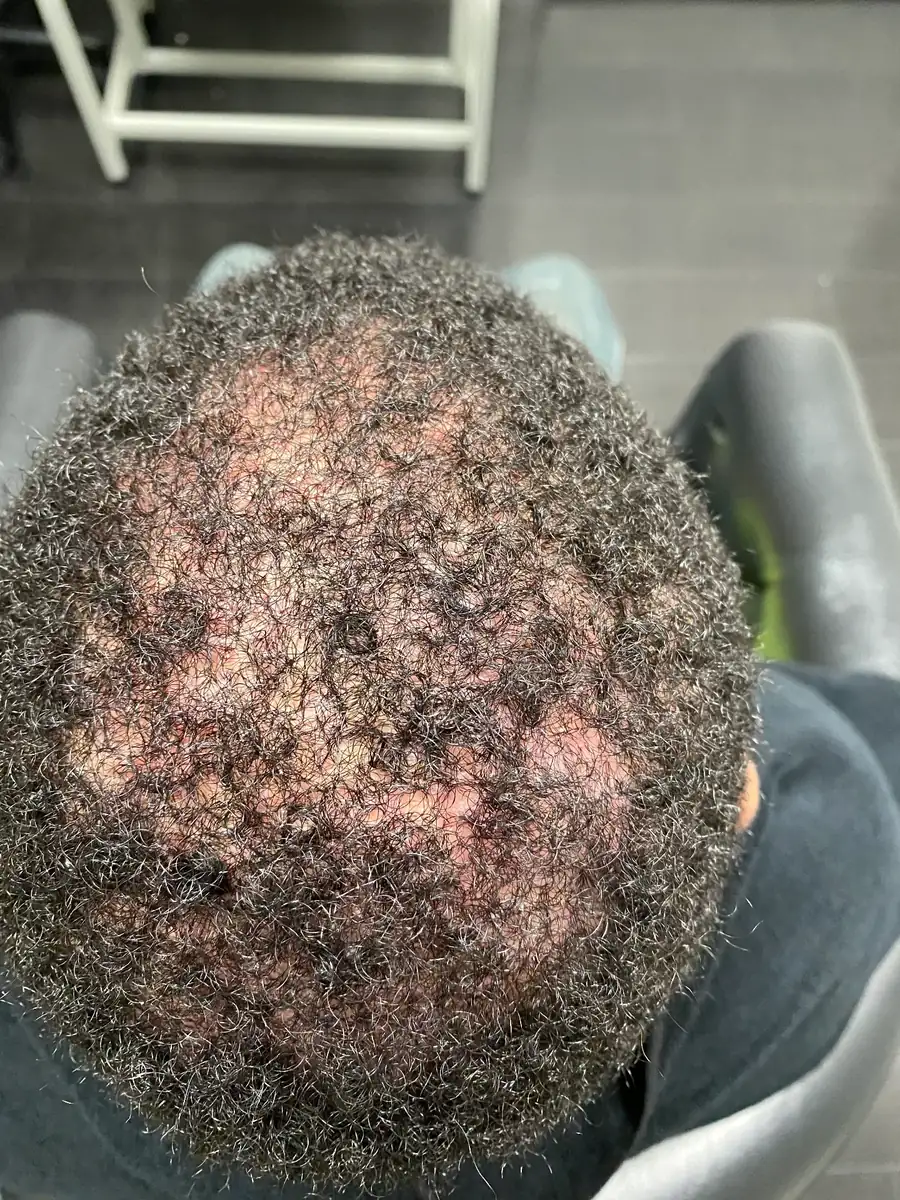 Before
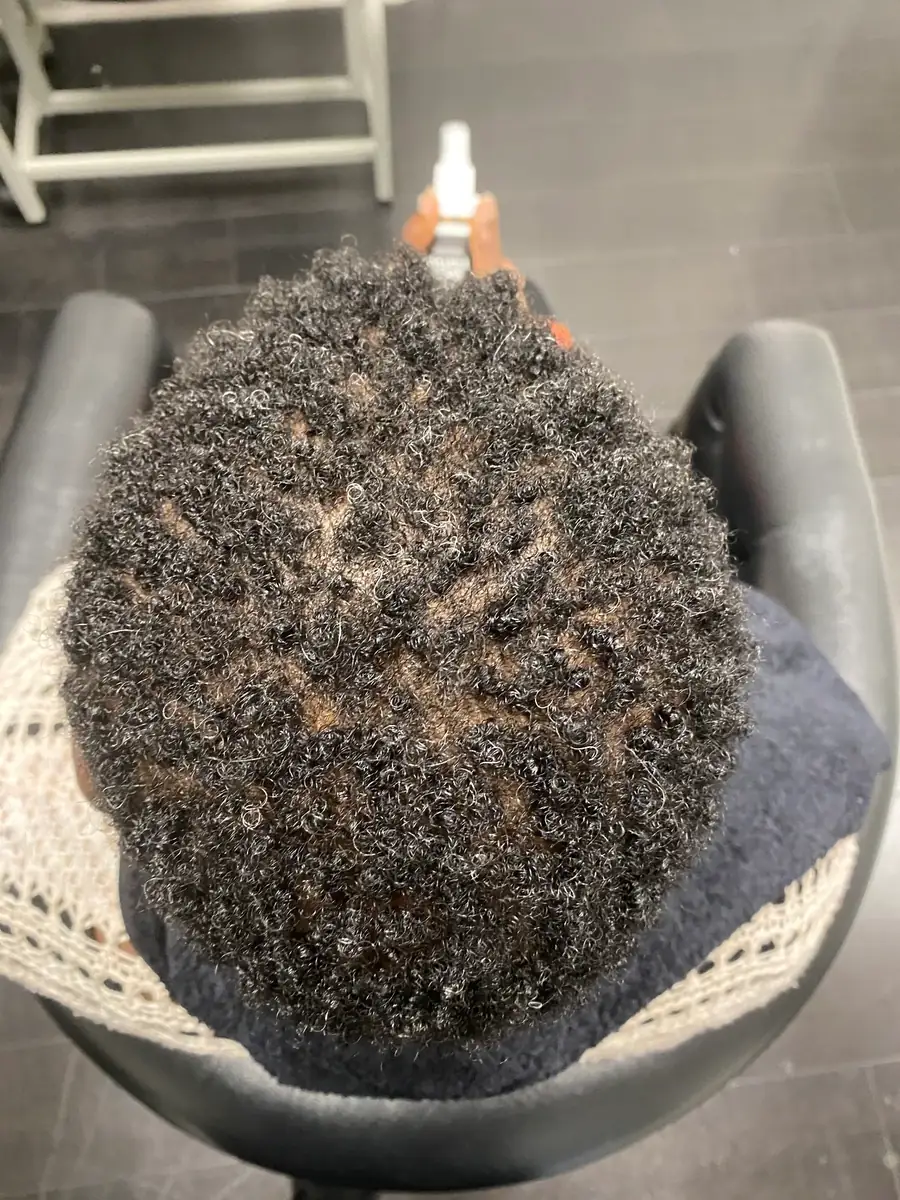 After
AfterCommon Questions
Frequently Asked Questions About Scalp Folliculitis
Related
You May Also Want To Read
Condition
Traction Alopecia
Hair loss caused by tight hairstyles and chronic tension on the follicle.
Read more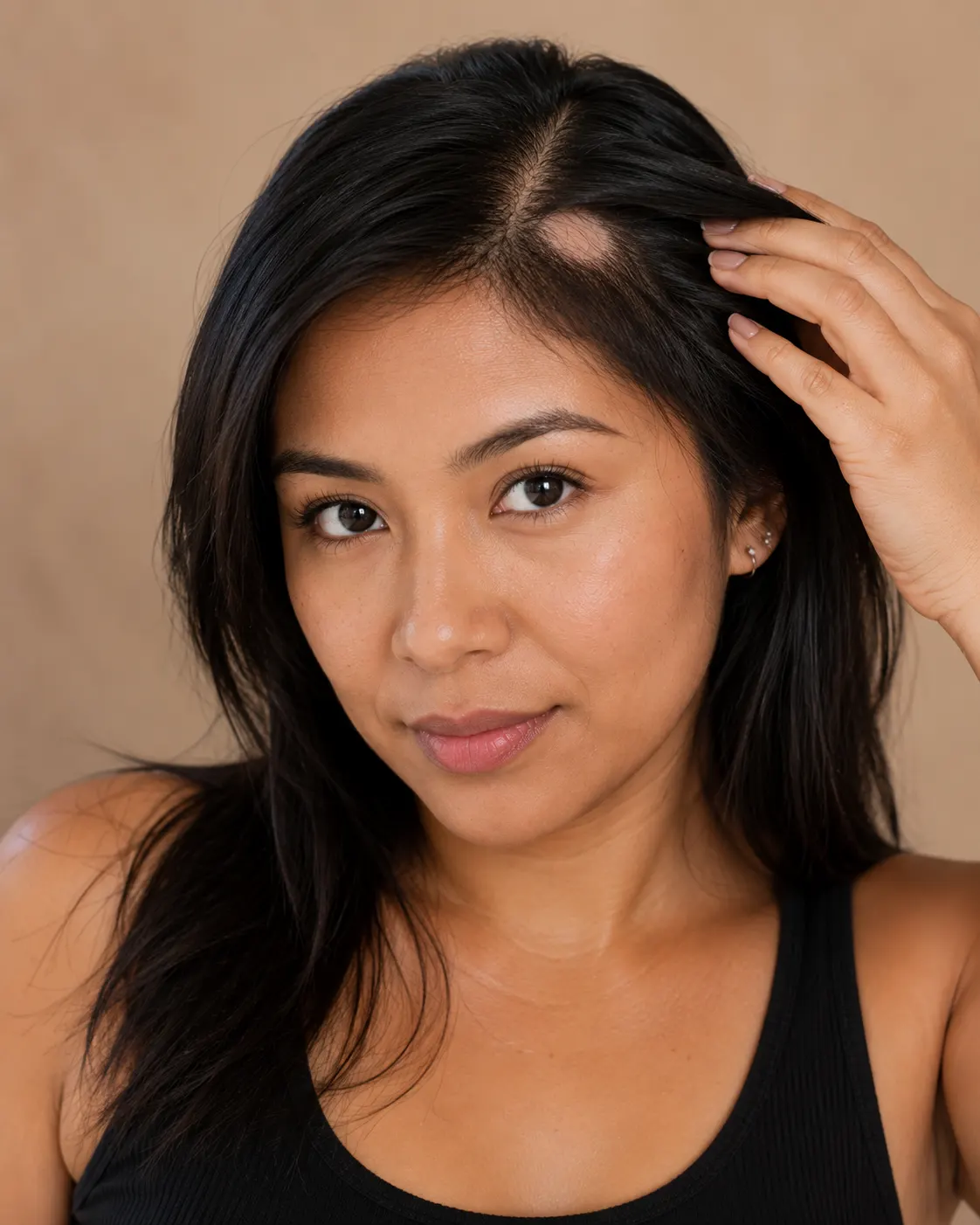
Condition
Alopecia Areata
Autoimmune hair loss that appears as smooth, round patches on the scalp.
Read more
Condition
Central Centrifugal Cicatricial Alopecia (CCCA)
Scarring alopecia beginning at the crown, most common in Black women.
Read moreTreatment
Treatments for Folliculitis / Scalp Inflammation
Your hair is telling you something. Let's find out what.
A 30-minute evaluation. A certified trichologist. A 200x trichoscopy scan of your scalp. And real answers before you leave the building. Your next step is $99 and one appointment away.