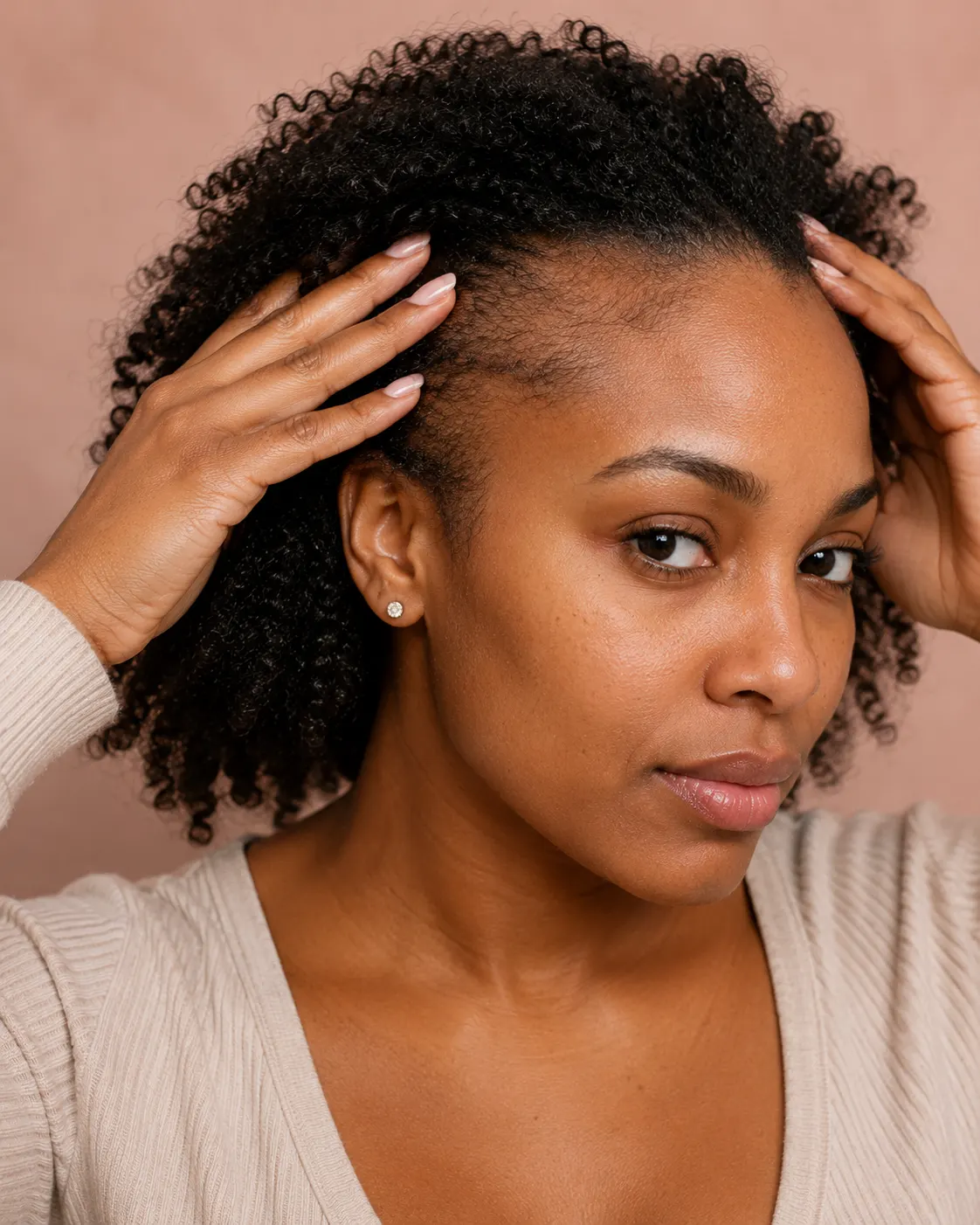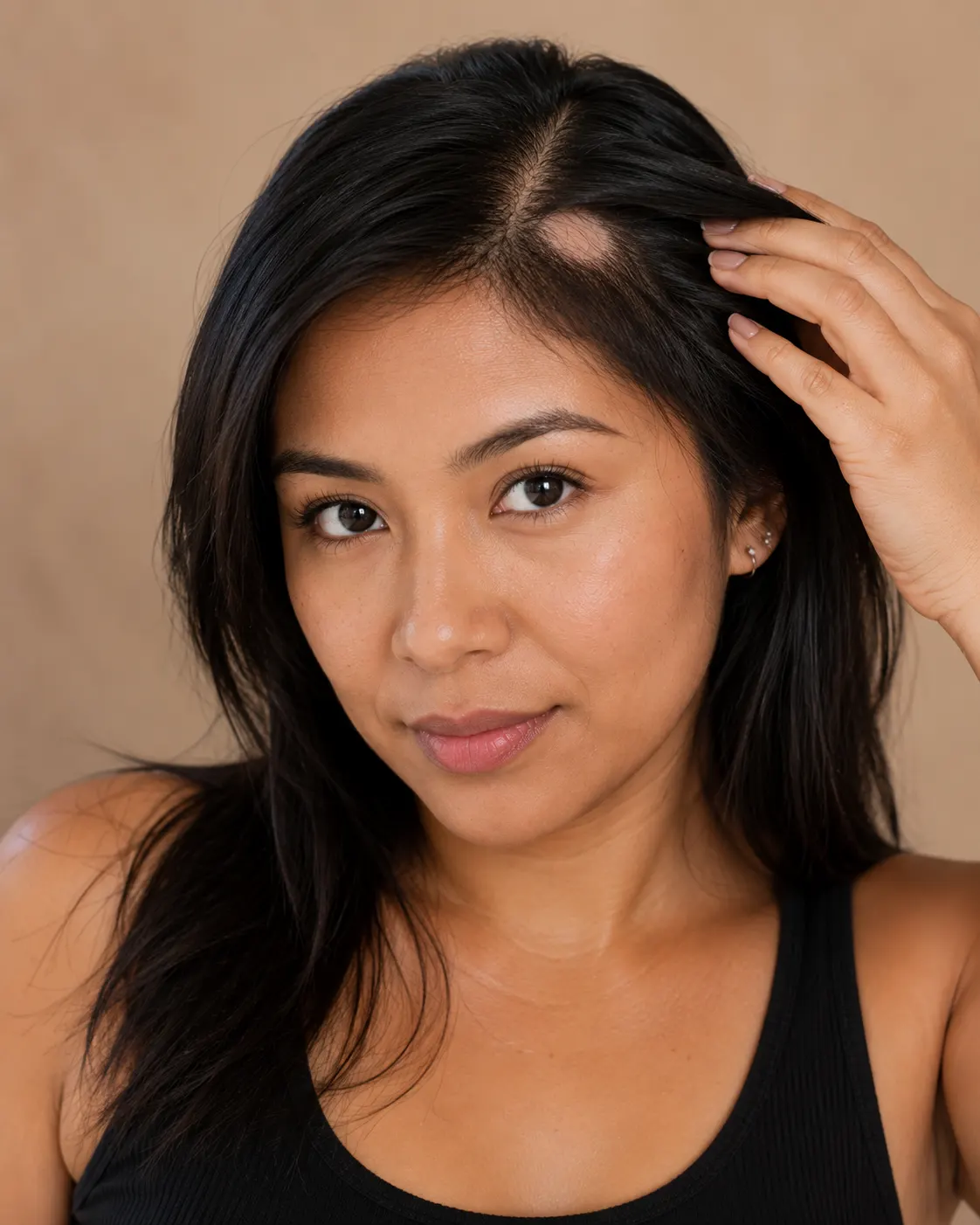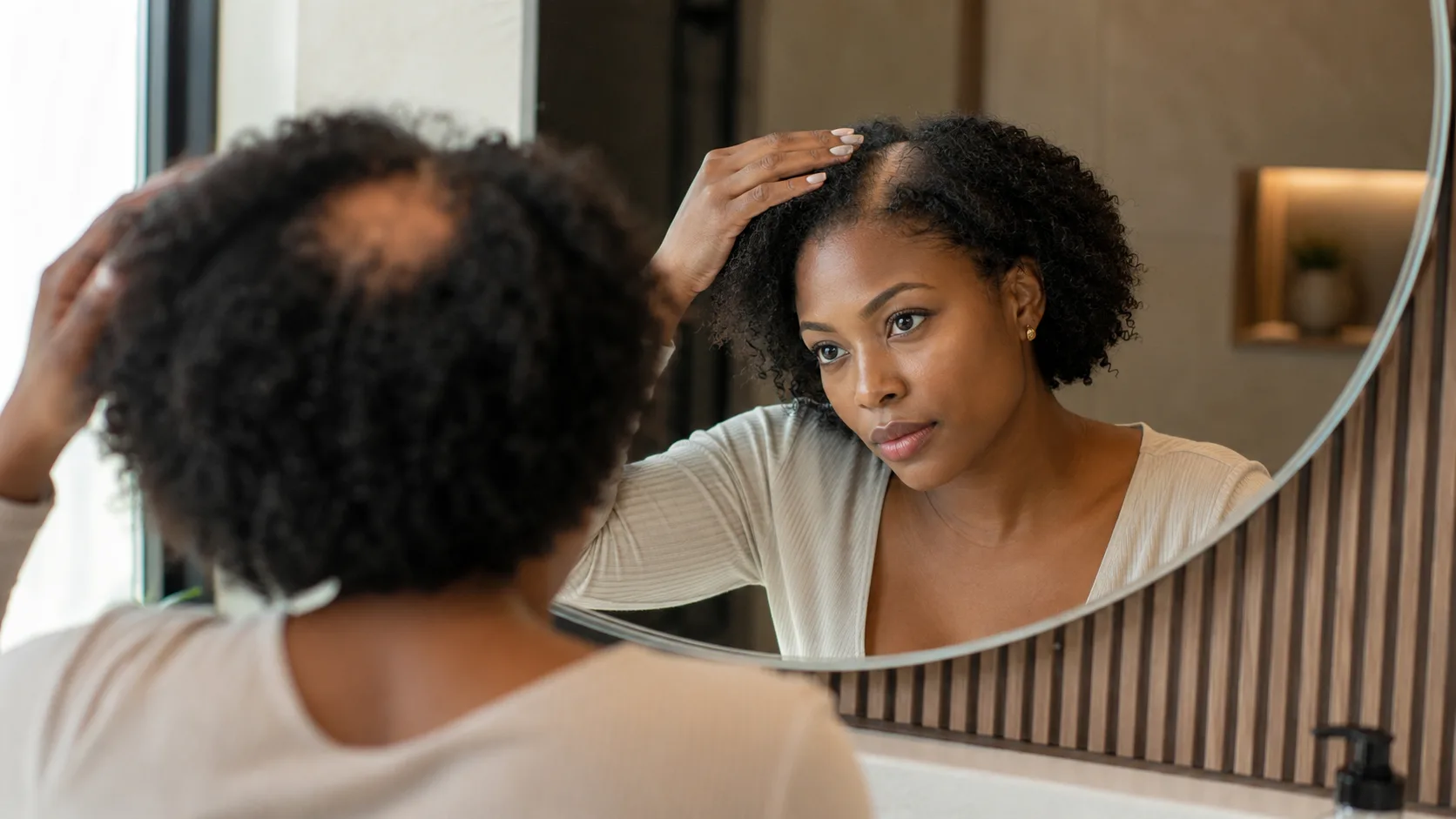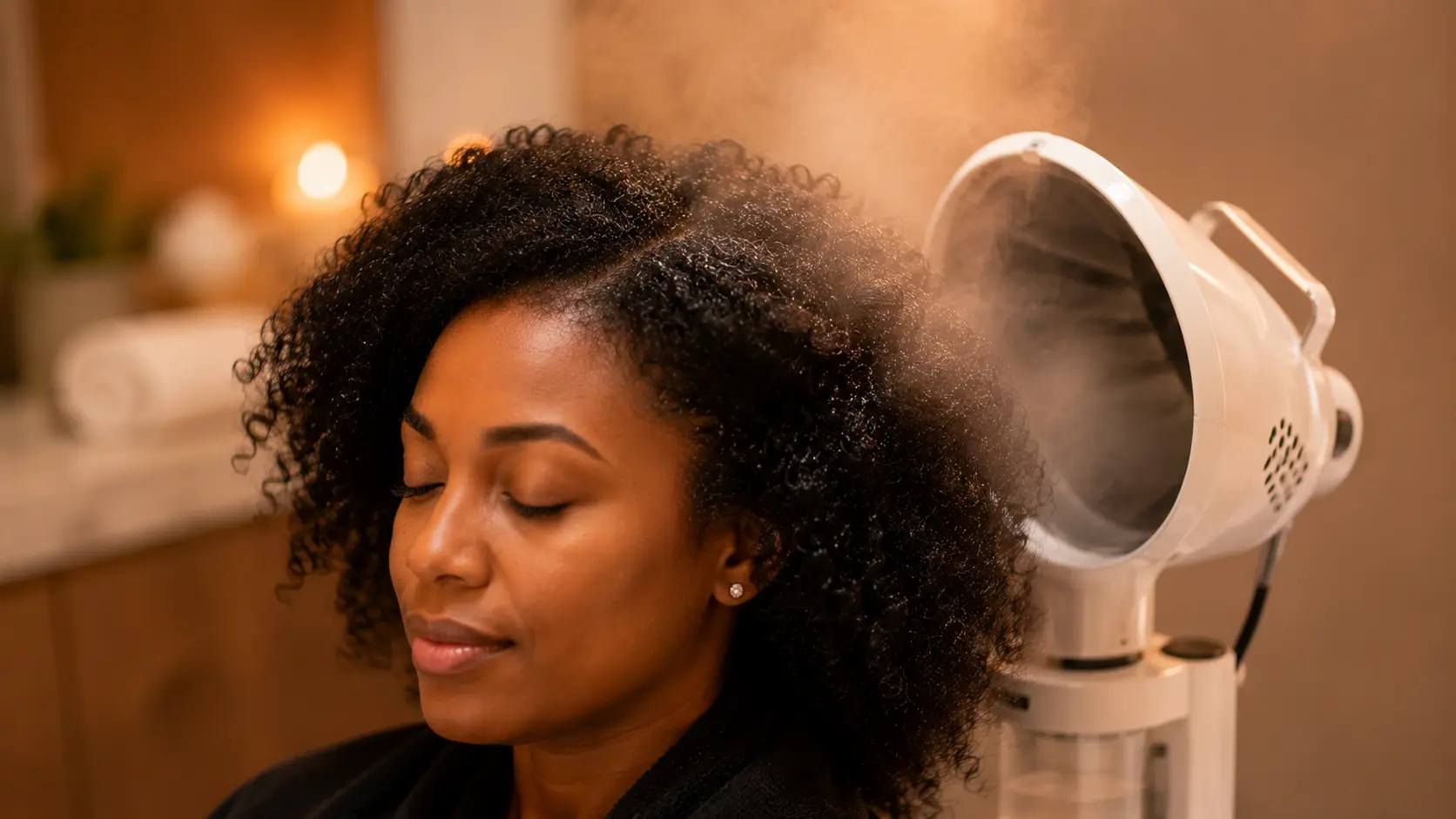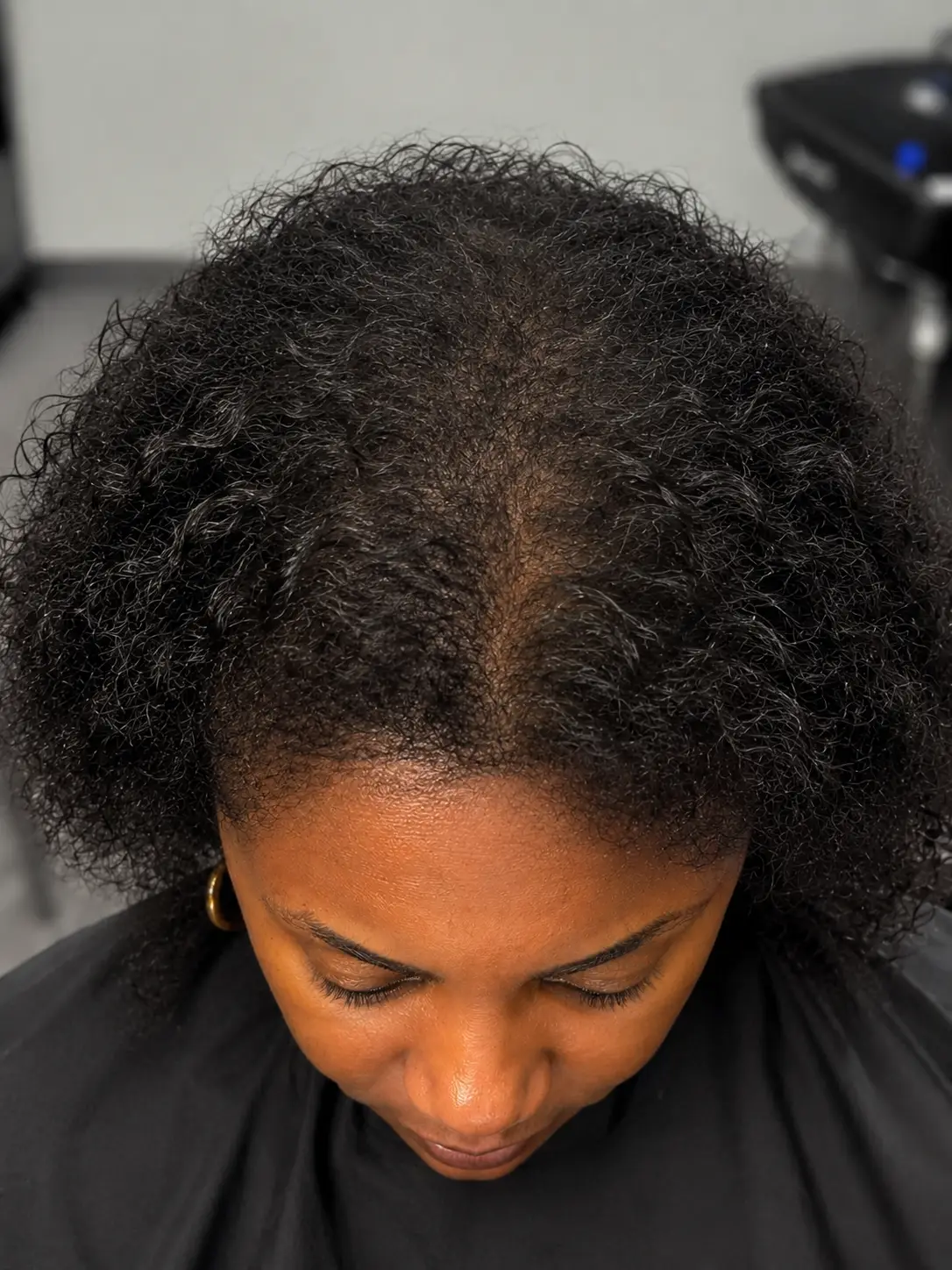
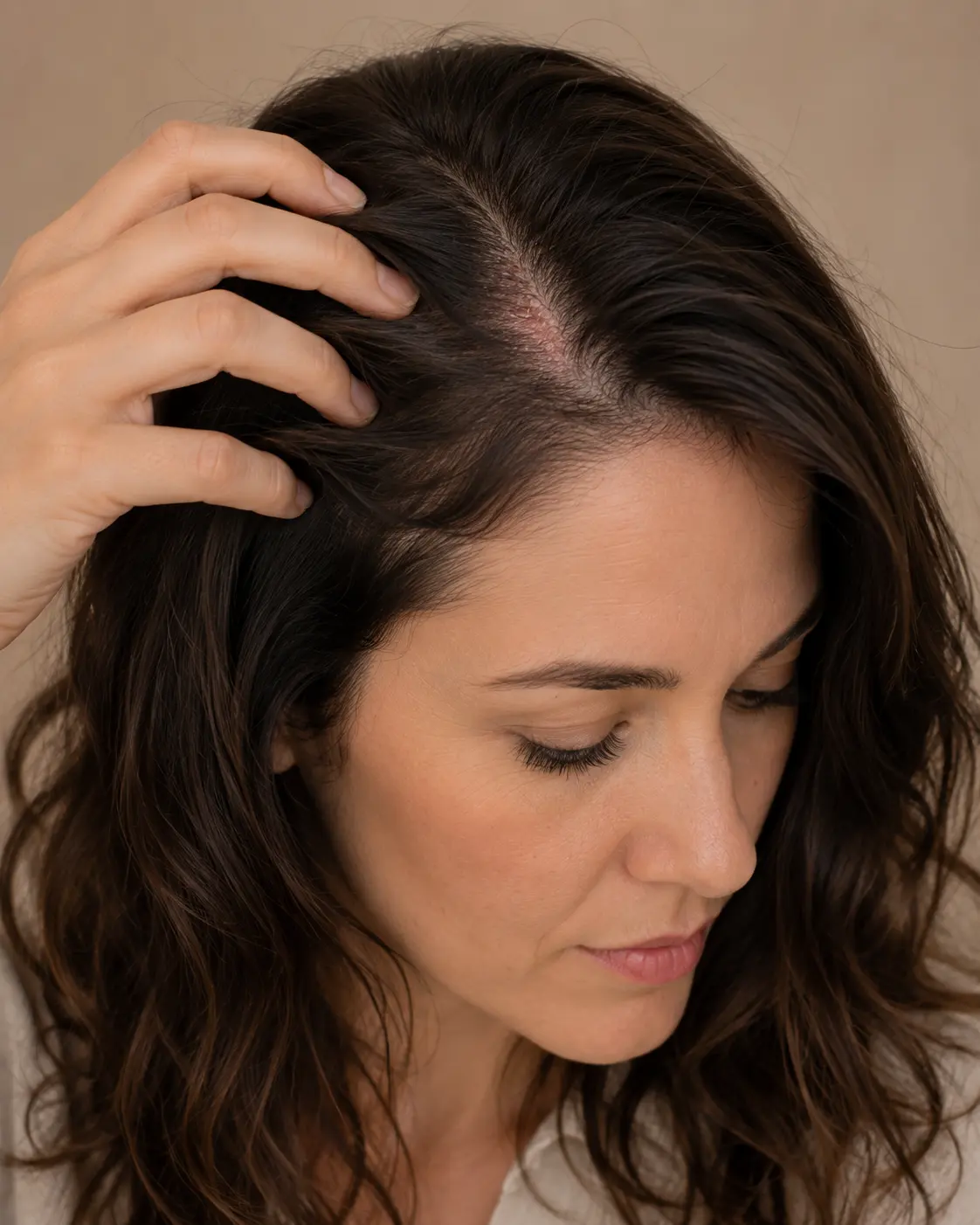
Certified trichologist performing trichoscopy on a patient with seborrheic dermatitis at Atlanta Trichology in Sandy Springs GA
Fig. 01 · Seborrheic Dermatitis

Seborrheic Dermatitis Scalp Treatment That Stops Hair Loss at the Source

Inflamed, flaky scalp leading to hair loss.

Stop Scalp Inflammation Before More Hair Falls Out

Signs to Watch For

  • Greasy or waxy scales

  • Itching and redness

  • Flakes that re-form quickly

  • Burning or tenderness

  • Shedding around inflamed patches

How We Treat Seborrheic Dermatitis

Anti-inflammatory scalp protocols, microbiome support, and gentle exfoliating treatments.

Explore our treatment methods
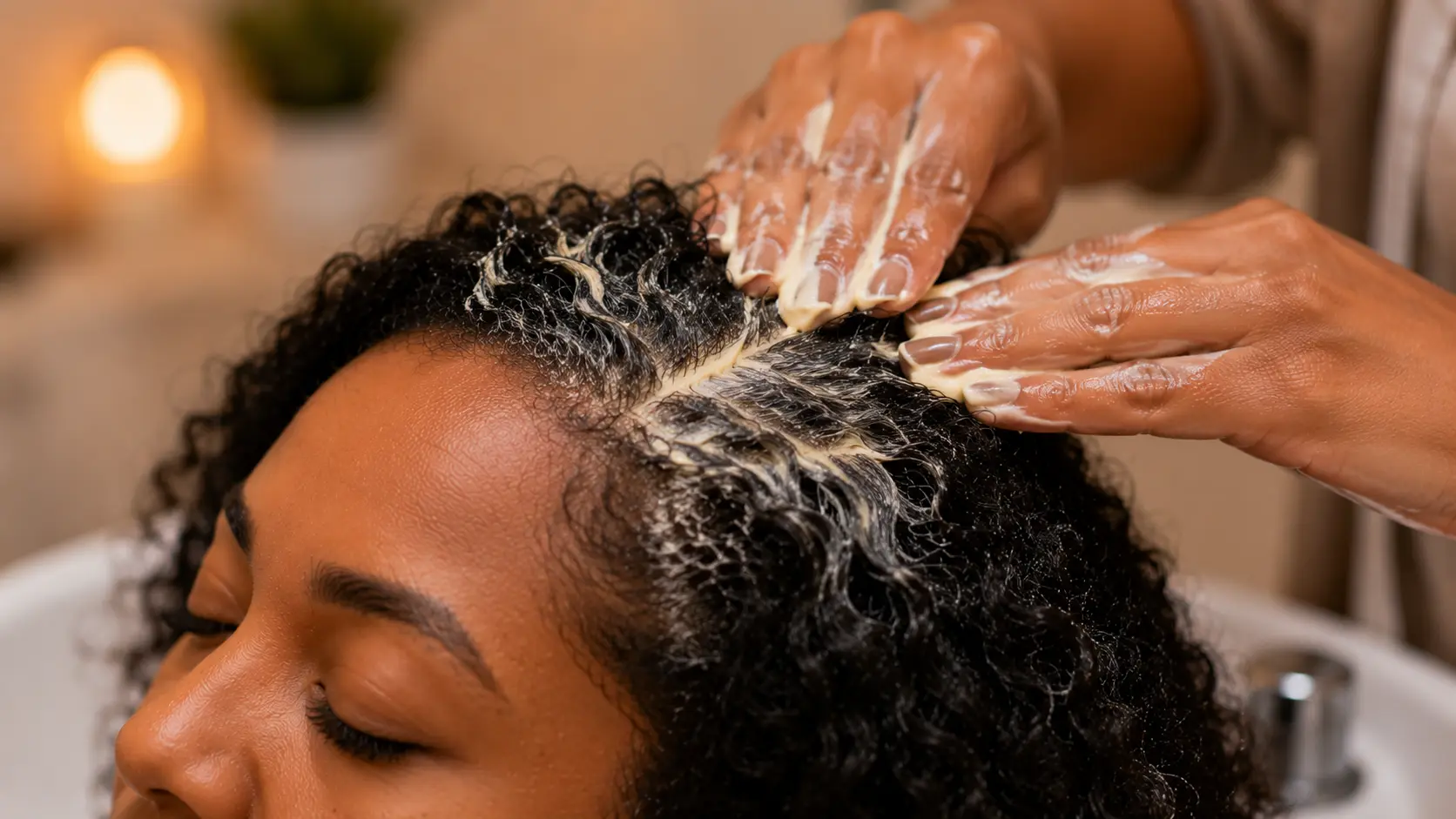
When Scalp Inflammation Becomes Hair Loss

Seborrheic dermatitis affects over 5% of the U.S. population, and for many, the condition goes far beyond flaking and itching. Chronic scalp inflammation triggers a process called perifollicular fibrosis, where scar tissue slowly encircles hair follicles and chokes off new growth. That is how seborrheic dermatitis causes hair loss, and why dandruff shampoos alone rarely solve the problem.

Atlanta Trichology treats seborrheic dermatitis at the follicle level. Our certified trichologists use trichoscopy to measure inflammation depth, identify Malassezia yeast overgrowth, and map which follicles are still viable. From there, we build a protocol that calms the scalp microbiome, reverses perifollicular damage, and restores the hair growth cycle. Because seborrheic dermatitis hair loss is reversible when caught before permanent fibrosis sets in, early trichological assessment changes outcomes.

Scalp Dermatitis Treatment Protocol

Each protocol targets the inflammation-to-fibrosis pathway that makes seborrheic dermatitis a hair loss condition, not just a cosmetic concern.

Seborrheic dermatitis treatment at Atlanta Trichology addresses both the visible scalp condition and the hidden follicular damage that drives hair loss.

The Science of Seborrheic Dermatitis and Hair Loss

Research published in the Journal of the American Academy of Dermatology confirms that seborrheic dermatitis accelerates telogen conversion, pushing growing hairs into the shedding phase prematurely. The mechanism centers on Malassezia yeast metabolism: these fungi break down scalp sebum into oleic acid and other irritants that trigger an inflammatory immune response around hair follicles.

A 2022 study in the International Journal of Dermatology found that 72% of patients with chronic seborrheic dermatitis showed measurable hair density loss on trichoscopic analysis, even when they reported no hair loss symptoms. This subclinical thinning often goes undetected without professional trichoscopic evaluation, which is why the condition frequently reaches advanced stages before patients seek treatment.

Trichoscopy provides diagnostic specificity that clinical observation alone cannot match. Peer-reviewed literature in Skin Appendage Disorders demonstrates that trichoscopic markers like perifollicular scaling, follicular plugging, and arborizing red lines reliably distinguish seborrheic dermatitis from scalp psoriasis, a differentiation that changes the entire treatment approach.

The link between dandruff and hair loss is well established in dermatological research. A study in the Indian Journal of Dermatology showed that patients with persistent dandruff had 10% lower hair density than matched controls, with the deficit correlating to inflammation duration rather than severity. Early intervention with targeted anti-inflammatory protocols halted and reversed density loss in 83% of cases within six months.

Atlanta Trichology's protocol integrates these evidence-based findings into a structured treatment sequence. Dr. Nina Ross designed the approach around the inflammation-fibrosis timeline, prioritizing anti-inflammatory interventions in the first phase and follicular regeneration in the second.

Seborrheic Dermatitis Treatment Cost

Your scalp evaluation starts at $99 and includes a 45-minute trichoscopy session where a certified trichologist maps inflammation zones, identifies Malassezia overgrowth patterns, and assesses follicular viability across the affected areas. This diagnostic baseline determines which treatments will be most effective for your specific presentation of seborrheic dermatitis.

Treatment protocols for seborrheic dermatitis typically range from $200 to $500 per session depending on severity and the combination of therapies required. Mild cases with recent onset may respond to 4 to 6 sessions. Chronic seborrheic dermatitis with established hair loss often requires 8 to 12 sessions for full scalp recovery and measurable regrowth.

Atlanta Trichology offers payment plans and packages that reduce per-session cost for multi-visit protocols. Call (678) 561-4522 to discuss pricing for your situation.

Seborrheic Dermatitis Hair Loss Recovery Timeline

  1. 01

    Weeks 1 through 4

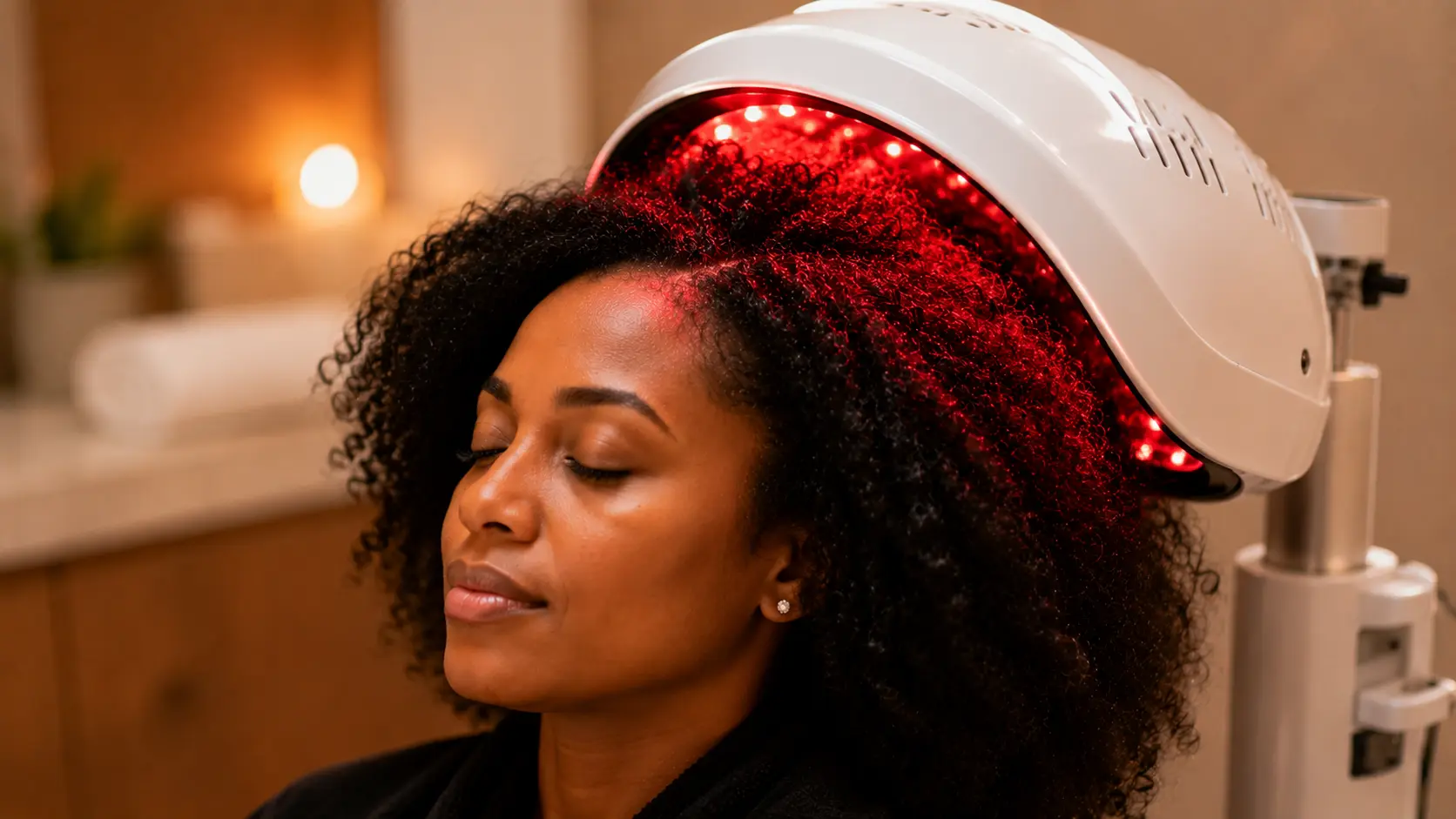
    Initial trichoscopy assessment maps inflammation depth and follicular damage. Anti-inflammatory protocols begin with LLRT and clinical scalp masking to reduce Malassezia colonization and calm active flares. Most patients see visible reduction in flaking and itching within the first two sessions.

  2. 02

    Months 2 through 3

    Scalp inflammation markers decrease measurably on follow-up trichoscopy. PRP or mesotherapy sessions target perifollicular fibrosis while microneedling breaks apart early scar tissue. The scalp transitions from an inflammatory to a regenerative state.

  3. 03

    Months 4 through 6

    New vellus hair growth becomes visible in previously thinned areas. Follicles freed from perifollicular fibrosis resume the anagen growth cycle. Trichoscopic comparison photos document density improvements.

  4. 04

    Months 7 through 12

    Hair density continues to improve as terminal hairs mature. Maintenance protocols keep Malassezia populations controlled and prevent inflammatory recurrence. Seborrheic dermatitis hair loss recovery reaches its full potential by month 10 to 12 for most patients.

Seborrheic dermatitis is a chronic condition. Maintenance visits every 6 to 8 weeks help prevent flare-related shedding cycles from restarting.

Seborrheic Dermatitis Treatment: Trichology vs. Other Approaches

AT Trichology Protocol
Trichoscopic diagnosis
Yes, every visit
Malassezia assessment
Quantified under magnification
Follicular damage evaluation
Detailed fibrosis mapping
Treatment approach
Multi-modal scalp restoration
Hair loss addressed
Primary treatment focus
Perifollicular fibrosis treatment
Microneedling and PRP
Recurrence prevention
Maintenance protocol with monitoring
Typical resolution
Scalp health and hair regrowth
Dermatologist (Rx Only)
Trichoscopic diagnosis
Rarely available
Malassezia assessment
Visual estimation
Follicular damage evaluation
Not typically assessed
Treatment approach
Topical steroids and antifungals
Hair loss addressed
Secondary concern
Perifollicular fibrosis treatment
Not offered
Recurrence prevention
Refill prescriptions
Typical resolution
Symptom suppression
OTC Dandruff Shampoo
Trichoscopic diagnosis
No
Malassezia assessment
No
Follicular damage evaluation
No
Treatment approach
Zinc pyrithione or ketoconazole
Hair loss addressed
Not addressed
Perifollicular fibrosis treatment
Not possible
Recurrence prevention
Ongoing product use
Typical resolution
Temporary flake reduction

Swipe to compare · 3 options

Dermatologists manage seborrheic dermatitis effectively as a skin condition. Trichologists add the follicular dimension: diagnosing and treating the hair loss that accompanies chronic scalp inflammation.

Seborrheic Dermatitis & Hair Loss FAQ

Does seborrheic dermatitis cause hair loss?

Yes. Seborrheic dermatitis causes hair loss through a process called perifollicular fibrosis. Chronic inflammation from Malassezia yeast overgrowth creates scar tissue around hair follicles, gradually restricting blood flow and nutrient delivery. This pushes follicles from the anagen growth phase into telogen shedding prematurely. A 2022 study found 72% of chronic seborrheic dermatitis patients showed measurable hair density loss on trichoscopy, even without noticeable thinning. The hair loss is typically diffuse rather than patterned, making it harder to detect visually in early stages. Trichoscopic assessment at Atlanta Trichology identifies subclinical thinning before it becomes visible, allowing treatment to begin when reversal is most achievable.

Does dandruff cause hair loss?

Persistent dandruff can cause hair loss when the underlying scalp inflammation damages hair follicles over time. Research in the Indian Journal of Dermatology showed patients with chronic dandruff had 10% lower hair density than matched controls, with the deficit correlating to inflammation duration. Dandruff is often a milder presentation of seborrheic dermatitis, and the same Malassezia yeast drives both conditions. When dandruff progresses beyond simple flaking to include itching, redness, and greasy scales, follicular damage accelerates. Atlanta Trichology's certified trichologists use trichoscopy to determine whether your dandruff has progressed to the point of affecting hair density, and our scalp treatment protocols address both the visible flaking and the follicular inflammation underneath.

Is seborrheic dermatitis hair loss reversible?

Seborrheic dermatitis hair loss is reversible in most cases when treated before permanent follicular scarring occurs. The critical factor is intervention timing. Early-stage perifollicular fibrosis responds well to treatments like microneedling and PRP that break apart scar tissue and stimulate follicular regeneration. Studies show 83% of patients with inflammation-driven hair loss recovered density within six months of starting targeted treatment. However, follicles that have been encased in dense fibrosis for years may not fully recover. Trichoscopy at Atlanta Trichology maps exactly which follicles are still viable and which have sustained permanent damage. This assessment determines realistic recovery expectations and guides treatment intensity. Most patients see new growth within 3 to 4 months of beginning our protocol.

What is the difference between scalp psoriasis and seborrheic dermatitis?

Scalp psoriasis and seborrheic dermatitis look similar but have different causes and require different treatments. Seborrheic dermatitis is driven by Malassezia yeast overgrowth and produces yellowish, greasy scales concentrated around sebaceous gland-rich areas. Scalp psoriasis is an autoimmune condition producing silvery-white, dry scales that often extend beyond the hairline. Under trichoscopy, the two conditions show distinct vascular patterns: seborrheic dermatitis displays arborizing red lines while psoriasis shows twisted loops and red dots. This distinction matters because treatments effective for one condition may worsen the other. Atlanta Trichology's trichoscopic evaluation provides definitive differentiation within the initial $99 assessment, ensuring your treatment protocol targets the correct condition from the start.

What causes seborrheic dermatitis?

Seborrheic dermatitis is caused by an inflammatory reaction to Malassezia yeast, a fungus that lives naturally on everyone's scalp. In susceptible individuals, Malassezia metabolizes scalp sebum into oleic acid and other irritating byproducts that trigger an immune response. Contributing factors include excess sebum production, compromised skin barrier function, stress, hormonal fluctuations, and immune system irregularities. Genetic predisposition plays a significant role, as the condition clusters in families. Neurological conditions like Parkinson's disease and HIV/AIDS increase susceptibility substantially. Atlanta Trichology's certified trichologists assess your specific triggers through comprehensive scalp analysis, identifying whether your seborrheic dermatitis stems primarily from Malassezia overgrowth, barrier dysfunction, hormonal influence, or a combination.

Is seborrheic dermatitis contagious?

Seborrheic dermatitis is not contagious. You cannot catch it from another person or spread it through shared combs, hats, or pillows. The Malassezia yeast that drives the condition already lives on virtually every human scalp. What makes some people develop seborrheic dermatitis is their individual immune response to the yeast's metabolic byproducts, not the presence of the yeast itself. Genetic factors, sebum composition, and immune function determine who develops symptoms. While the condition is not contagious, it is chronic and recurrent. Atlanta Trichology's maintenance protocols help manage flare frequency and prevent the repeated inflammation cycles that lead to cumulative follicular damage and hair loss over time.

How long does seborrheic dermatitis hair loss recovery take?

Seborrheic dermatitis hair loss recovery typically takes 4 to 8 months depending on how long the condition has been present and the degree of follicular damage. Scalp inflammation usually resolves within the first 4 to 6 weeks of treatment, with visible reduction in flaking and itching. New vellus hair growth appears around months 3 to 4 as follicles freed from perifollicular fibrosis re-enter the anagen growth phase. Terminal hair maturation continues through months 6 to 10. Chronic cases lasting several years may require 10 to 12 months for maximum recovery. Atlanta Trichology tracks progress with trichoscopic comparison images at each visit, providing measurable documentation of follicular recovery. Early treatment consistently produces faster and more complete results.

What is the difference between seborrheic dermatitis and dandruff?

Dandruff and seborrheic dermatitis exist on the same spectrum. Dandruff is the mildest form, producing white, dry flakes with minimal inflammation. Seborrheic dermatitis is the more severe presentation, characterized by yellowish, greasy scales, redness, itching, and measurable scalp inflammation. Both are driven by Malassezia yeast, but seborrheic dermatitis involves a more aggressive immune response. The hair loss risk increases significantly with seborrheic dermatitis because the deeper inflammation reaches the follicular level. A trichoscopic evaluation at Atlanta Trichology can determine exactly where your condition falls on this spectrum and whether your follicles are being affected. The $99 assessment includes detailed scalp mapping that distinguishes superficial flaking from the perifollicular inflammation that threatens hair density.

BEGIN

Your hair is telling you something. Let's find out what.

A 30-minute evaluation. A certified trichologist. A 200x trichoscopy scan of your scalp. And real answers before you leave the building. Your next step is $99 and one appointment away.