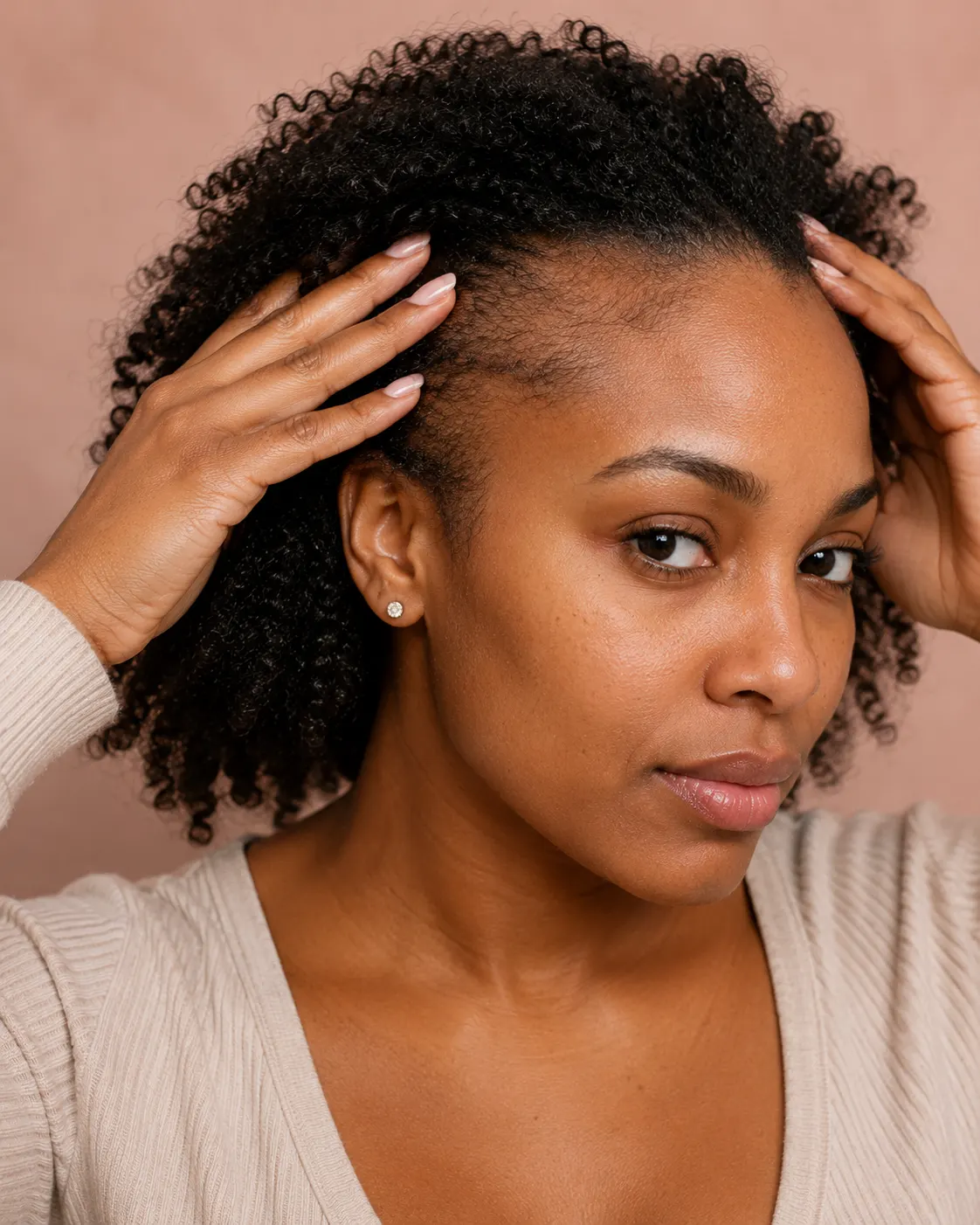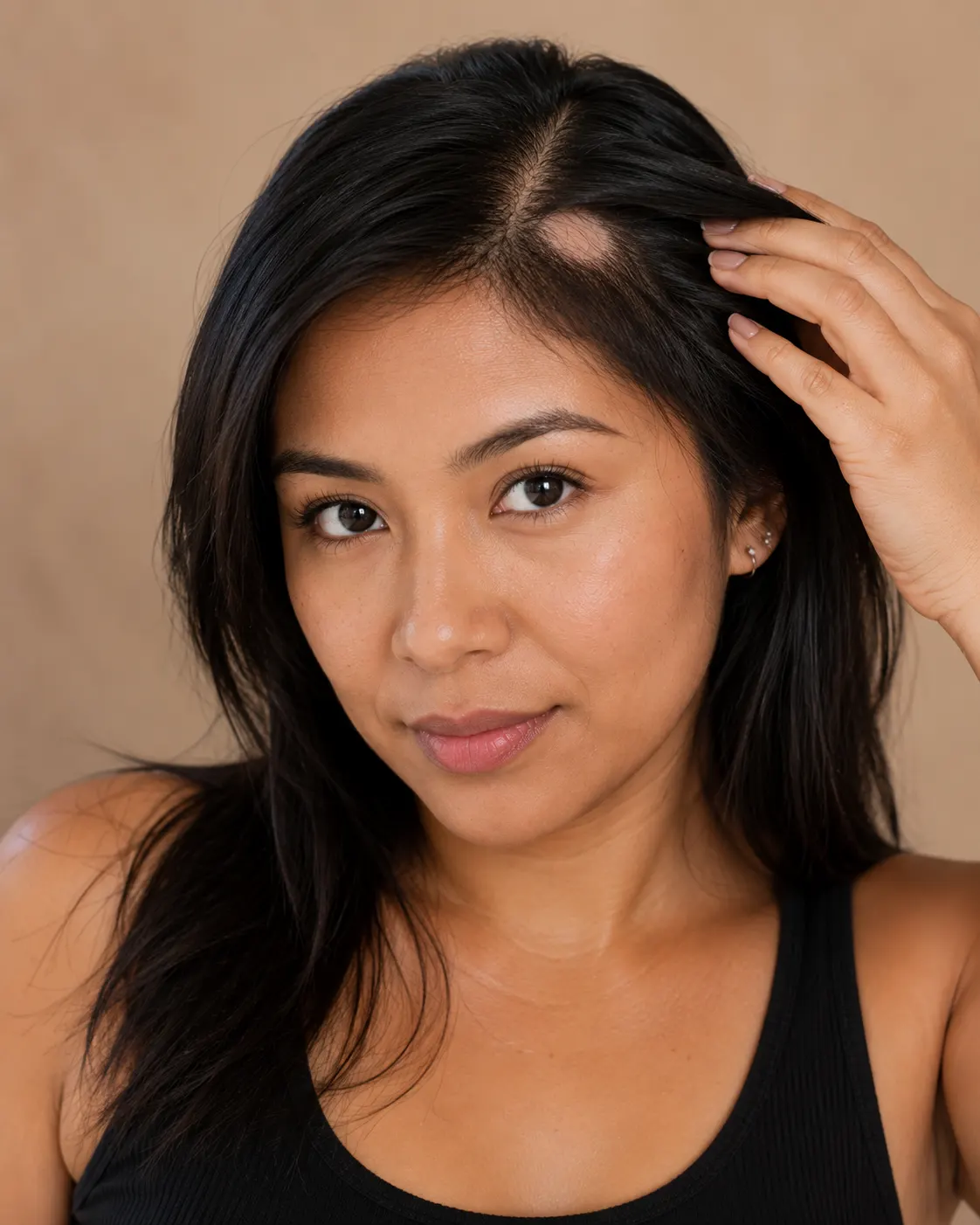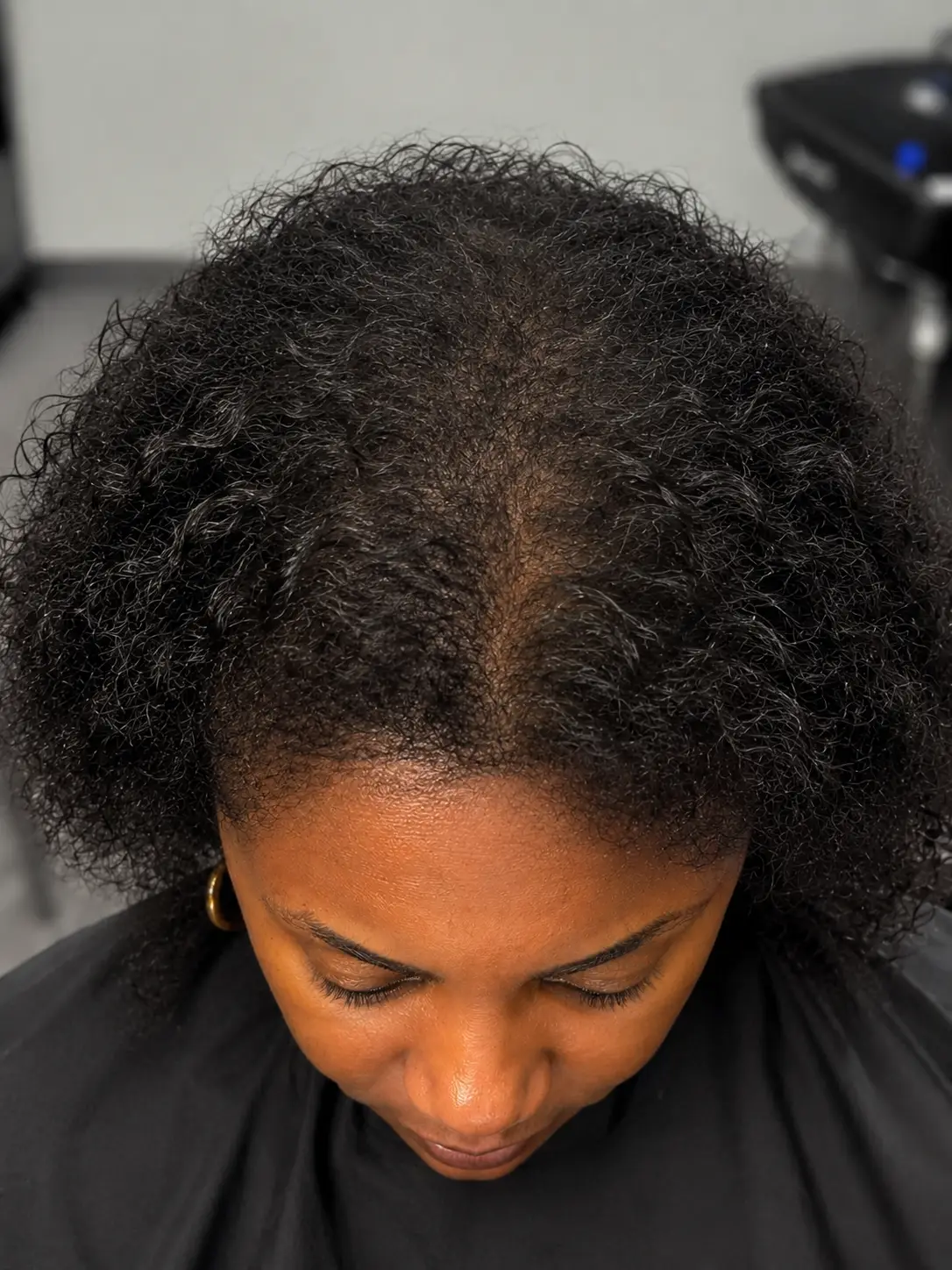
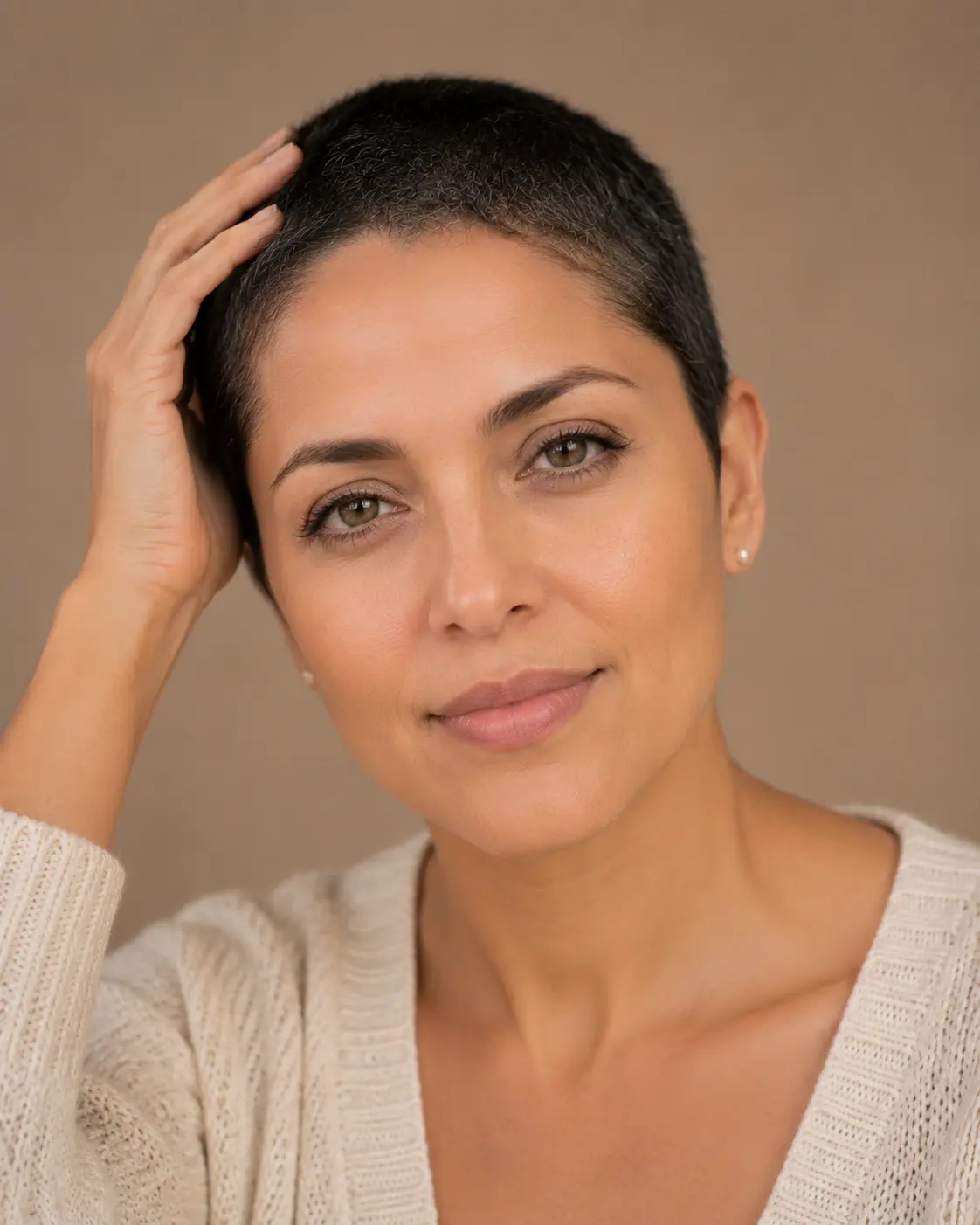
Post-chemotherapy hair regrowth support by certified trichologist at Atlanta Trichology in Sandy Springs
Fig. 01 · Anagen Effluvium

Anagen Effluvium: Trichologist-Led Support for Chemotherapy and Toxic Hair Loss

Rapid hair loss during active growth phase, often from chemo.

Book your post-treatment hair evaluation

Signs to Watch For

  • Sudden, dramatic shedding

  • Loss of body and facial hair as well

  • Thinning across the entire scalp

  • Onset within weeks of trigger

  • Slow but steady regrowth post-trigger

How We Treat Anagen Effluvium

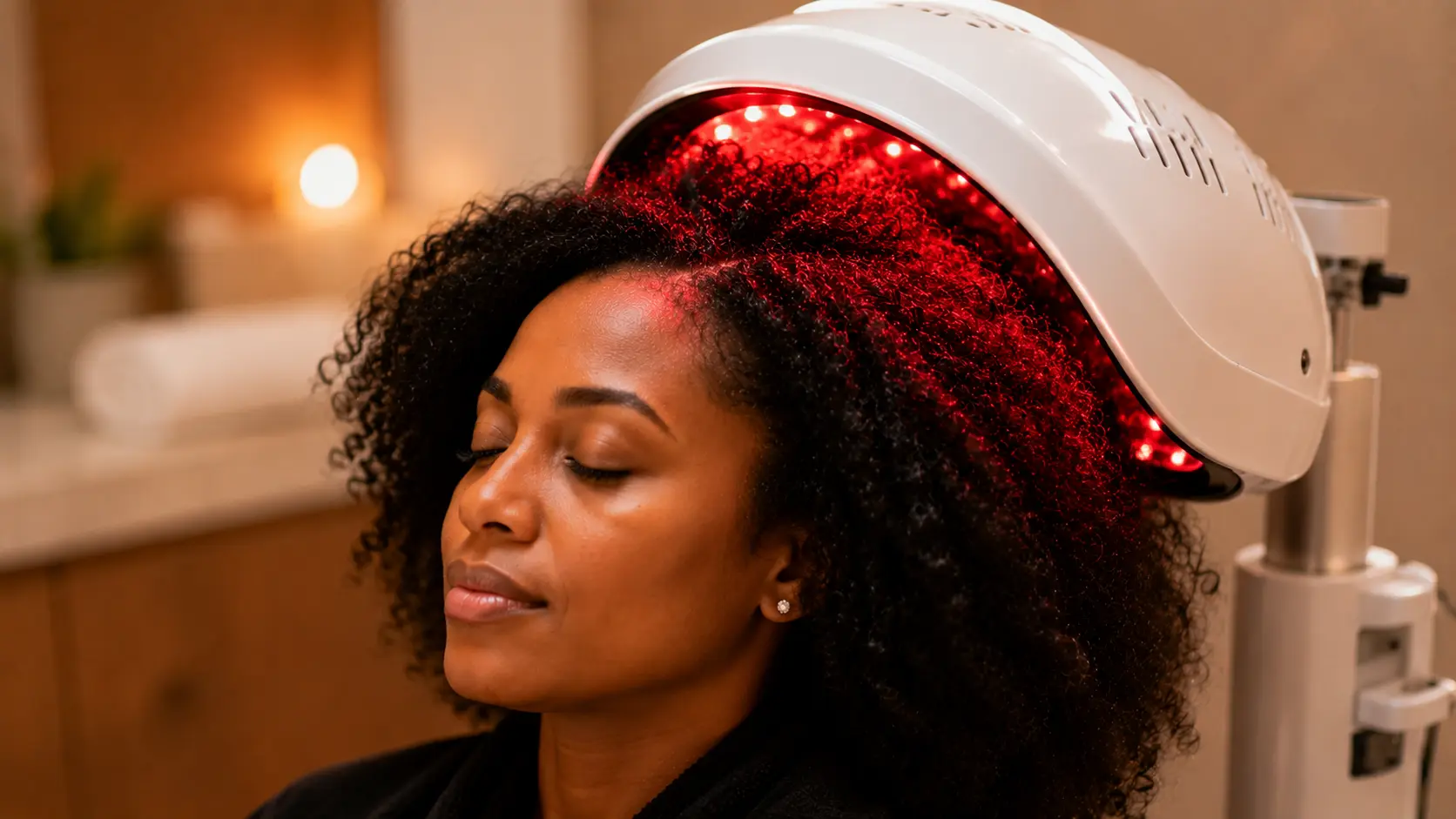
Cold-laser therapy, scalp nourishment treatments and a careful, gradual return to full styling.

Explore our treatment methods
What Is Anagen Effluvium?

Anagen effluvium is a rapid, diffuse hair loss that occurs when the hair growth cycle is abruptly interrupted during the anagen (active growth) phase. The most common cause is chemotherapy, which targets rapidly dividing cells throughout the body, including the matrix cells in hair follicles that produce the hair shaft. When these cells are damaged, the hair shaft breaks or falls out within days to weeks of exposure. Anagen effluvium can also result from radiation therapy, certain medications, heavy metal exposure, and severe autoimmune flares. Unlike telogen effluvium, which involves gradual shedding over months, anagen effluvium produces sudden, widespread hair loss that can affect up to 90% of scalp hair. The good news: because the follicular stem cells in the bulge region are usually preserved, hair regrowth after the causative agent is discontinued is expected in most cases.

At Atlanta Trichology, certified trichologists evaluate anagen effluvium with trichoscopy, a 200x magnification scan of the scalp and follicles. Trichoscopy reveals the condition of the follicular units during and after treatment: the degree of follicular damage, the presence of early regrowth (vellus hairs), the health of the scalp environment, and whether any secondary conditions (inflammation, infection, scarring) have developed that could impair recovery. For patients in the post-chemotherapy phase, trichoscopy provides measurable tracking of regrowth progress, hair shaft quality, and follicle density as recovery unfolds.

Dr. Nina Ross designed the anagen effluvium protocol at Atlanta Trichology with compassion at its center. This is a protocol for patients who have already been through an enormously difficult medical experience. While your certified trichologist works on scalp health, follicle stimulation, and regrowth optimization, Dr. Ross evaluates the internal factors that support hair recovery: nutrient status (ferritin, vitamin D, zinc, B vitamins), thyroid function, hormonal balance, and inflammatory markers. Chemotherapy and radiation can deplete the body's reserves. Restoring these nutrients gives recovering follicles the building blocks they need to produce strong, healthy hair.

How We Support Hair Recovery After Anagen Effluvium

Treatment for anagen effluvium focuses on optimizing the scalp environment for regrowth, stimulating follicle recovery, supporting hair shaft quality as new hair emerges, and addressing the nutritional depletion that chemotherapy and other causative agents create. Your certified trichologist selects from these approaches based on your trichoscopy findings and where you are in your recovery timeline:

Recovery from anagen effluvium is deeply personal. The $99 trichoscopy evaluation gives your trichologist a clear picture of where your follicles are in the recovery process, what your scalp needs, and which treatments will best support your regrowth journey. All treatment timing is coordinated with your oncologist or prescribing physician.

Does Anagen Effluvium Treatment Work?

Hair regrowth after anagen effluvium is expected in the vast majority of cases because the follicular stem cells are typically preserved even when the hair shaft is lost. Most patients begin seeing regrowth 3 to 6 months after their final chemotherapy cycle. The role of trichology treatment is to optimize the speed, quality, and density of that regrowth rather than to initiate a process that would not otherwise occur.

A 2020 study published in the Journal of Cosmetic Dermatology found that patients who received low-level laser therapy during the post-chemotherapy regrowth phase achieved measurably thicker hair shafts and faster transition from vellus to terminal hair compared to controls who received no scalp intervention. The laser therapy group reported higher satisfaction with hair quality at 6 months post-treatment.

Research in Supportive Care in Cancer demonstrated that nutritional optimization during and after chemotherapy significantly affected hair regrowth outcomes. Patients with adequate ferritin, vitamin D, and zinc levels at the start of regrowth produced thicker, stronger hair and experienced fewer texture changes (the curly, fine, or differently pigmented hair that commonly appears first after chemo). Correcting deficiencies before and during the regrowth window improved both the timeline and the quality of recovery.

A 2019 systematic review in the International Journal of Trichology found that PRP therapy accelerated hair regrowth in various forms of non-scarring alopecia, including cases of diffuse hair loss following medical treatment. The growth factors in PRP stimulated follicle cycling and improved hair shaft diameter in treated areas.

Trichoscopy monitoring during the regrowth phase provides objective data that visual assessment cannot match. A study in the Journal of the European Academy of Dermatology and Venereology confirmed that trichoscopy tracked follicle recovery with greater precision than clinical photography, detecting early regrowth activity weeks before new hairs were visible to the naked eye. This allows treatment adjustments based on actual follicle behavior rather than waiting for visible changes.

How Much Does Anagen Effluvium Treatment Cost?

Post-chemotherapy hair recovery treatment at Atlanta Trichology is priced per session within your personalized protocol. The cost depends on which treatments your trichologist recommends based on your trichoscopy findings and where you are in the recovery timeline.

Nationally, hair restoration treatments range from $200 to $1,500 per session depending on the modality. Many post-chemo patients find that a shorter, more focused treatment protocol produces meaningful results because the follicles are primed for recovery once the causative agent is removed. At Atlanta Trichology, the protocol is designed to maximize follicle support during the critical regrowth window without unnecessary treatments.

Most patients begin with biweekly sessions during the early regrowth phase and transition to monthly visits as hair density and quality improve. Package pricing is available for the treatment arc.

Start with the $99 trichoscopy evaluation. Your certified trichologist scans the scalp, assesses follicle recovery status, checks for any secondary conditions that could impair regrowth, and builds a treatment plan with transparent pricing. All treatment is coordinated with your oncologist.

Hair Recovery After Anagen Effluvium: What to Expect

  1. 01

    Initial Evaluation (Post-Treatment Clearance)

    Trichoscopy baseline documents the current state of your follicles: how many are showing early regrowth activity, the quality of emerging hairs, scalp health, and whether any secondary issues need attention. Dr. Ross orders bloodwork to assess nutrient levels, thyroid function, and hormonal status. Treatment begins when your oncologist confirms you are cleared for scalp therapies.

  2. 02

    Weeks 2-8 (Early Recovery)

    Scalp treatments begin with gentle, restorative modalities: photobiomodulation, scalp masks, and nutritional support. Fine vellus hairs typically begin emerging across the scalp. These initial hairs may differ in color and texture from your pre-treatment hair. Trichoscopy tracks follicle activation across all scalp zones.

  3. 03

    Weeks 8-20 (Active Regrowth)

    Vellus hairs transition to thicker terminal strands. More intensive treatments (PRP, microneedling) are introduced as the scalp and follicles strengthen. Hair coverage increases noticeably. Trichoscopy comparison scans show measurable gains in hair count and shaft diameter. Nutritional supplementation continues supporting follicle output.

  4. 04

    Months 5+ (Strengthening)

    Hair density and quality continue improving with each growth cycle. Monthly sessions maintain the supportive scalp environment and track ongoing progress. Hair texture and color often normalize over subsequent growth cycles. Dr. Ross adjusts the internal protocol as your body continues recovering.

Every recovery timeline is individual. Factors include the type and duration of chemotherapy, overall health status, nutritional reserves, age, and pre-existing hair conditions. Some patients see robust regrowth within 3 months; others take 6 to 12 months to reach meaningful density. Your trichologist provides a realistic timeline based on your specific trichoscopy findings and works closely with your medical team throughout the process.

Post-Chemo Hair Recovery: Trichology Protocol vs. Other Approaches

Atlanta Trichology Protocol
Scalp assessment
Trichoscopy (200x magnification) tracking follicle recovery at every visit
Follicle stimulation
Laser therapy, PRP, microneedling, mesotherapy (phased introduction)
Nutritional assessment
Comprehensive bloodwork: ferritin, vitamin D, zinc, B12, thyroid, hormones
Scalp health
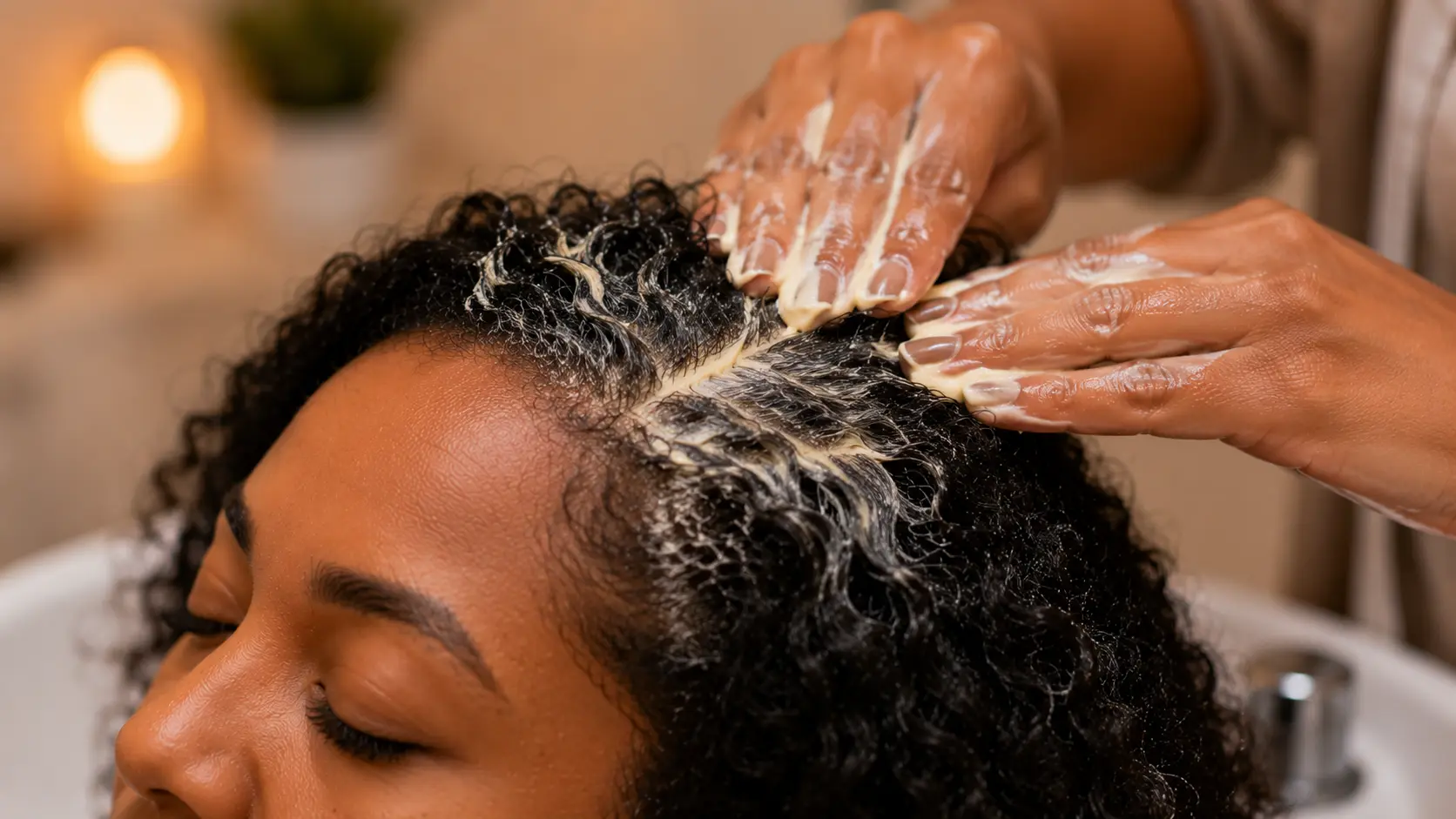
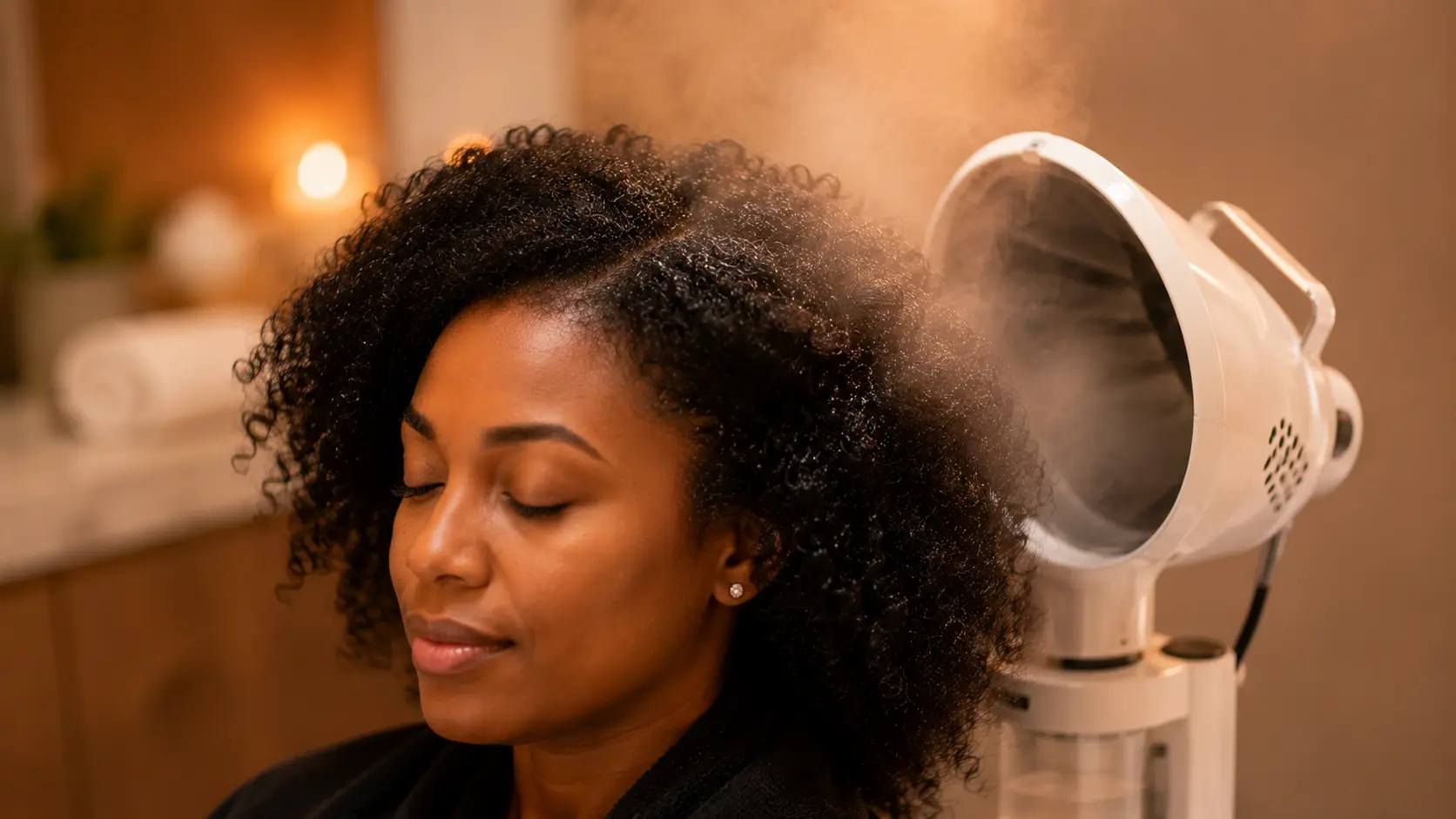
Clinical scalp masks, steam therapy, scalp environment restoration
Regrowth tracking
Trichoscopy comparison scans showing objective recovery data
Best for
Patients wanting to optimize regrowth speed, quality, and density during the recovery window
Oncology Follow-Up Only
Scalp assessment
General observation during follow-up appointments
Follicle stimulation
None (regrowth left to occur naturally)
Nutritional assessment
Standard post-chemo labs (not hair-specific)
Scalp health
Not addressed
Regrowth tracking
Visual observation at scheduled follow-ups
Best for
Patients comfortable waiting for natural regrowth without intervention
OTC Products
Scalp assessment
None (self-monitored)
Follicle stimulation
OTC minoxidil, biotin supplements
Nutritional assessment
Generic supplement recommendations
Scalp health
Specialty shampoos
Regrowth tracking
Self-assessment (photos, shedding monitoring)
Best for
Patients seeking low-cost at-home support

Swipe to compare · 3 options

Atlanta Trichology coordinates all treatment with your oncologist or prescribing physician. No scalp treatment begins until your medical team confirms you are cleared. The trichology protocol complements your cancer care team's guidance and focuses specifically on the scalp and follicle recovery that oncology follow-up does not typically address.

Frequently Asked Questions About Anagen Effluvium

What is anagen effluvium?

Anagen effluvium is a type of hair loss that occurs when the active growth phase of the hair cycle is abruptly disrupted. The hair shaft breaks or detaches from the follicle within days to weeks of the disruption. The most common cause is chemotherapy, which damages the rapidly dividing matrix cells in the hair follicle. Other causes include radiation therapy to the head, certain medications, heavy metal poisoning, and severe autoimmune conditions. Anagen effluvium differs from telogen effluvium in its speed and severity: it produces sudden, widespread loss rather than gradual shedding.

Does hair grow back after chemotherapy?

Yes. In the vast majority of cases, hair regrows after chemotherapy because the follicular stem cells in the bulge region of the follicle survive treatment. Regrowth typically begins 3 to 6 months after the final chemotherapy cycle. Initial regrowth often appears as fine, soft hair that may differ in color or texture from pre-treatment hair. Over subsequent growth cycles, hair usually returns to something close to its original characteristics, though some patients experience lasting texture or color changes. At Atlanta Trichology, trichoscopy tracks the regrowth process and treatment supports faster, stronger recovery.

What is the difference between anagen effluvium and telogen effluvium?

Anagen effluvium interrupts the active growth phase, causing rapid, widespread hair loss within days to weeks. The hair shaft breaks at or near the scalp surface. Telogen effluvium pushes a large number of follicles into the resting (telogen) phase prematurely, causing increased shedding 2 to 4 months after the triggering event. Anagen effluvium is typically more sudden and severe, often causing loss of 80 to 90% of scalp hair. Telogen effluvium usually causes diffuse thinning of 30 to 50% of hair volume. The causes differ too: anagen effluvium is most often caused by chemotherapy or toxic exposure, while telogen effluvium is triggered by stress, illness, surgery, hormonal shifts, or nutritional deficiency.

How long does hair regrowth take after chemo?

Most patients notice the first signs of regrowth (soft, fine fuzz across the scalp) within 2 to 4 weeks of completing chemotherapy. By 3 months, short hair is usually visible. By 6 months, many patients have enough growth to feel comfortable without head coverings. Full recovery to pre-treatment density and length typically takes 12 to 18 months. These timelines vary depending on the type and duration of chemotherapy, individual health factors, and nutritional status. Trichology treatment during the regrowth window can accelerate the timeline and improve the quality of emerging hair.

Why does post-chemo hair grow back differently?

Many patients notice that their initial post-chemotherapy regrowth is curlier, finer, or a different color than their pre-treatment hair. This occurs because the follicle matrix cells are rebuilding after damage, and the initial hair shafts may be produced from a follicle that has not yet fully recovered its original programming. The altered texture or color is typically temporary. Over 2 to 4 subsequent growth cycles (12 to 24 months), hair often returns to something close to its original characteristics as the follicle fully regenerates. Nutritional support and scalp treatments can help normalize hair quality faster.

When can I start scalp treatments after chemo?

The timing of scalp treatments depends on your oncologist's guidance and your individual treatment plan. At Atlanta Trichology, no scalp treatment begins until your medical team confirms you are cleared. For most patients, gentle treatments like photobiomodulation can begin relatively early in the post-treatment phase. More intensive treatments like PRP and microneedling are introduced later as the scalp heals and follicles show active recovery on trichoscopy. A trichoscopy evaluation can be performed at any point to assess follicle status and plan the treatment timeline in coordination with your oncologist.

Can anything prevent chemotherapy hair loss?

Scalp cooling (cold cap therapy) during chemotherapy infusions can reduce hair loss in some patients by constricting blood vessels in the scalp and reducing the amount of chemotherapy drug that reaches the follicles. Results vary significantly by chemotherapy regimen, and scalp cooling is not suitable for all patients or all cancer types. At Atlanta Trichology, the focus is on supporting recovery after treatment rather than prevention during treatment. If you are currently undergoing chemotherapy, discuss scalp cooling with your oncologist to determine if it is appropriate for your situation.

What nutrients support hair regrowth after chemo?

Several nutrients are critical for follicle recovery after chemotherapy. Ferritin (stored iron) is essential for hair matrix cell division; levels below 40 ng/mL are associated with impaired regrowth. Vitamin D supports follicle cycling and immune regulation. Zinc is required for hair shaft protein synthesis. B vitamins (especially B12, biotin, and folate) support cellular energy production in the follicle. Protein intake provides the amino acids that form keratin, the structural protein of hair. Dr. Nina Ross tests for specific deficiencies through bloodwork because supplementation needs vary dramatically between individuals. The goal is precise correction based on your lab values, not generic recommendations.

BEGIN

Your hair is telling you something. Let's find out what.

A 30-minute evaluation. A certified trichologist. A 200x trichoscopy scan of your scalp. And real answers before you leave the building. Your next step is $99 and one appointment away.